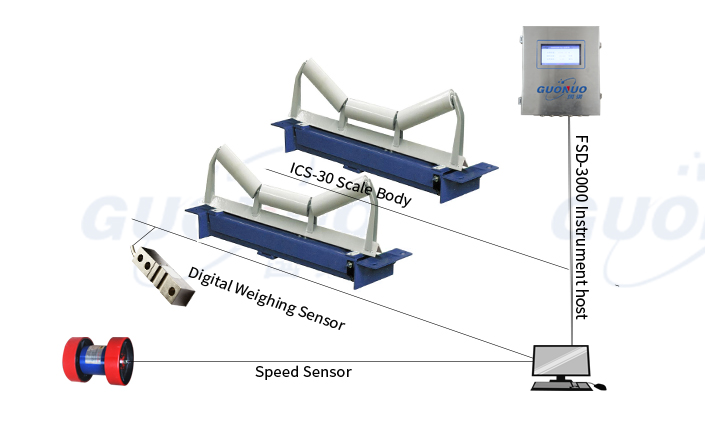
In the modern industrial production system, "precision" is the core requirement for ensuring product quality, controlling production costs, and improving production efficiency. From the raw material blending of building materials and cement to the raw material blending of coal chemical industry, from the raw material feeding of chemical production to the mixing of multiple coal types in coal washing plants, the proportioning and transportation of bulk materials are always the key links affecting production stability.
As an automated equipment that integrates conveying, metering, and regulation, the speed controlled quantitative feeder is comprehensively solving various pain points and problems in traditional production modes from front-end batching to back-end supervision.
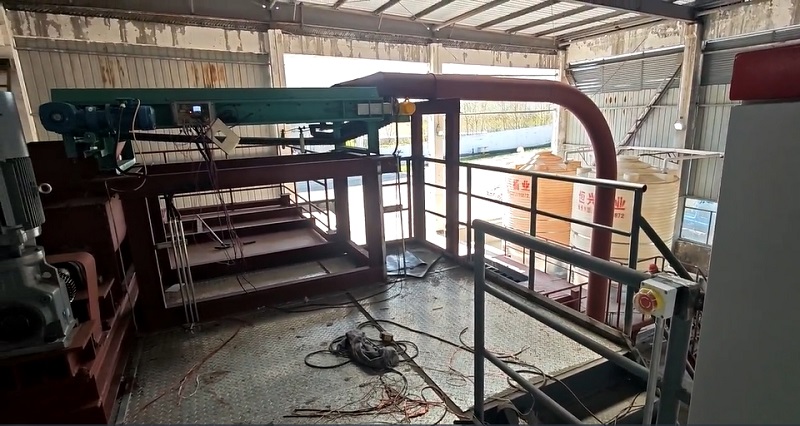
The most prominent problem with the traditional manual batching mode is the poor accuracy of the proportioning, which leads to significant fluctuations in product quality. In cement production, a deviation of more than 1% in the proportion of limestone, clay, and iron powder may lead to substandard cement strength and abnormal setting time; In coal chemical blending, if the calorific value deviation exceeds the specified value, it will affect gasification efficiency and increase downstream processing costs.
The speed controlled quantitative feeder, through the combination of high-precision weighing sensors and variable frequency speed control systems, can stably control the feeding deviation within the range of ± 0.05%~± 1.0%. The feeding speed is adjusted in real-time through dynamic closed-loop adjustment, and the actual feeding amount always fluctuates slightly around the set value, completely solving the problem of unstable accuracy in manual batching and fundamentally improving the stability of product quality.
In addition to the issue of proportioning accuracy, traditional production modes also commonly suffer from pain points such as material waste and high costs. When some high priced raw materials are manually added in chemical production, either excessive addition increases costs or insufficient addition affects reaction efficiency;
During the coal blending process in the coal washing plant, excessive use of high-value clean coal is often made to meet standards, resulting in unnecessary cost waste.
The precise measurement and control of the speed controlled quantitative feeder can increase the utilization rate of raw materials by 5% to 10%. After a coal chemical enterprise adopted the speed controlled quantitative feeder for coal blending, the utilization rate of clean coal increased by 2.3%, and the annual waste was significantly reduced. At the same time, the equipment adopts vector frequency conversion speed regulation technology, which can automatically adjust the motor power according to the material flow rate. Compared with traditional fixed speed conveying equipment, the energy-saving rate can reach 20%~30%, further reducing production energy consumption costs.
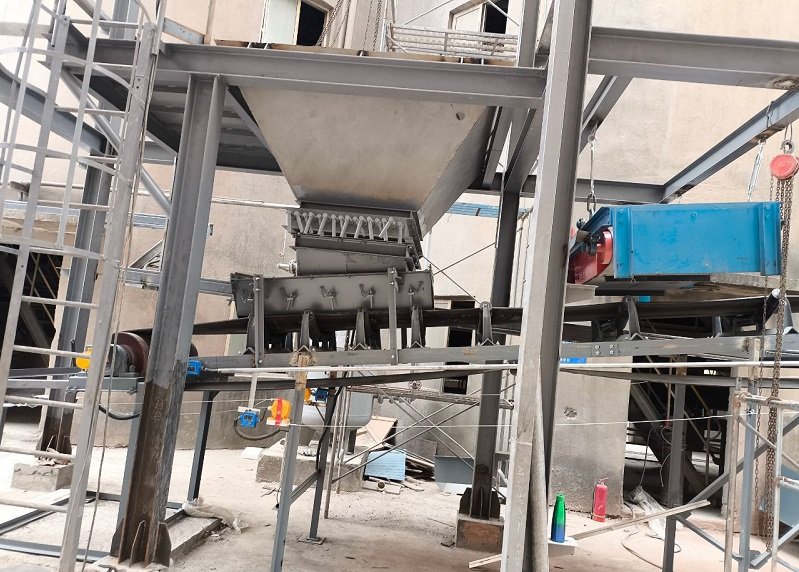
The unstable operation and frequent malfunctions of equipment under harsh working conditions are another major pain point of traditional feeding equipment. Building materials factories are prone to dust, coal washing plants have high humidity, and the metallurgical industry experiences high vibration.
Ordinary feeding equipment is prone to problems such as material sticking, sensor failure, and belt deviation, which not only affect continuous production but also increase maintenance workload.
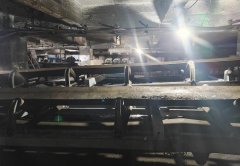
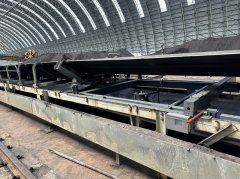
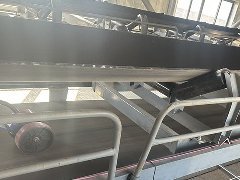
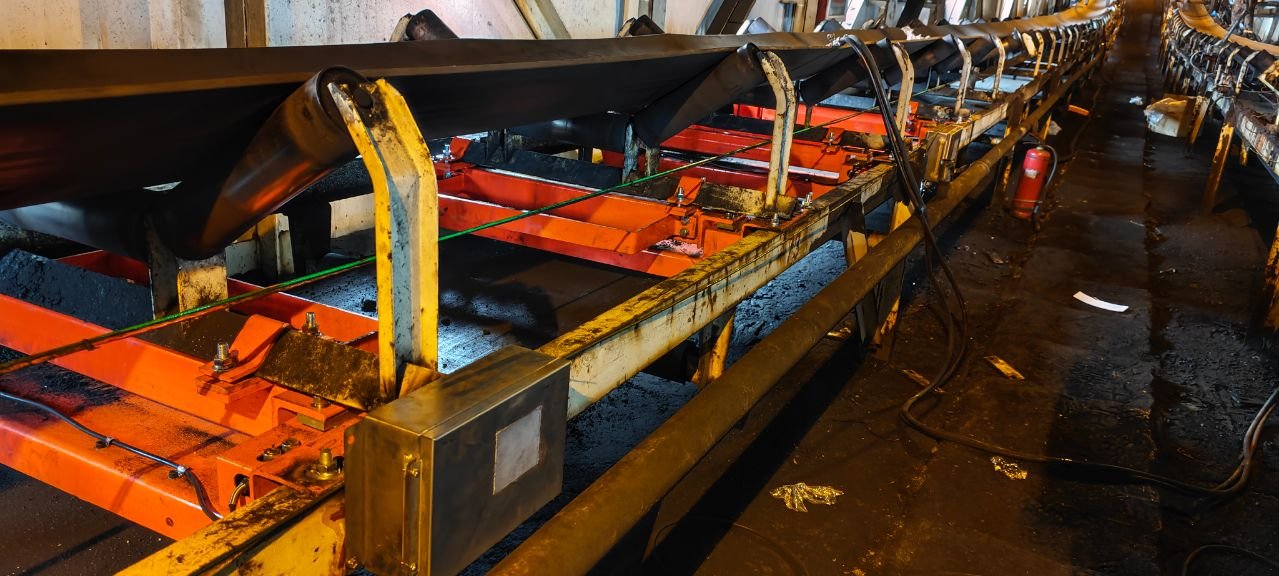
Modern speed regulating quantitative feeders have been specially optimized for harsh working conditions in different industries: high-strength wear-resistant liners and conveyor belts are used for high abrasive materials, anti sticking coatings are optimized for conveyor belts and automatic cleaning devices are added to address sticking issues, and core weighing components are sealed and protected for high dust environments. The structural design has improved the environmental adaptability of the equipment, significantly reduced the failure shutdown rate, and ensured continuous and stable production.
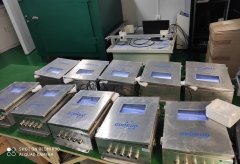
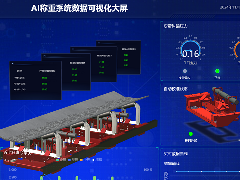
At the level of production supervision, the speed controlled quantitative feeder has also solved the problems of traditional production data loss and regulatory lag. The equipment can be connected to enterprise DCS and MES systems through interfaces such as RS485, and real-time data such as feed quantity and equipment operation status can be uploaded. Management personnel can remotely view real-time flow and historical production data, providing accurate data support for production plan adjustment and cost accounting; Some high-end devices are also equipped with intelligent diagnostic functions, which can monitor the operation and ingredient status of the equipment in real time, and alert in advance for abnormal situations, realizing the transformation from passive repair to predictive maintenance, and improving the intelligence level of production supervision.
From precise material proportioning, to stable feeding under harsh working conditions, to traceable production supervision throughout the entire process, and even practical energy conservation and consumption reduction - the speed controlled quantitative feeder is no longer a simple conveying equipment, but an indispensable execution and perception node in the digital transformation of factories.