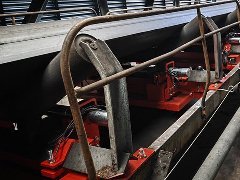
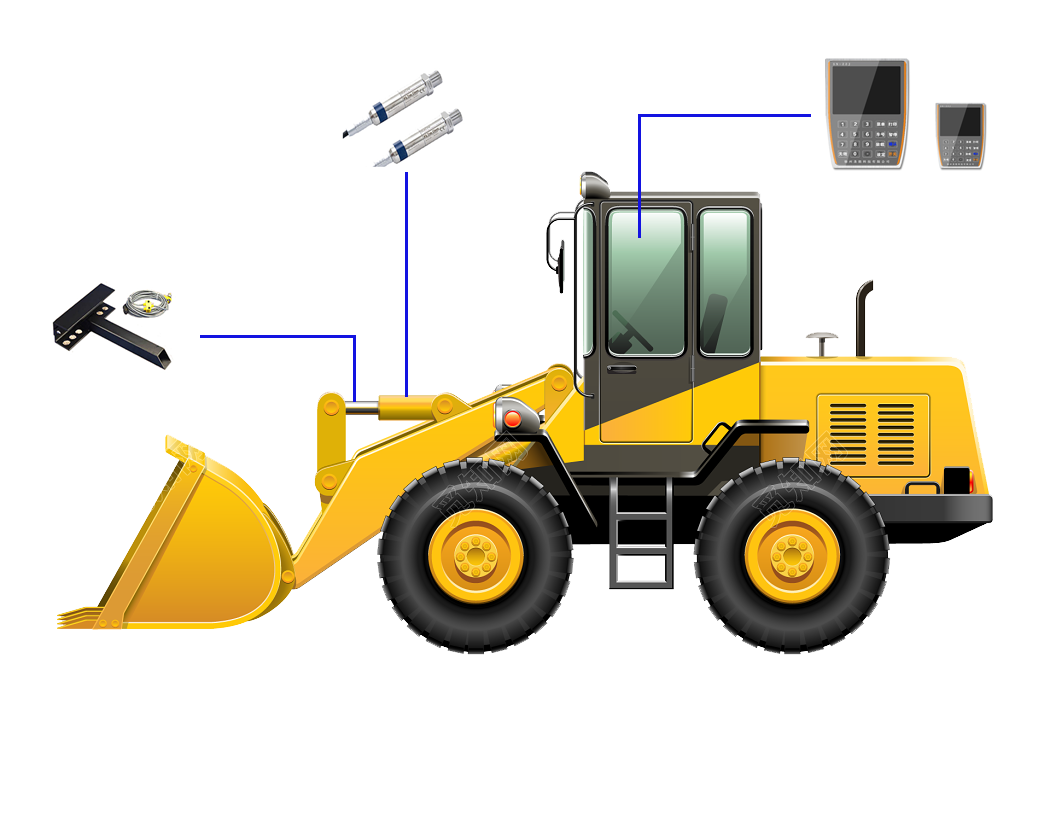
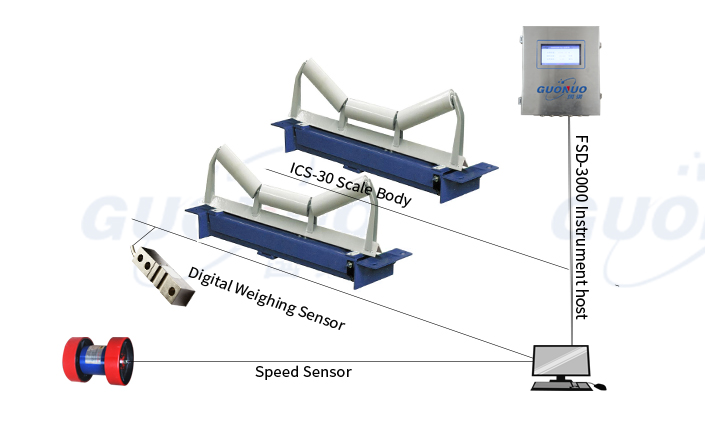
In industries such as building materials, chemicals, and coal that rely on continuous batching of bulk materials, the availability of quantitative weighing feeders directly determines the operational efficiency of the entire production line, while durability is directly related to the full lifecycle cost of the equipment. Once the equipment frequently malfunctions and shuts down, it not only interrupts the production rhythm, but also increases maintenance costs and lowers the overall economic benefits of the enterprise. Only by implementing optimization measures throughout the entire process from selection and design to daily operation and maintenance can we effectively improve the availability and durability of equipment, and safeguard stable production.
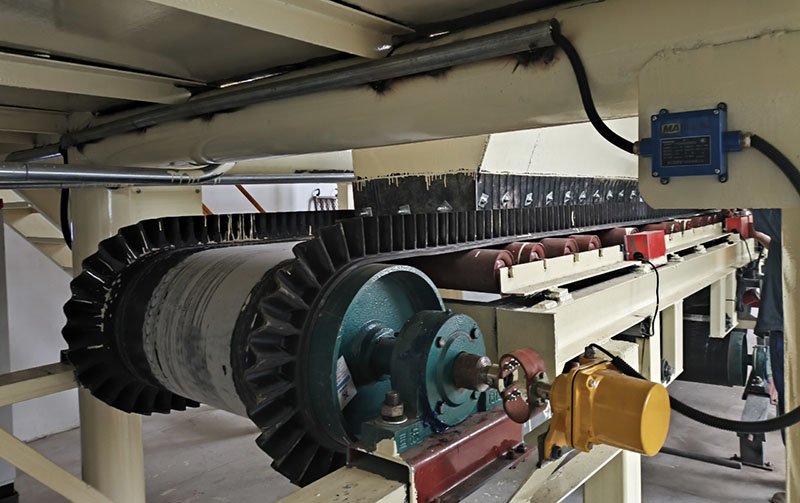
From the source, targeted selection and customized design are the core prerequisites for improving the basic performance of equipment. The working conditions vary greatly in different industries, and a one size fits all universal equipment is difficult to meet durability requirements:
● For high abrasive limestone and ore materials, thick wear-resistant lining plates and high wear-resistant conveyor belts should be selected to avoid rapid component wear caused by long-term material erosion;
● For wet clay and coal slurry with high viscosity, it is necessary to equip them with anti sticking conveyor belts and efficient automatic cleaning devices to avoid the accumulation of sticky materials causing belt deviation and weighing deviation;
● For high dust and high corrosion chemical working conditions, it is necessary to perform sealing and anti-corrosion treatment on the core weighing sensors and transmission components to enhance environmental adaptability.
● Guonuo Technology has added a low-temperature antifreeze protection design for the feeder of the northern open-pit coal mine project, which avoids the transmission components from becoming stiff due to low temperatures in winter. From the design level, the durability hazards caused by working conditions have been eliminated in advance, reducing the probability of subsequent failures from the source.
Regular maintenance and predictive replacement of core components are key to improving availability. The core components of the quantitative weighing feeder include weighing sensors, transmission bearings, belts, and speed regulating motors, and the aging of these components is the main cause of failure and shutdown. Many companies are accustomed to "repairing when it breaks down", which can actually lead to small problems turning into major failures, increasing maintenance costs and causing long-term downtime. The scientific approach is to establish a predictive maintenance system:
● Develop replacement cycles for core components based on equipment operating hours and production loads, such as timely replacement of conveyor belts based on wear, lubrication of bearings every six months, and replacement every 2-3 years;
● Clean and inspect the weighing sensor weekly to avoid dust accumulation affecting measurement accuracy, and calibrate and adjust the levelness of the weighing frame and belt tension quarterly;
● Relying on the intelligent monitoring function of modern equipment, real-time temperature and vibration data of core components can be collected, abnormal situations can be alerted in advance, faults can be eliminated in the bud stage, significantly reducing the probability of unplanned downtime and improving the overall availability of the equipment.
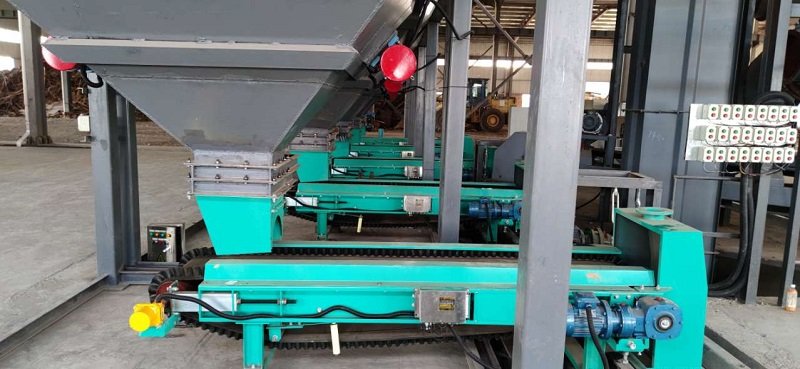
Standardizing the daily usage habits of operators is the fundamental guarantee for extending the durability of equipment. The premature damage of many devices is directly related to improper operation, such as:
● Long term over range feeding not only leads to inaccurate feeding, but also causes long-term deformation of the scale frame and overload damage to the sensor;
● Failure to clean the residual materials on the belt during each shutdown can lead to aging of the belt load and corrosion of the weighing frame due to long-term accumulation;
● When starting the device directly at full speed, it will cause impact on the transmission components and shorten the service life.
Therefore, enterprises need to establish sound operating standards, requiring operators to strictly feed according to the rated load, clean up residual materials in a timely manner after shutdown, gradually increase speed during startup, avoid sudden heavy load impact, and keep daily operation records. If small problems such as measurement deviation and belt deviation are found, they should be reported for repair in a timely manner to avoid small problems from turning into major failures. Proper usage habits can extend the lifespan of devices by 20% -30% and significantly improve their usability.
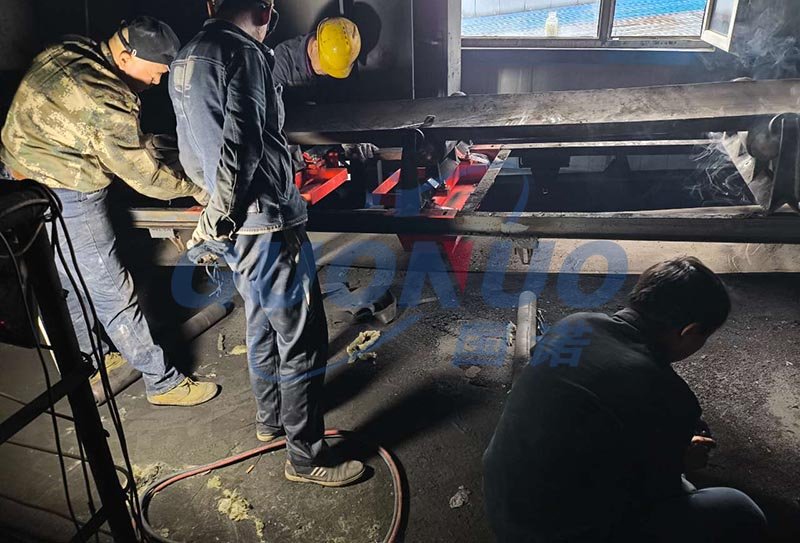
Finally, regular precision calibration and structural inspection can continuously maintain the stability of equipment performance. After long-term operation, the quantitative weighing feeder is prone to problems such as loose scale frame bolts, belt wear and weight loss, and sensor zero drift, which not only affect the measurement accuracy but also accelerate component aging.
Enterprises should conduct zero point calibration once a month, range calibration once a quarter, and a comprehensive inspection of the scale frame structure once a year. Loose bolts should be tightened and deformed structures should be corrected to ensure that the equipment always operates in the best condition. This not only guarantees measurement accuracy but also avoids abnormal wear of components caused by structural deformation, effectively improving overall durability.
In summary, improving the availability and durability of quantitative weighing feeders is not the optimization of a single link, but the result of the entire process management from design selection, maintenance to operation standards. Only by implementing optimization measures throughout the entire process can the downtime rate be minimized, the service life of equipment be extended, and the application value of equipment be fully realized.