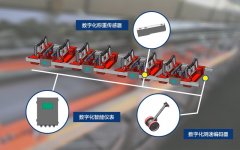
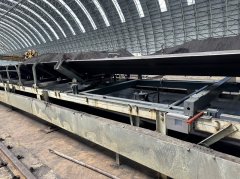
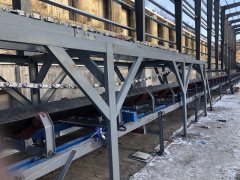
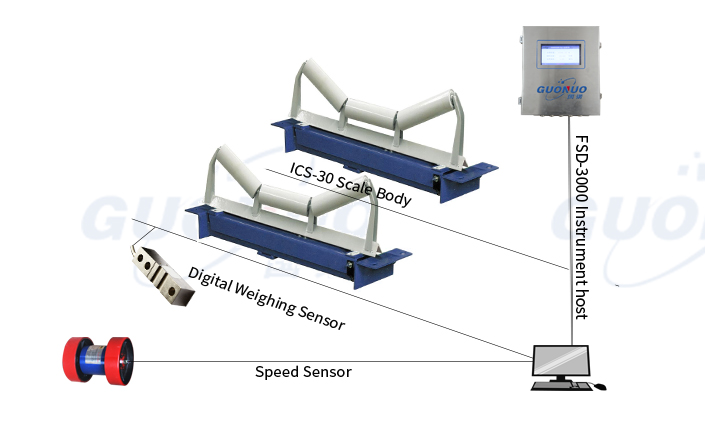
The electronic belt scale is a measuring instrument composed of a steel mechanical scale frame, weighing sensors, speed sensors, and control display instruments. It can continuously and dynamically measure the loose materials passing through the belt conveyor and is used in the measurement of raw coal in thermal power plants. It can provide accurate weight data for users and facilitate the calculation of input-output in thermal power plants.
However, in practical applications, the measurement of electronic belt scales is affected by factors such as vibration of the belt conveyor, changes in belt tension, changes in material flow rate, humidity and temperature, as well as the installation of the belt scale, which leads to measurement errors, difficulty in maintaining accuracy for a long time, and frequent maintenance, affecting the use of thermal power plants.
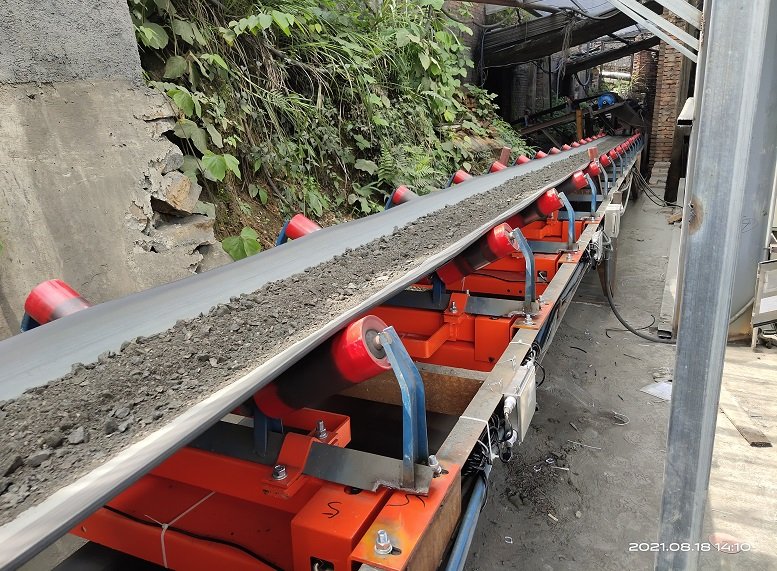
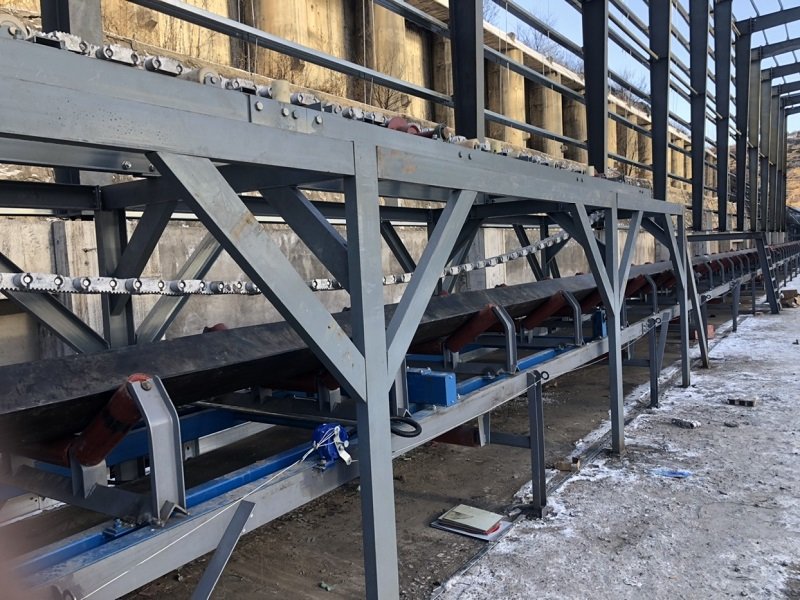
The matrix high-precision belt scale has changed the structure of traditional electronic belt scales, adopting a new design concept. A single group of weighing rollers is equipped with multiple weighing sensors as a single point suspended weighing unit, and N multiple weighing units are continuously installed to form a matrix measuring platform.
In this matrix based measurement platform, the belt tension cancels each other out internally, greatly reducing the impact of belt tension changes on the measurement of the belt scale. Moreover, each weighing unit works independently, and the inability of one weighing unit to work does not affect the work of other weighing units, thus greatly improving the accuracy and stability of measurement.
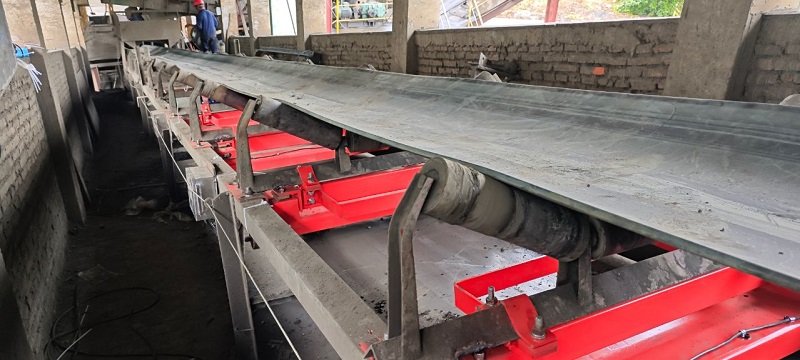
In the application of raw coal measurement in thermal power plants, matrix high-precision belt scales have advantages that traditional belt scales do not have:
(1) High precision. According to practical application testing, under ideal conditions, the matrix high-precision belt scale is minimally affected by factors such as belt tension changes, flow rate changes, horizontal forces, and roller adhesion, achieving higher accuracy, even up to 0.2%.
(2) Better stability. The belt scale is less affected by various factors, and coupled with intelligent instruments and high-precision anti-interference digital weighing sensors, it can maintain the measurement accuracy during installation and commissioning for a long time.
(3) The maintenance workload is small. During the measurement process of raw coal in thermal power plants, there may be coal stuck on the scale frame or coal sticking to the rollers. The matrix high-precision belt scale has a scale frame without a lever crossbeam, a simple structure, and no need to worry about coal stuck. Moreover, the roller sticking material does not have a significant impact on the measurement. Daily maintenance mainly involves removing dust from the weighing unit and checking the rotation of the rollers.
(4) High expansion flexibility. The more weighing units continuously installed in the matrix high-precision belt scale, the higher its accuracy and stability. If higher accuracy is required in the measurement process of raw coal in thermal power plants, the weighing units can be expanded on the basis of the original installation without the need for overall replacement. This combination of units is relatively simple during initial installation.
Based on the characteristics mentioned above, the matrix high-precision belt scale can provide accurate and reliable measurement data for raw coal measurement in thermal power plants, so that thermal power plants can accurately calculate the input and output of coal into the furnace, adjust production plans more scientifically and reasonably, and strengthen production management. In addition, the matrix high-precision belt scale is equipped with intelligent instruments that can share raw coal data in real time. The upper computer system of the belt scale is configured, and leaders can remotely manage it.