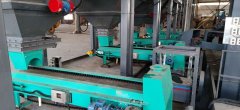
Spiral quantitative feeder is a production measuring equipment that continuously transports, dynamically measures, and controls the feeding of various bulk materials. Due to its fully sealed structural form, it can avoid problems such as material spillage, on-site dust and pollution, and has the characteristics of simple structure, reliable operation, and high cost-effectiveness. It is widely used in industries such as building materials, cement, chemical industry, metallurgy, etc.
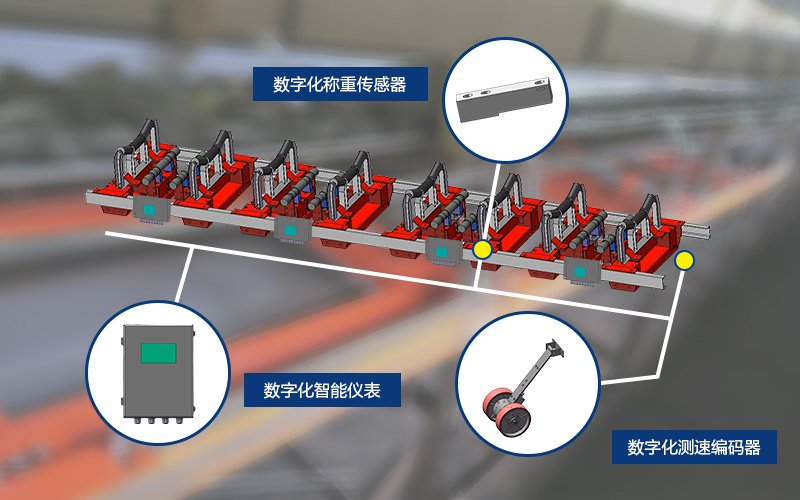
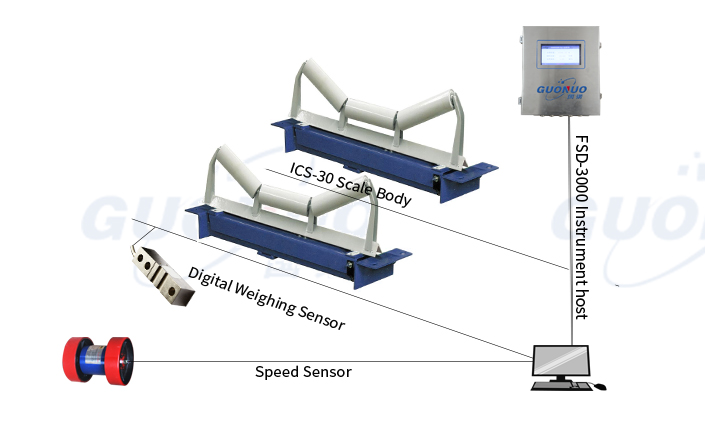
The implementation of the quantitative function of the spiral quantitative feeder first calculates the feeding weight through the signals returned by weighing and speed sensors, and then controls the frequency of the variable frequency motor through the actuator to adjust the spiral speed, ultimately achieving the purpose of dynamic measurement and quantitative feeding. In the actual production application process, the function of the spiral quantitative feeder plays a role and realizes its value.
Firstly, it is necessary to start from the actual working conditions and ensure that it can adapt to the on-site environment and meet the on-site needs. Therefore, when selecting a spiral quantitative feeder, it is necessary to consider the actual production conditions comprehensively.
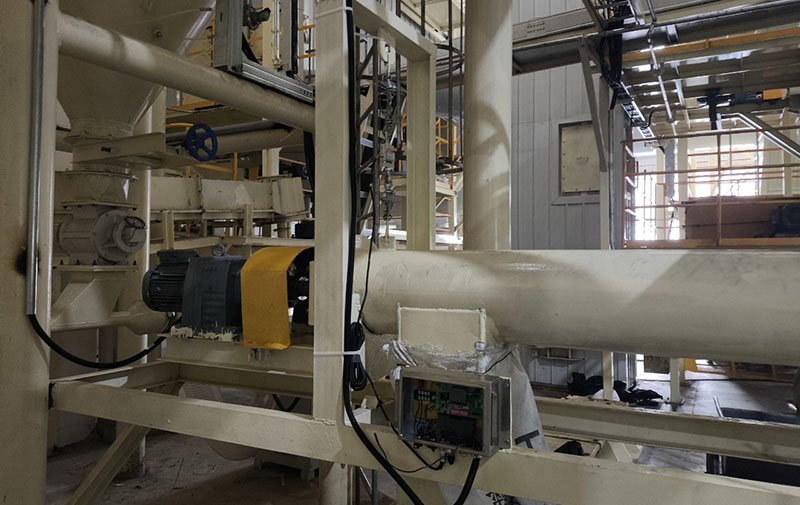
(1) Select the specifications of the spiral quantitative feeder based on actual production capacity, material flow rate, and material characteristics.
The diameter of the spiral blade and the size of the inlet and outlet of the spiral quantitative feeder represent its specifications. The diameter of the spiral blade is determined according to the actual maximum volumetric flow rate.
The length of the inlet and outlet should ensure that there is no material running out, no blockage or jamming, and sufficient instantaneous measurement load. Whether it is too long or too short, it will affect the measurement of the feeder.
For materials with good fluidity, when the length of the spiral inlet and outlet is small, the spiral tube can be longer; On the contrary, the spiral tube can be segmented. If the on-site process layout requires the extension of the spiral tube, consider extending the feeding spiral first; On the contrary, if a reduction in size is required, consideration should be given to shortening the size of the weighing screw first.
The larger the production capacity and the larger the conveying capacity, the larger the spiral tube directly, but at the same time, the material characteristics must be comprehensively considered.
(2) Select spiral structure based on material characteristics.
Select the structure and size of the spiral quantitative feeder based on the characteristics of material flow, viscosity, and the length of the spiral tube.
Spiral blades are divided into structural types such as pitch, variable pitch, variable blade diameter, variable shaft diameter, and double spiral blades. Specific spiral blades should be selected according to the specific material characteristics.
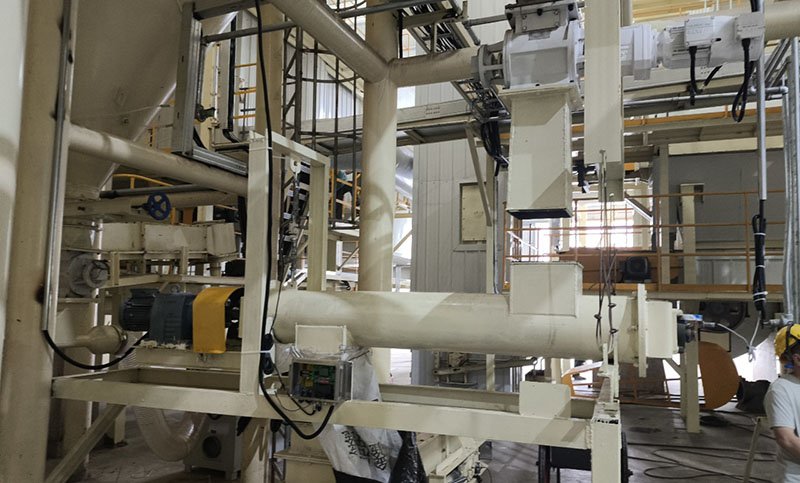
(3) Choose high-precision and high-sensitivity weighing sensors.
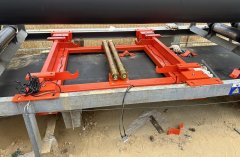
The dynamic weighing of the spiral quantitative feeder is affected by material balance, working conditions, and other factors. To ensure measurement accuracy, stable, reliable, adaptable, and accurate weighing sensors should be selected. Digital cantilever beam sensors can be chosen, which have strong anti-interference ability, linear compensation, temperature compensation, and other functions to fully guarantee detection accuracy.
(4) The spiral quantitative feeder should have good flow stabilization ability to ensure balanced and stable passage of materials. In order to maintain long-term accuracy, it is best for the spiral quantitative feeder to have online self-monitoring and self diagnostic functions, as well as convenient calibration functions, to facilitate regular calibration and maintain a stable accuracy state of the feeder for a long time.
(5) Choose a spiral structure based on the installation space. The spiral quantitative feeder has dual tube and single tube structures. The upper layer of the dual tube is used for stabilizing flow and conveying, while the lower layer is used for conveying and metering. Its stability and accuracy are better than those of the single tube, but the single tube structure is exquisite and has lower layout requirements. The specific selection can be based on the site space and needs.
Although the system of the spiral quantitative feeder is not very complex, the manufacturing and design level of each manufacturer varies, resulting in different characteristics such as precision and durability. When choosing a spiral quantitative feeder, attention should be paid to selecting products with technical strength and lean production and manufacturing.
When selecting, it is necessary to inform the feeder manufacturer in detail of the relevant requirements and actual working conditions, and the manufacturer will provide a reasonable solution. In addition, after-sales service is also an important consideration. The installation and commissioning of the spiral quantitative feeder are directly related to the stability of subsequent use, and the ability to quickly solve problems that arise during use affects production.