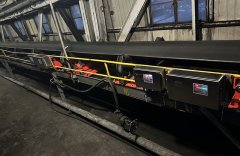
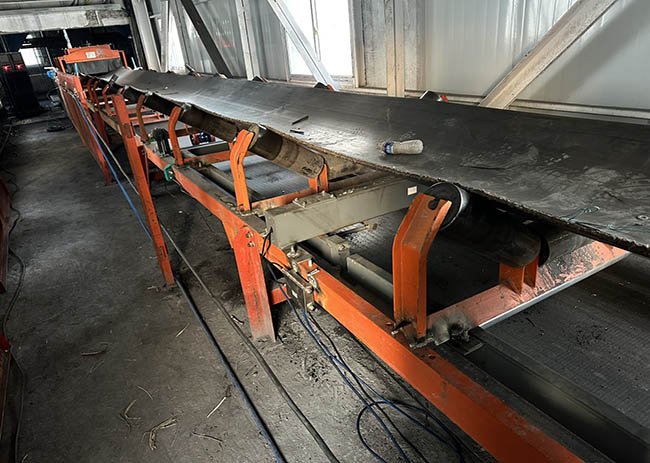
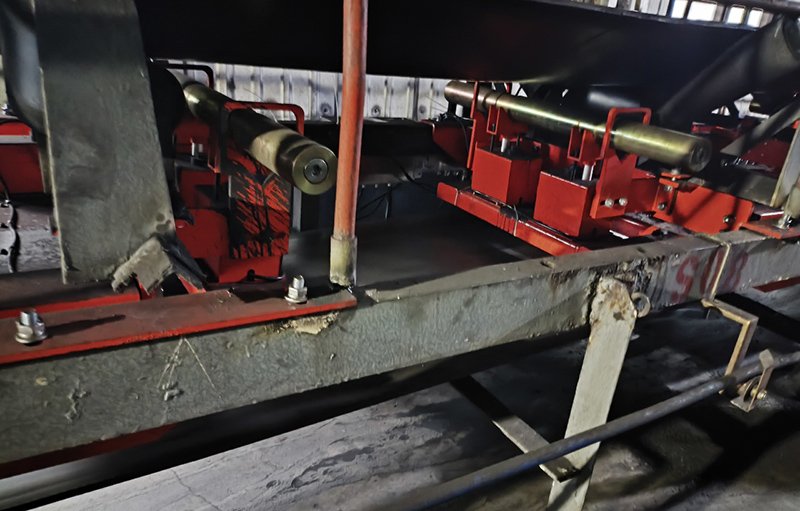
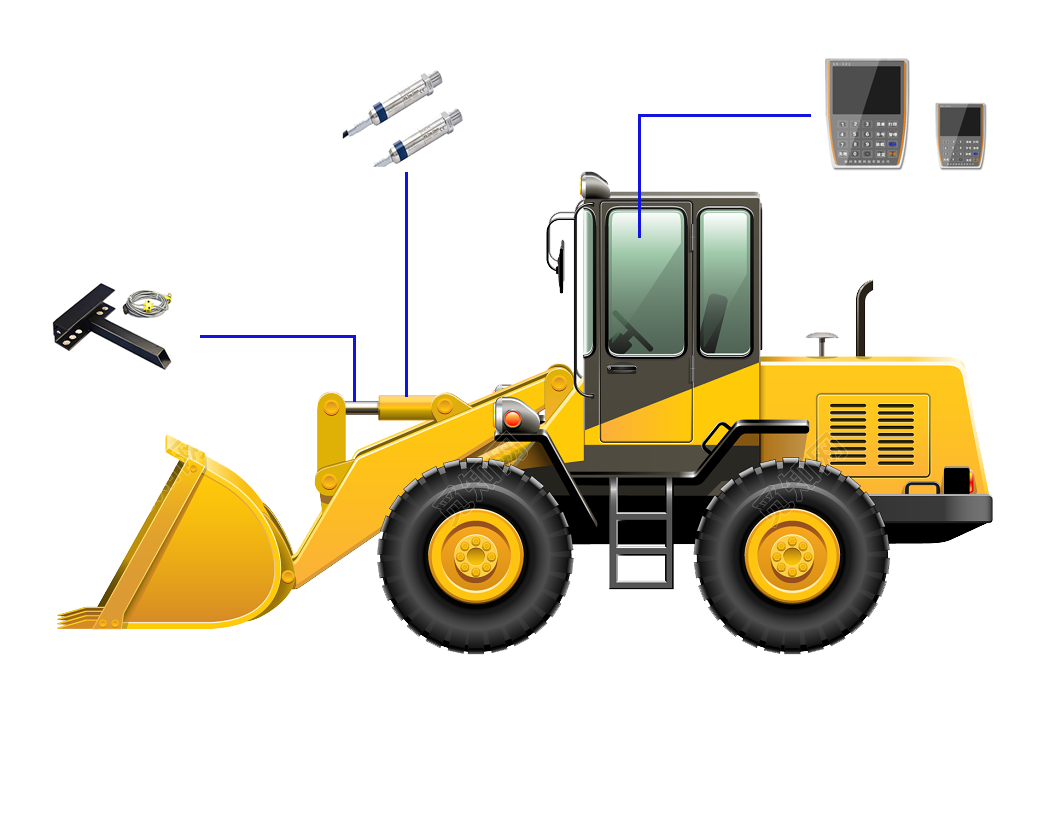
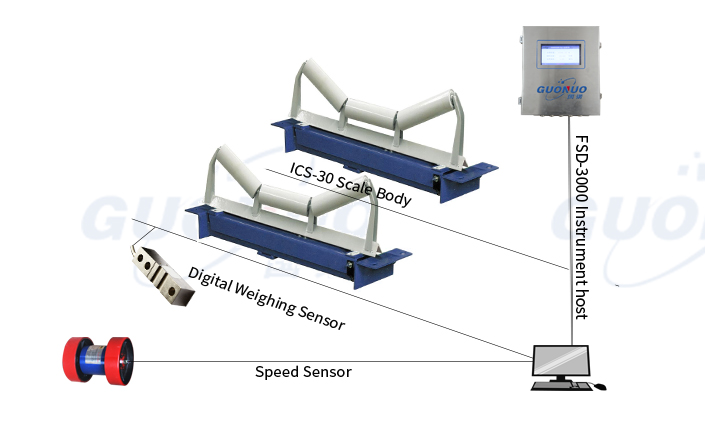
Electronic belt scale is a dynamic measuring instrument commonly used in industrial environments, and it has the characteristic of high sensitivity. Its accuracy may become insufficient or unstable due to environmental factors. Therefore, after using the belt scale for a period of time, in order to ensure its measurement accuracy and meet application requirements, it is necessary to calibrate it.
Belt scale chain code is a simulated belt load standard that simulates the pressure of material flow on the belt, slides along with the belt, covers the weighing area of the belt scale, records the length of one circle of the belt and the number of circles it runs as the reference value of the chain code, compares the accumulated amount of the belt scale instrument as the reference value, determines the actual error of the belt scale, and adjusts the accuracy through the processor of the belt scale to complete the accuracy verification of the belt scale.
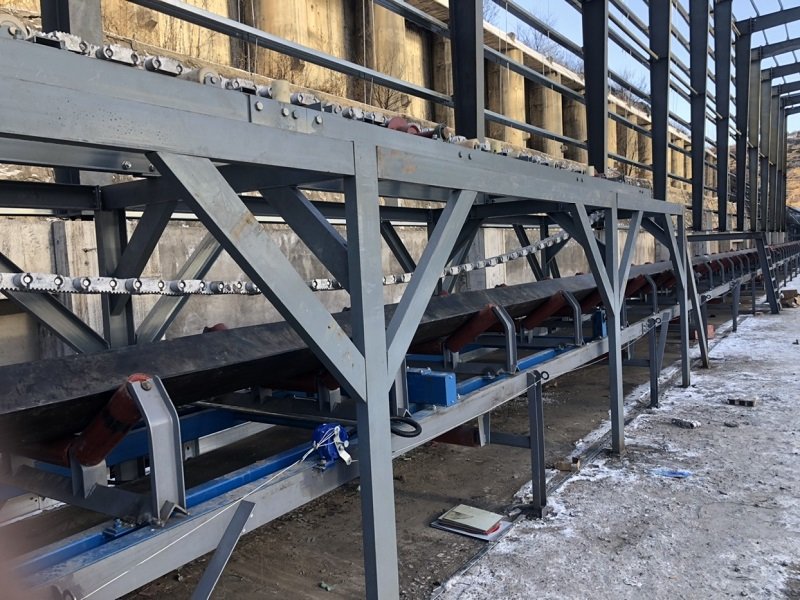
What are the factors that affect the accuracy of belt scale chain code verification?
(1) The excessive or insufficient weight of the belt affects the actual weight value of the material processed by the instrument; The actual weight of the chain code is the benchmark value for belt scale calibration, and it needs to be ensured to be consistent every time; The error between the set value of chain code weight and the actual value; The installation inclination angle of the belt scale affects the relationship between the weight setting value of the chain code and the actual weight value of the chain code.
(2) The accuracy and continuity of speed sensors, as well as the setting of pulse values, also affect the accuracy of belt scale chain code verification.
(3) The dust and material accumulation on the weighing bracket of the belt scale, the installation position, parameter settings, or whether the calibration process is correct and reasonable also affect the calibration accuracy of the belt scale.
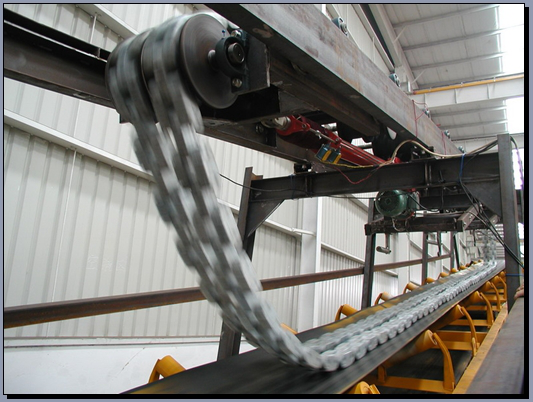
How to improve the accuracy of belt scale chain code verification?
Based on the factors that affect the accuracy of belt scale chain code verification mentioned above, improving the accuracy of belt scale chain code verification should start from the aspects of verification operator, operation steps, and belt scale application.
(1) The verification steps must strictly follow the industry standards for belt scale verification, and the verification personnel must be familiar with the verification standards and steps.
(2) Set up verification standards, provide training for verification personnel, enhance their sense of responsibility and verification knowledge, measure the length of the belt and the time required for each rotation, and adopt the method of taking the average of multiple measurements to ensure the correct input of various basic parameters.
(3) Timely clean up the accumulated dust and materials on the weighing bracket of the belt scale, and do a good job in cleaning the belt scale.
(4) Before verifying the chain code of the belt scale, it is necessary to perform no-load zeroing to ensure the accuracy of the belt's self weight.
(5) Accurately weigh the actual weight value of the chain code and keep a record. Before installation, check whether the chain code rotates smoothly to avoid adding additional weight. The accessories are complete, and the installation position, length, and tension of the two ends of the rope of the chain code must be as consistent as possible.
(6) Check that the speed sensor's speed measuring shaft is concentric with the speed measuring drum's shaft, ensuring that the measured speed value is correct, continuous, and consistent with the belt's design speed value.
(7) The influence of the installation inclination angle of the belt on the weight value of the chain code set in the belt scale.
(8) Correctly set the pulse value of the belt and do not modify it arbitrarily to ensure the consistency of the pulse number during each verification.
(9) Operate according to the maintenance and calibration rules of the belt scale, and perform relevant maintenance work on the belt scale.