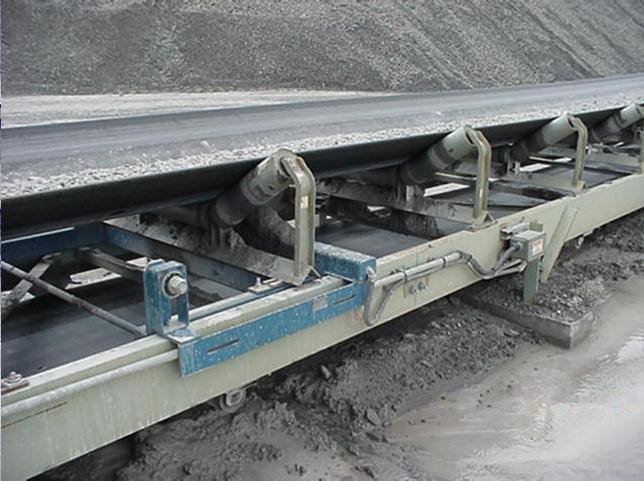
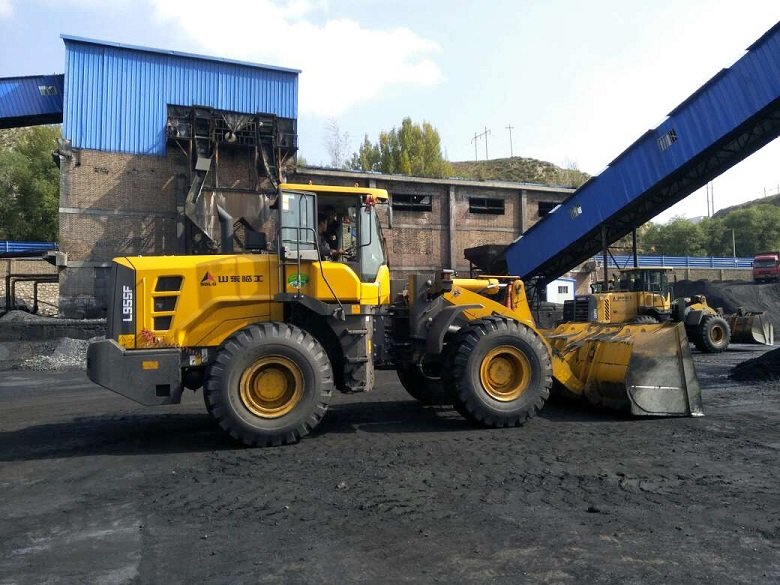
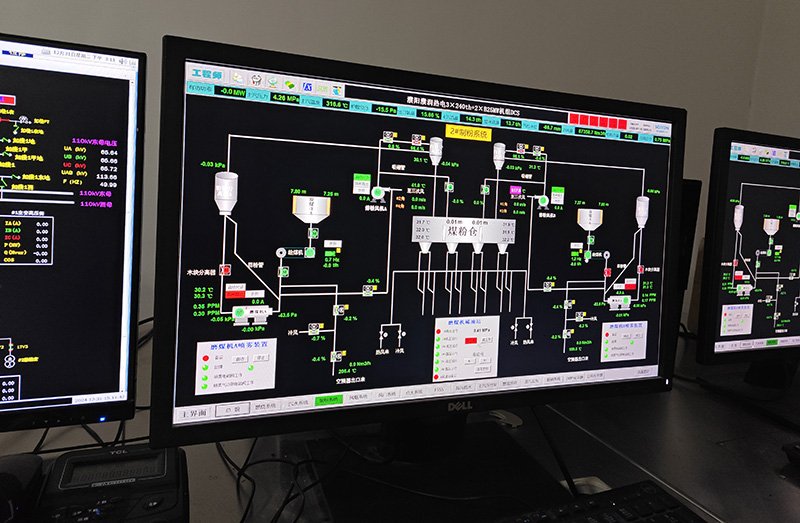
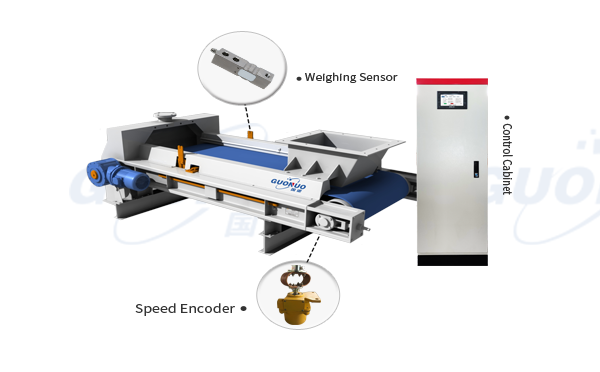
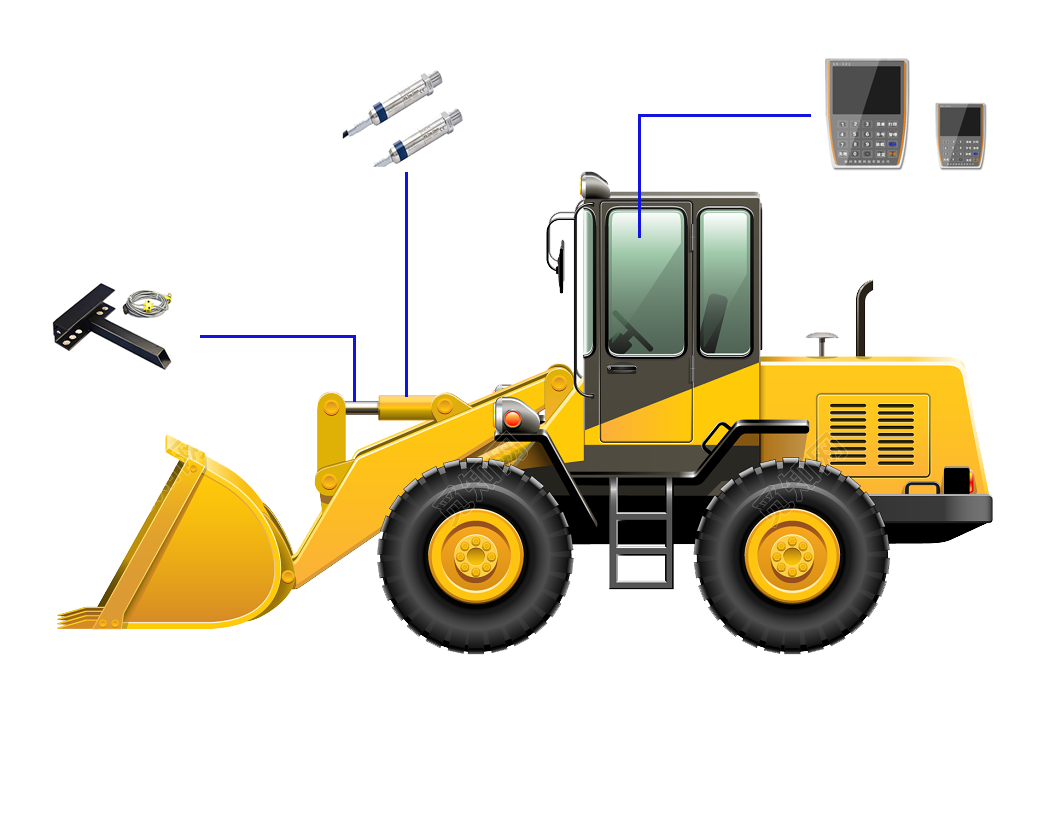
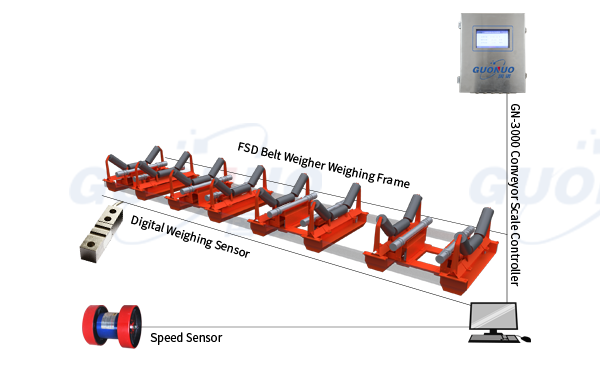
As industrial manufacturing accelerates toward digitalization and intelligence, electronic belt scales serve as core equipment for continuous material weighing.
The performance innovation of their weighing instruments directly determines the overall metering performance of electronic belt scales and the efficiency of production supervision.
With the in-depth integration of the Internet of Things, artificial intelligence, edge computing and other technologies, traditional weighing instruments for electronic belt scales are evolving from standalone metering tools into intelligent and networked data terminals, providing stronger support for refined management and control in industrial scenarios.
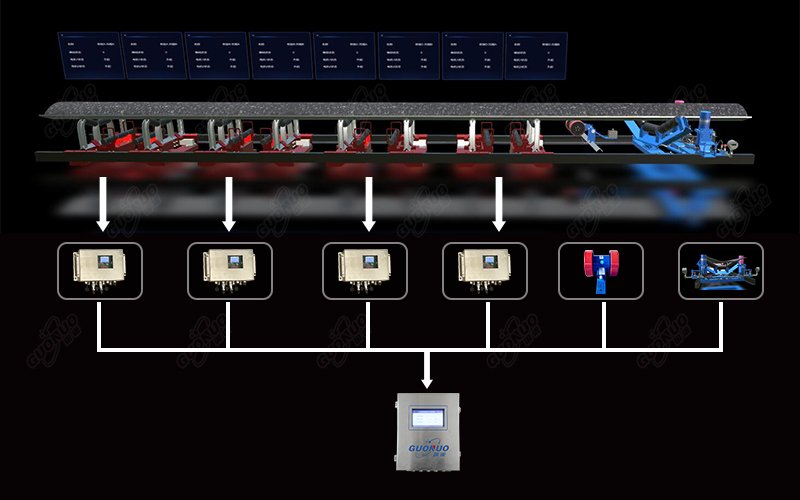
From Metering Tool to Intelligent Terminal: Breaking Functional Boundaries
Driven by digital and intelligent transformation, modern weighing instruments have gone beyond the role of conventional data collectors, and developed into intelligent terminals integrating perception, analysis and decision-making capabilities.
Embedded with AI algorithms, the new-generation instruments can analyze in real time how parameters such as belt tension, material distribution and speed fluctuations affect weighing accuracy, and adjust compensation coefficients autonomously.
For instance, when a new combined scale frame is fitted with standard test weights, the instrument can perform automatic on-line calibration by analyzing metering results.
Equipped with advanced intelligent algorithms, the devices deliver enhanced operational intelligence. Their built-in metering monitoring, fault diagnosis and data analysis functions can promptly detect metering anomalies and component failures, as well as pinpoint fault locations to facilitate troubleshooting and maintenance.
Data Fusion: A New Model to Eliminate Information Silos
The core of industrial digitalization and intelligence lies in fully tapping into the value of data. Supporting multiple standard industrial communication protocols and flexible software platforms, modern weighing instruments can seamlessly connect with PLC, DCS and MES systems.
Data collected by the instruments, including material flow, totalized weight and equipment status, are no longer isolated. Instead, they are linked with business modules such as production planning, energy consumption statistics and quality traceability, forming an essential part of the data network for production supervision.
In addition, weighing instruments feature steadily improved multi-source data processing capabilities. Adopting multi-source data fusion and Kalman filter algorithms, the devices can effectively suppress various interferences and further boost metering accuracy.
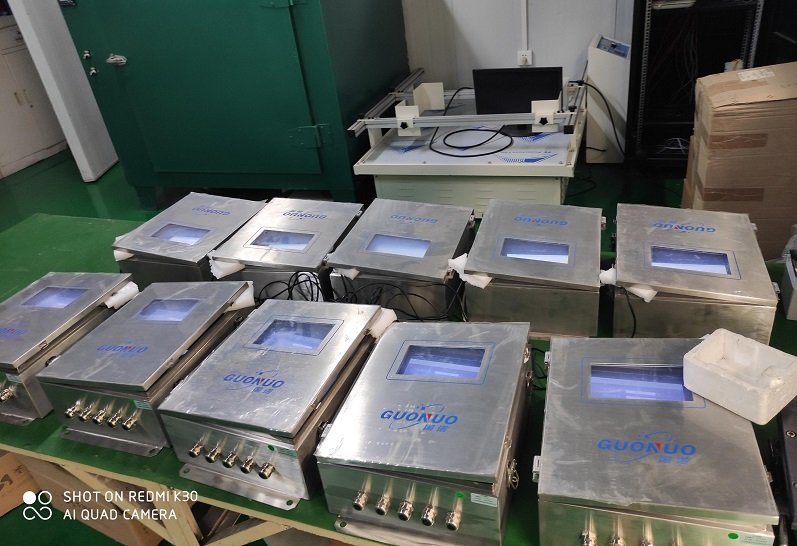
Edge Computing: Dual Guarantee of Low Latency and High Reliability
Industrial sites impose stringent requirements on real-time performance and operational stability, making edge computing a key development trend for weighing instruments.
New-type instruments are equipped with high-performance processors, enabling local data cleansing, feature extraction and anomaly diagnosis. Only key processed results are uploaded to the cloud, which reduces reliance on network transmission and eliminates latency risks during data delivery.
Safety and Sustainability: The Underlying Logic of Digital and Intelligent Transformation
Guided by the concepts of industrial safety and green manufacturing, the innovation of weighing instruments also focuses on intrinsic safety and energy conservation. In terms of hardware, they adopt intrinsically safe circuit design to meet the application requirements of explosion-proof environments. In terms of software, the built-in energy efficiency analysis module tracks the energy consumption curve per unit output, providing data reference for process optimization.
The digital and intelligent upgrade of electronic belt scale weighing instruments essentially reshapes the underlying operation logic of industrial manufacturing.
As metering equipment evolves from independently operated tools into interconnected ecological nodes, its value extends far beyond precise weighing. It has become a vital driving force for optimizing production processes, realizing efficient resource allocation and promoting scientific management and decision-making.