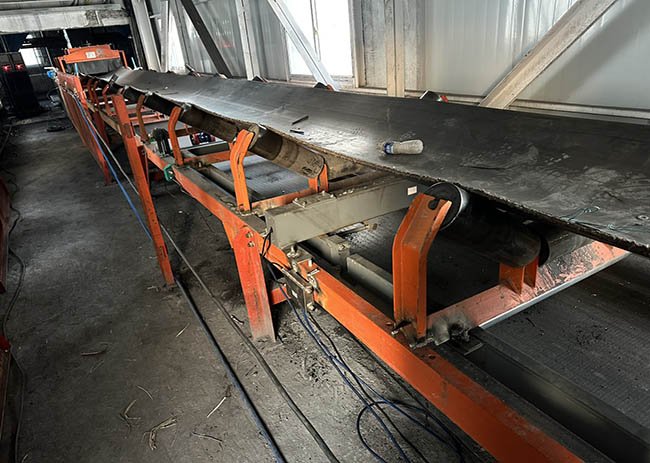
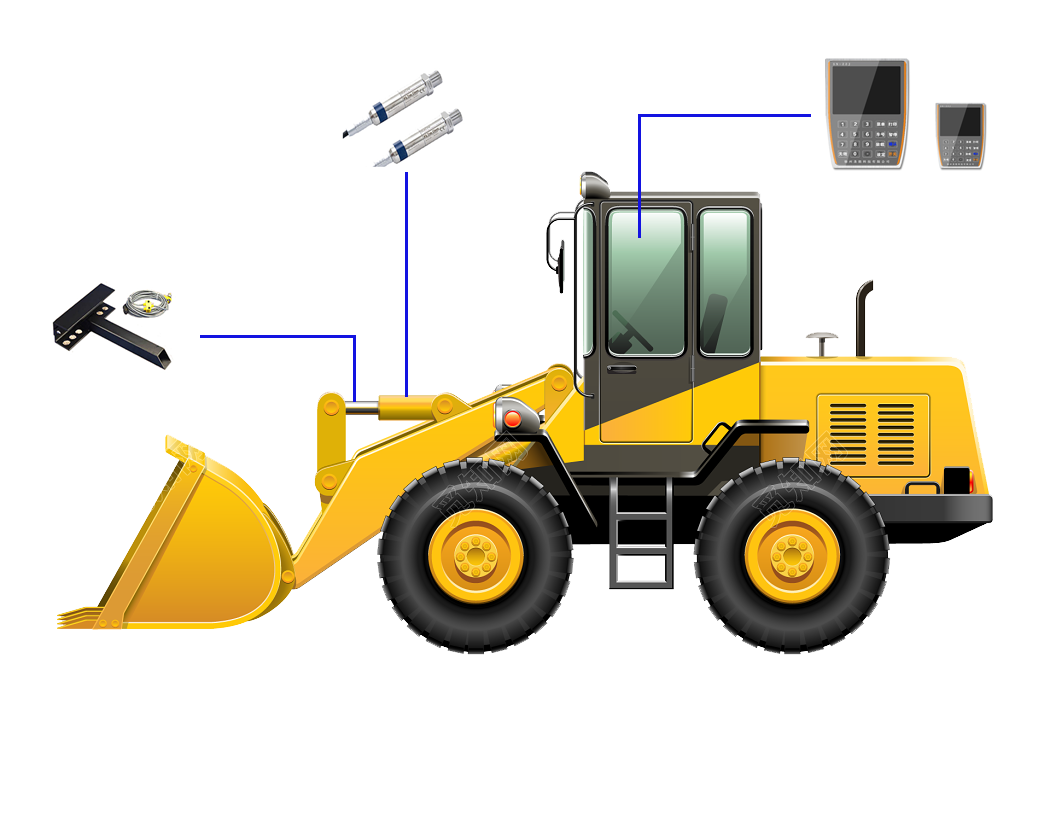
In the transportation of bulk materials such as coal, ore, grain, and ports, the efficiency and accuracy of loading directly affect the logistics costs, customer satisfaction, and overall operational capabilities of enterprises. Since the traditional loading method, manual operation or mechanical measurement and loading have caused problems such as slow loading speed, overloading and underloading, material spillage, and poor safety during the loading process.
The belt scale rapid quantitative loading system integrates automation control, high-precision measurement, and intelligent algorithms to achieve the goal of "fast, accurate, and error free" loading, becoming the core equipment of modern logistics and industrial production.
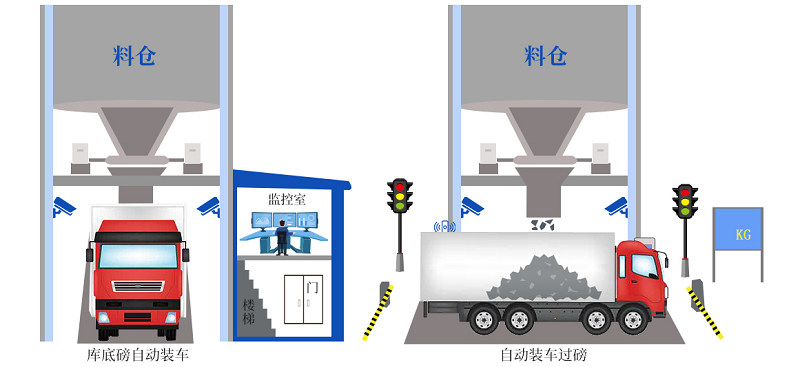
The belt scale rapid quantitative loading system consists of two major modules: hardware equipment and software algorithms, which form a closed-loop control through data exchange:
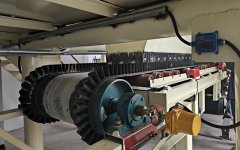
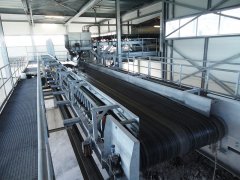
1. Efficient feeding equipment: Belt feeders and other equipment provide a stable and controllable material flow for the system, which is the starting point of the loading rhythm.
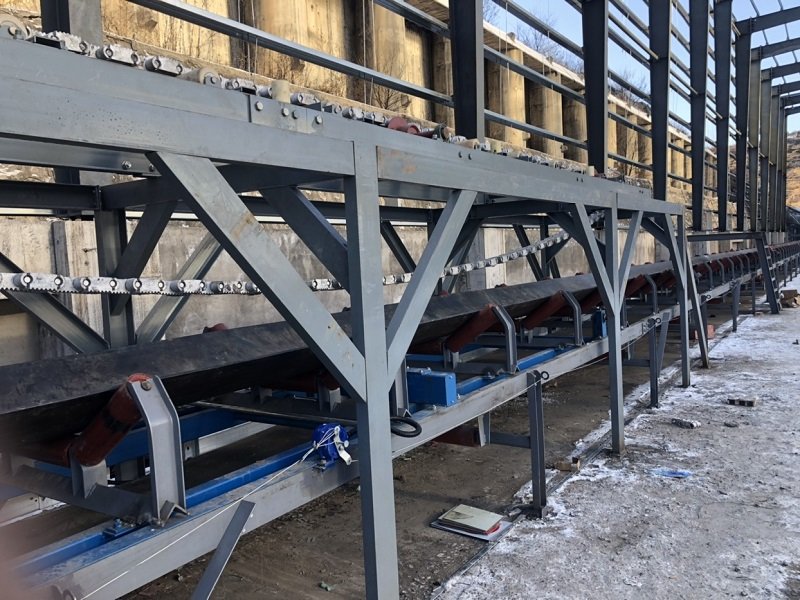
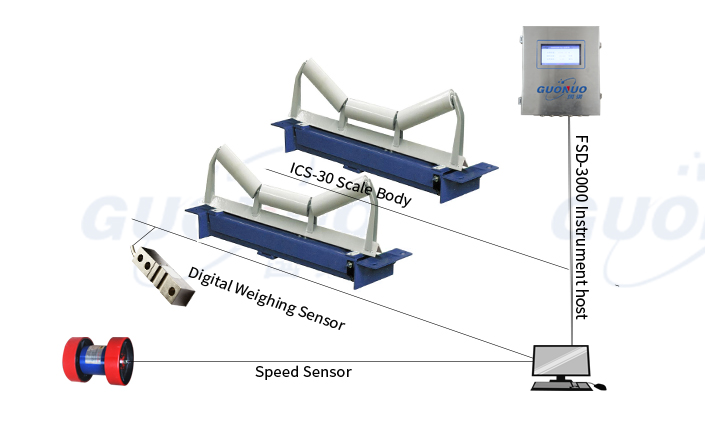
2. Core measurement unit - belt scale: Its core lies in digital high-precision weighing sensors and speed sensors, which dynamically and continuously measure the weight of materials passing through the conveyor belt, and generate real-time instantaneous flow data streams.
3. Intelligent control center: As the system brain, it receives real-time flow signals from the belt scale, compares them with the preset target loading volume at high speed, and generates accurate control instructions.
4. Agile execution mechanism: The instructions issued by the control unit drive the adjustment device of the feeding equipment (such as the frequency converter controlling the motor speed and adjusting the gate opening), instantly changing the feeding amount and achieving dynamic correction.
5. Positioning and control terminal: Accurately detect the vehicle's position, guide the loading action to start and stop, and provide a human-machine interaction interface to set parameters, monitor the process, and manage data.
The high speed of the belt scale rapid quantitative loading system is due to the precise management and control of material flow, and the rapid response:
1. Dynamic batching and continuous conveying: Materials are measured and controlled during motion, eliminating the need for multiple start stop and weighing cycles of traditional static scales. The material flow is almost continuous, maximizing conveying efficiency.
2. High speed closed-loop control: The control system completes the acquisition, calculation (calculation of flow deviation, generation of control instructions), and output response of the belt scale signal within milliseconds. This real-time closed-loop feedback regulation enables the feed quantity to instantly track changes in the target value, significantly reducing the time to reach the target loading quantity.
3. Process automation: Vehicle arrival, positioning detection, loading start stop, quantitative control, and data recording are fully automated, greatly saving manual operations and vehicle waiting time, achieving efficient assembly line operations.
4. Optimized mechanical design: Short distance conveying and high belt speed design (under the premise of meeting accuracy requirements) directly improve the material passing rate.
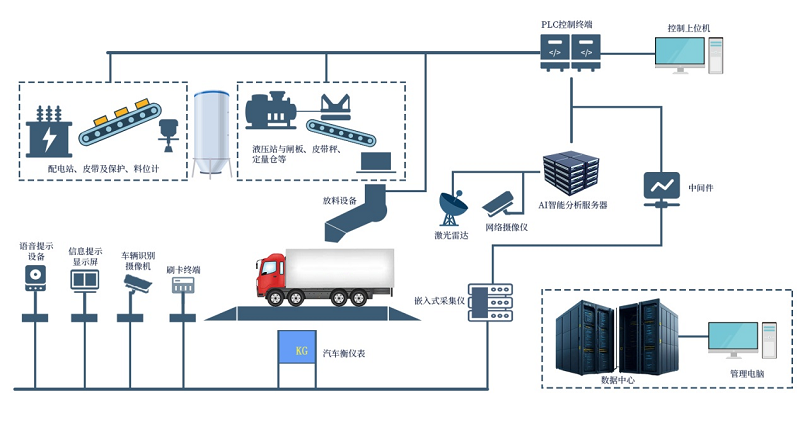
Accuracy is the lifeline of the belt scale rapid quantitative loading system, relying on the reliability of the underlying hardware and the wisdom of the upper level software
1. High precision sensing cornerstone: The core lies in selecting high-precision and high stability weighing sensors and speed sensors. The sensitivity and anti-interference ability of weighing sensors are the basis for accurately obtaining material weight; The speed sensor needs to accurately capture the true speed of the belt at every moment.
2. Advanced dynamic weighing algorithm: This is the key to solving the measurement problem of "belt motion state". The system utilizes complex mathematical models:
Noise filtering: Eliminate interference signals caused by mechanical vibration, belt deviation, material impact, etc.
Dynamic compensation: Compensate for the impact of belt tension changes, temperature drift, zero drift, and other factors on the measurement results.
Accurate integration: Perform high-precision time integration on instantaneous flow and accumulate to calculate the total delivery volume.
3. Intelligent precision control: Based on precise measurement, the system can accurately control the loading amount of materials according to the preset loading target, reducing errors in the traditional loading process and ensuring that the loading amount is completely consistent with the target.
The application of the belt scale rapid quantitative loading system has greatly improved the efficiency and accuracy of material loading, especially in large-scale mining, chemical, port and other fields, with stronger advantages. Through the integration of high-precision belt scales, dynamically adjustable control algorithms, real-time data feedback, and error compensation technology, the belt scale rapid quantitative loading system not only optimizes the production process, but also improves the overall safety and economic benefits of the operation.