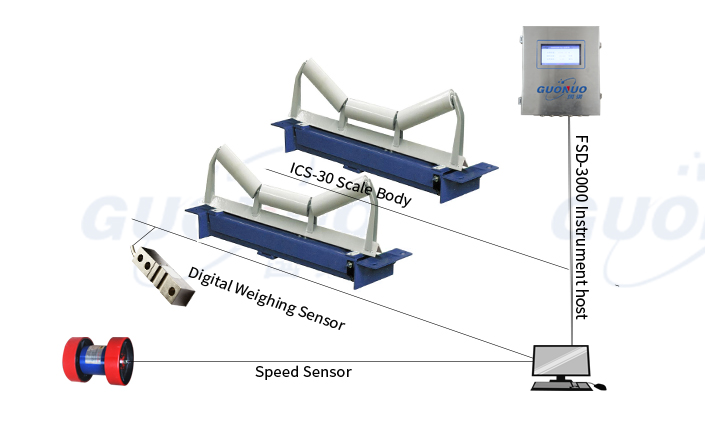
In recent years, with the rapid development of industrial technology, the precision and efficiency requirements for measuring and weighing in various industrial productions have become increasingly high. In this context, matrix belt scales have emerged, achieving excellent measurement accuracy and long-term stability through advanced technological means, successfully ushering in a new era of high-precision measurement and weighing.
The matrix belt scale adopts a highly accurate weighing system, which monitors the weight changes of materials in real-time during the conveying process through high-precision weighing sensors. Compared with traditional weighing scales, matrix belt scales have higher accuracy and wider applicability.
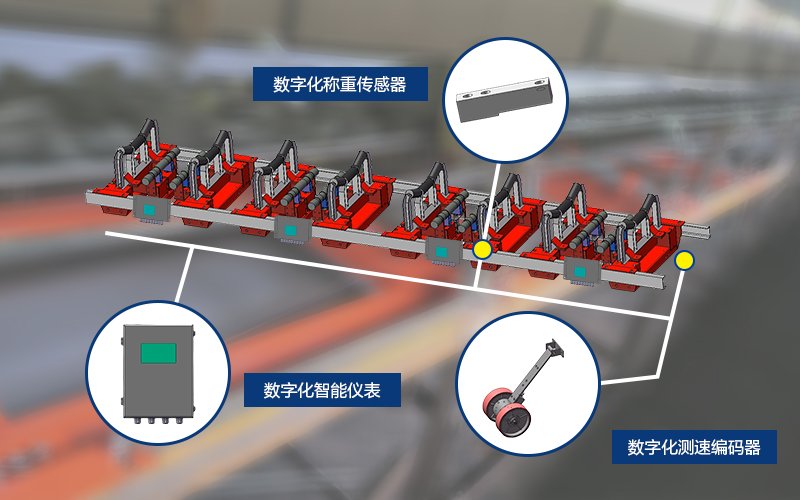
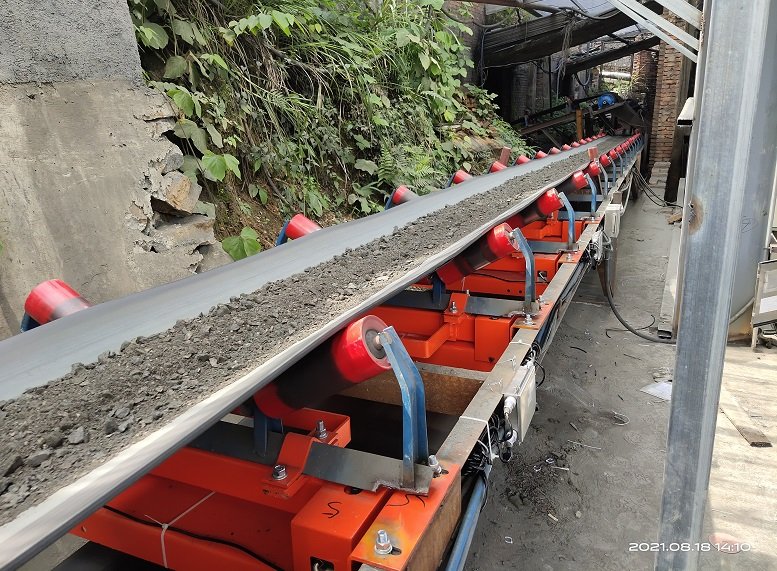
The core principle is to use a matrix based digital signal high-precision sensor array to monitor and calculate the weight of materials in real-time according to rows and columns during the belt conveyor process. At the same time, the matrix belt scale adopts a simple combination scale frame structure, without crossbeams or levers, with light weight and no unnecessary mechanical components. This unique structural design enables the matrix belt scale to perform better in the field of weighing.
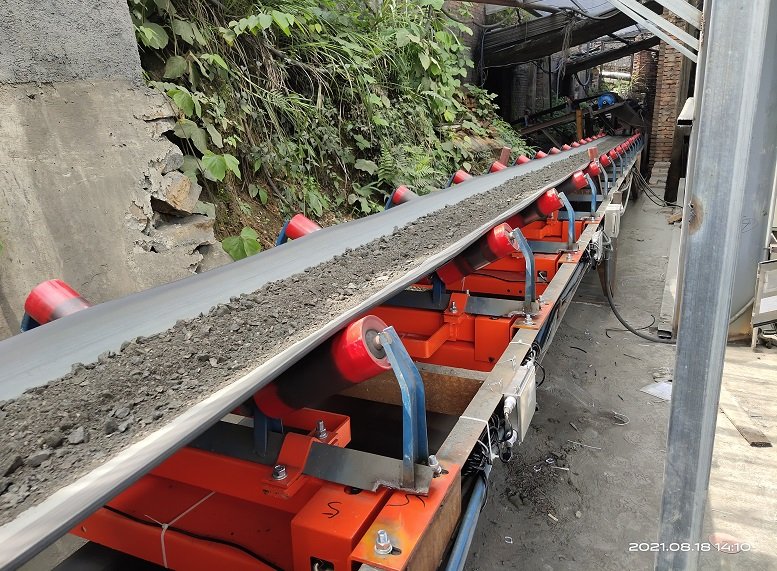
One of the characteristics of the matrix belt scale is its highly accurate measuring ability. Traditional weighing methods have certain limitations in accuracy and are easily affected by environmental factors and material characteristics. The matrix belt scale can quickly and accurately measure the weight of materials through precise sensor array layout and advanced signal processing technology. Whether it is powdered, granular or block materials, the matrix belt scale can achieve high-precision measurement, greatly improving the reliability and accuracy of the measuring scale.
In addition, the matrix belt scale also has efficient data processing and analysis capabilities. Through the built-in instrument computer system, the matrix belt scale can monitor and analyze the measurement data of materials in real time, and display the results in numerical or graphical form intuitively. This not only facilitates the daily work of operators, but also provides strong basis for enterprise decision-making.
At the same time, the matrix belt scale instrument can also be connected to the enterprise network for information sharing with other devices in the network, achieving efficient operation of automated production lines and greatly improving production efficiency.
In the industrial field, matrix belt scales are widely and diversely used.
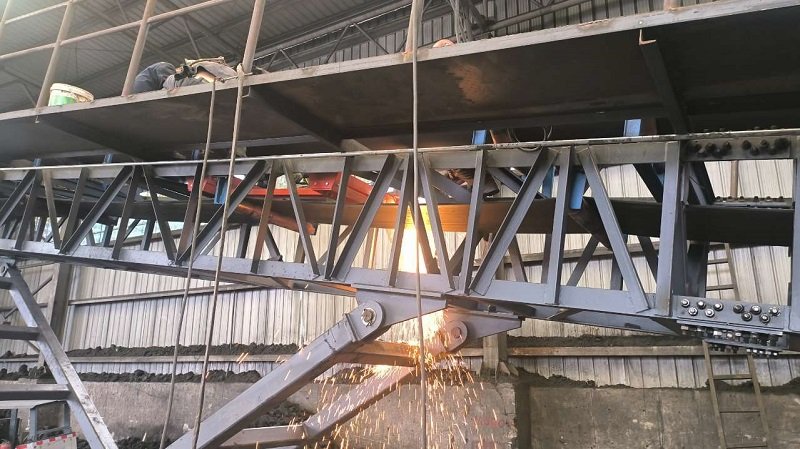
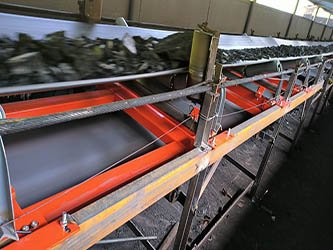
Firstly, it is widely used in material conveying systems in industries such as coal mining, electricity, and chemical engineering. Matrix belt scales can provide high-precision data support for measuring materials such as coal, ore, and chemical raw materials, ensuring the reliability and accuracy of the production process.
Secondly, in industries such as cement and building materials, matrix belt scales can be used to measure the flow and output of materials, helping enterprises achieve refined management and production control.
In addition, matrix belt scales can also be applied in industries such as metallurgy and environmental protection, meeting the needs of different fields for measuring accuracy and efficiency.
In summary, the matrix belt scale, as a leading weighing technology, has successfully ushered in a new era of high-precision weighing. Its highly accurate measurement capability and efficient data processing ability have made its application in the industrial field widely recognized.