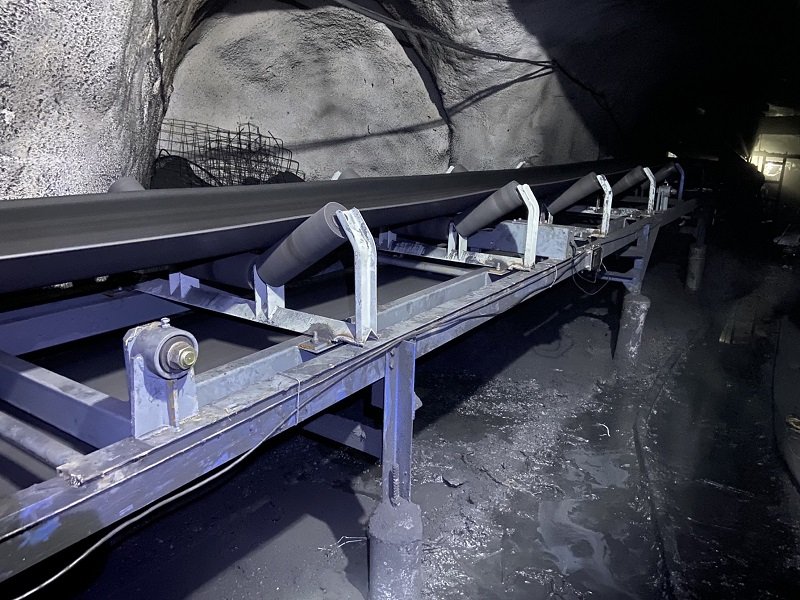
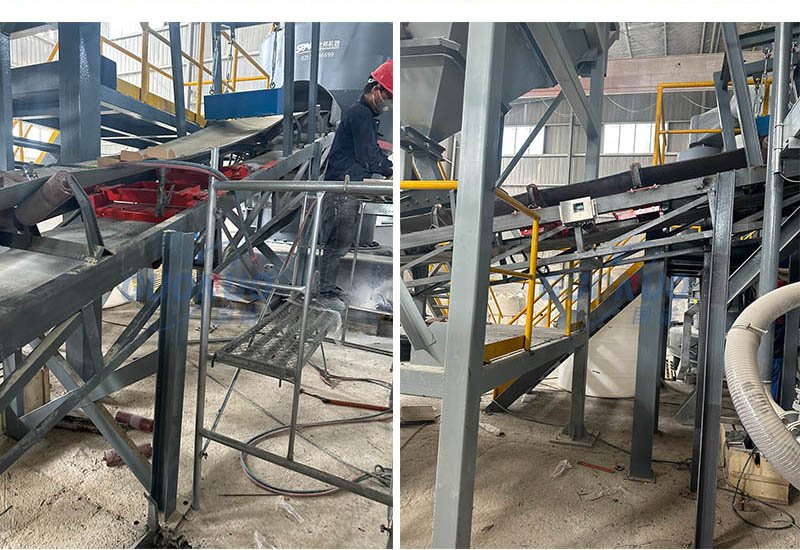
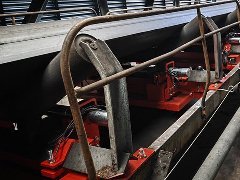
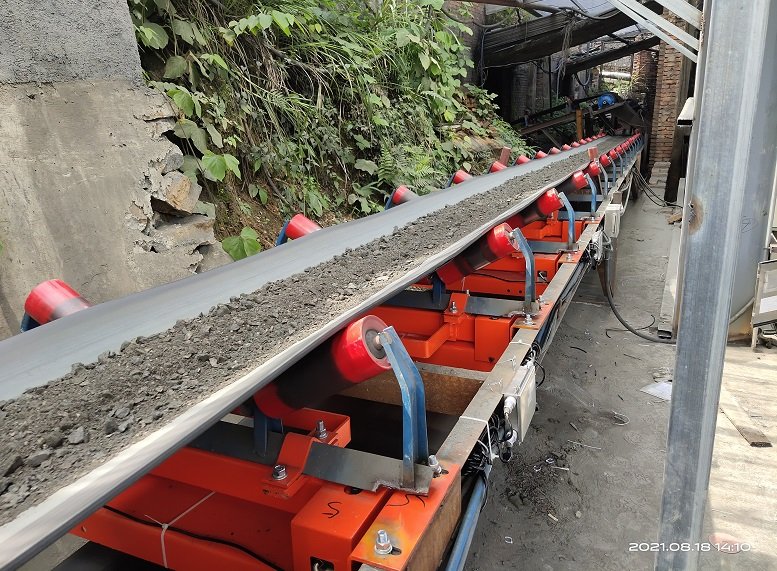
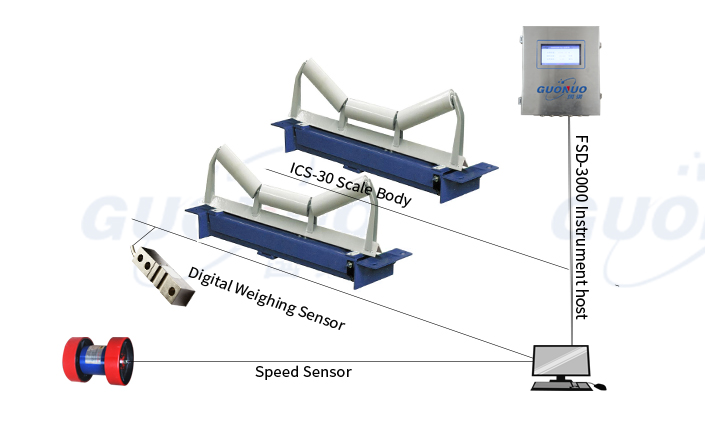
In the field of industrial bulk material conveying and measurement, the accuracy and stability of electronic belt scales are directly related to production efficiency, cost control, and fairness in trade settlement. As the core component that carries weighing sensors, conveyor belts, and materials, the design, material, and structural rationality of the scale frame are the key foundations that determine the measuring performance of electronic belt scales.
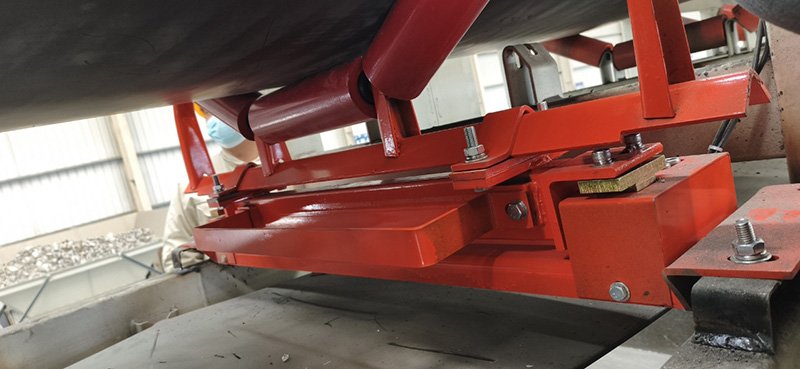
1、 High strength materials and anti deformation design establish a solid foundation for measurement accuracy
The scale frame can withstand belt tension, material impact, and equipment vibration for a long time, and the material strength and deformation resistance are the prerequisites for accurate measurement.
Firstly, the main body of the scale frame should be made of high-strength alloy steel or high-quality rigid materials, which have excellent tensile and compressive properties and can effectively resist plastic deformation under long-term loads.
For example, in heavy load scenarios such as mines and ports, using Q355B low-alloy high-strength steel for the weighing frame results in higher yield strength and stronger resistance to deformation.
Secondly, structural design needs to optimize stress distribution through finite element analysis to avoid local stress concentration. Welding should ensure overall rigidity and avoid deformation caused by uneven stress. Some high-end scale frames will also add reinforcing ribs at key stress bearing areas to further distribute stress and ensure that the deformation of the scale frame is controlled within 0.1mm after long-term use, providing a stable force foundation for sensors.
2、 Accurate geometric precision and installation reference ensure the accuracy of force transmission
The measuring principle of electronic belt scales is to convert the weight of materials into electrical signals through sensors, and the geometric accuracy of the scale frame directly affects the transmission efficiency and accuracy.
Firstly, the installation surface of the weighing roller on the scale frame needs to have extremely high flatness, and the height difference between adjacent rollers should be controlled within 0.05mm to ensure uniform force distribution during belt operation and avoid measurement errors caused by roller tilt.
Secondly, the installation reference plane of the scale frame should be strictly perpendicular to the centerline of the belt conveyor, and the parallelism deviation between the roller axis and the belt centerline should not exceed 0.1 ° to prevent interference from the sensor force caused by belt deviation. In addition, the connection between the scale frame and the conveyor frame needs to use positioning pins or high-precision bolts to ensure the repeatability of installation positions and avoid system deviations caused by installation errors.
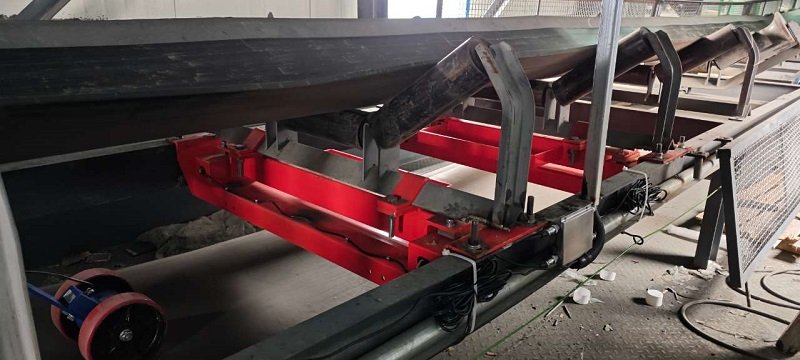
3、 Anti interference and damping design to enhance adaptability to complex working conditions
There are a large number of vibrations, impacts, and electromagnetic interference in industrial sites, and the scale frame needs to have good anti-interference ability to maintain measurement stability. In terms of vibration suppression, rubber shock absorbers or spring dampers can be used to significantly reduce the impact of external vibrations on the sensor.
In response to material impact, the scale frame can be equipped with buffering rollers or elastic buffering devices to absorb the impact force of large pieces of material falling, avoiding damage to the sensor or measurement fluctuations caused by instantaneous overload. In terms of electromagnetic protection, the main body of the scale frame needs to be grounded to form an electromagnetic shielding layer, reducing the interference of electromagnetic radiation generated by equipment such as frequency converters and motors on sensor signals.
4、 Modular and easy to maintain design ensures long-term stable operation
The maintenance convenience of the scale frame directly affects the long-term stability of the equipment. Modular design enables quick disassembly and replacement of scale frame components, such as using quick detachable roller supports, reducing the time for roller replacement from the traditional 2 hours to less than 15 minutes. At the same time, the surface of the scale frame needs to be treated with anti-corrosion measures, such as hot-dip galvanizing or electrostatic spraying, which can effectively prevent rust and extend its service life in humid and dusty environments.
In short, the design and manufacturing of electronic belt scale frames need to balance strength, accuracy, anti-interference, and maintainability. Only by meeting these stringent requirements can reliable guarantees be provided for the precise measurement and stable operation of electronic belt scales, and their performance advantages be fully utilized in complex industrial environments.