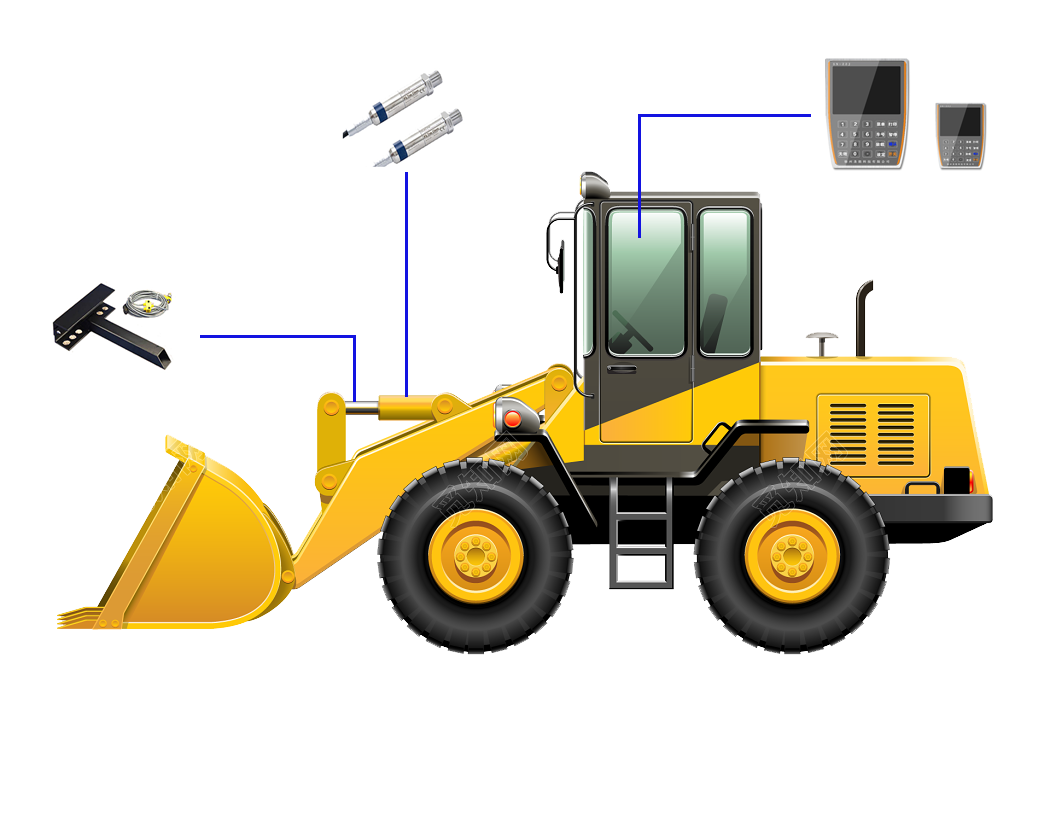
In industrial automation production, belt scales are widely used as dynamic measuring devices in the material conveying process. Among them, electronic belt scales and belt batching scales have significant differences in structural design, application scenarios, and technical characteristics due to their different functional positioning. In general, electronic belt scales focus on completing continuous flow measurement statistics, while belt batching scales complete formula proportioning based on measurement.
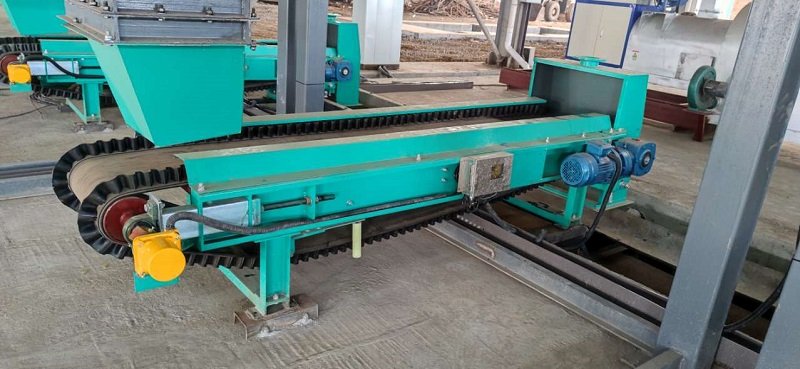
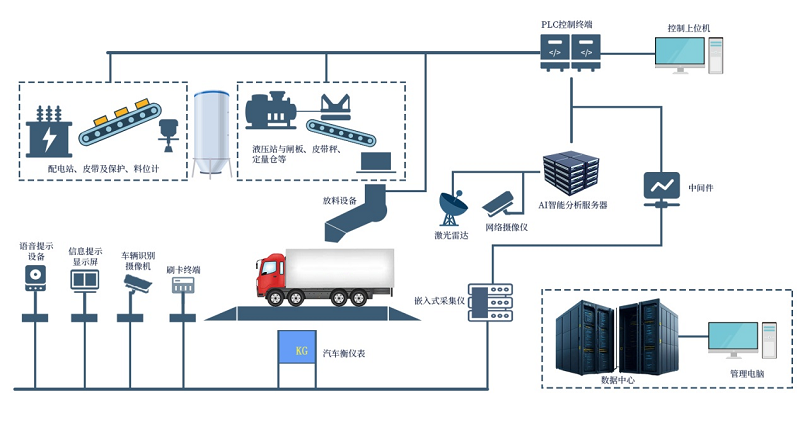
The core task of a belt batching scale is to accurately control the ratio of multiple materials. It is an integrated dynamic quantitative feeding system. Its typical working mode is: materials enter the buffer hopper above the scale body from the silo, and the precision weighing sensor (such as a digital sensor) below the belt senses the weight changes of the materials on the belt in real time. The weight signal and belt speed signal are input together into a controller (such as a high-performance PLC). The controller applies a complex PID (proportional integral derivative) algorithm based on the preset material target flow rate to continuously and dynamically adjust the output of the frequency converter, thereby accurately controlling the speed of the drive motor (i.e. belt speed), and ultimately achieving high-precision closed-loop control of the material flow rate. Its essence lies in "dynamic adjustment" and "closed-loop feedback".
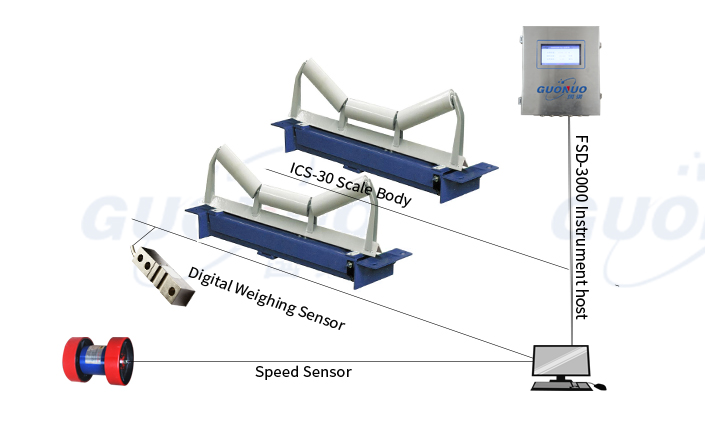
In contrast, the core goal of electronic belt scales is to continuously measure the instantaneous flow rate and cumulative weight of materials on the conveyor line. It is a precise online measuring device. The material continuously passes through the weighing sensor area (single or multiple points) installed below the roller on the conveyor belt, and the sensor senses the vertical force applied by the material; At the same time, speed sensors (such as proximity switches or encoders) synchronously monitor the belt speed. After receiving weight and speed signals, the instrument calculates the instantaneous flow rate through integration calculation (flow rate=unit length material weight × belt speed) and accumulates it. Its core lies in "continuous measurement" and "real measurement", and it does not have the ability to actively adjust material flow - it is more like a high-precision "observer" and "recorder".
Due to the different principles and functions of belt batching scales and electronic belt scales, their application scenarios are different:
1. Application scenarios of belt batching scale:
Formula production: raw material ingredients for cement plants (precise mixing of limestone, clay, iron powder, etc.), preparation of glass industry additives (quartz sand, soda ash, limestone, etc.), feed processing (precise mixing of various grains, protein raw materials, additives), precise ingredients before chemical raw material synthesis, etc.
Quantitative feeding: It is necessary to accurately and stably transport a single material to the next process, such as feeding the mill or quantitatively feeding the reactor.
Replace traditional scales: In situations where space is limited or continuous feeding is required, replace expensive static batch scales.
2. Core applications of electronic belt scales:
Trade settlement: The accurate measurement of bulk materials such as coal, ore, and grain during loading, unloading, or inter factory handover directly affects the calculation of huge trade amounts and costs.
Process monitoring: Monitor the total material flow rate at the inlet/outlet of the production line (such as monitoring the amount of coal entering the furnace in power plants and processing capacity statistics in mineral processing plants), and monitor whether the belt conveyor is overloaded or running without load.
Production report: Provide cumulative production data for shifts, days, and months for production management and performance evaluation.
The basis of proportional control: In systems that require adjusting the ratio of other raw materials based on the main flow rate (such as adjusting the dosage of limestone desulfurizer based on the main coal flow rate), it serves as the main flow signal source and provides a set benchmark for other batching scales.
Structural, Cost, and Maintenance Considerations
1. Structural integration degree:
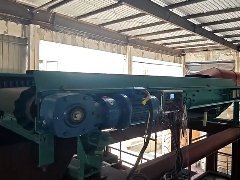
Belt batching scale is usually a complete system, including scale frame, weighing sensor, speed sensor, variable frequency speed motor drive device, sealed guide groove, anti deviation device, and core weighing controller (with PID adjustment function). The design focuses more on overall sealing, anti blocking materials, material flowability, and dynamic weighing stability.
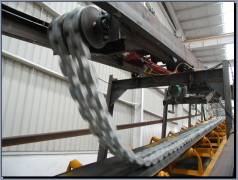
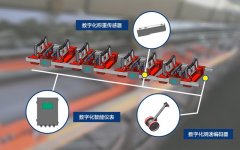
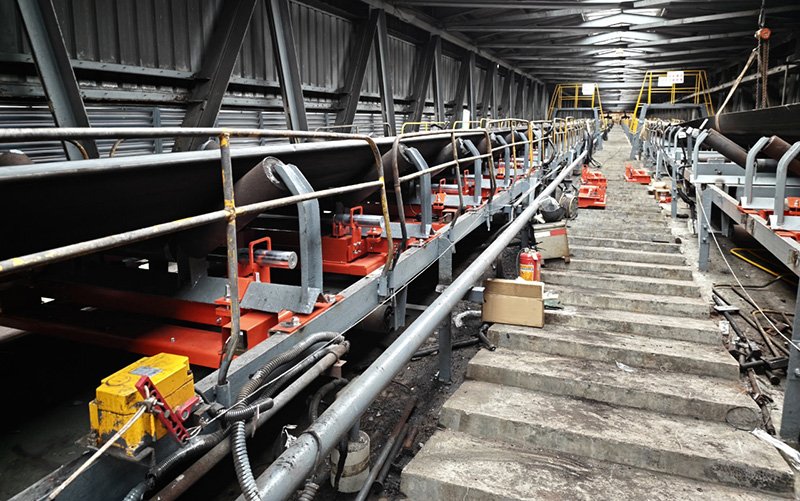
Electronic belt scales usually refer to the measuring unit itself, mainly including scale frames (single roller, multi roller, cantilever, suspended, etc.), weighing sensors, speed sensors, and weighing instruments (focusing on measurement and calculation). It needs to be installed on an existing conveyor, which requires extremely high rigidity and operational stability of the conveyor itself.
2. Cost: Due to its inclusion of a drive regulation system and higher overall design requirements, the overall cost of a belt batching scale is typically significantly higher than that of an electronic belt scale solely responsible for measurement.
3. Maintenance: Both require regular maintenance and calibration (such as hanging code calibration, chain code calibration, or physical calibration). The ingredient scale is more sensitive to belt tension, speed stability, and sensor status due to its involvement in regulating circuits; Belt scales are highly dependent on the cleanliness of the scale frame area, constant belt tension, no deviation, and stable structure of the scale frame itself. Even small changes can significantly affect the measurement accuracy.
The difference between electronic belt scales and belt batching scales lies in the functional positioning of measuring tools and production control systems. The former focuses on high-precision measurement and serves material statistics and trade settlement; The latter, through integrated design, becomes the "nerve center" of automated production lines.