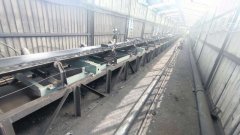
As a highly sensitive and automated industrial bulk material dynamic measuring instrument applied to belt conveyors, the quality and performance of electronic belt scales directly affect the production efficiency and management in the subsequent application process.
In order to ensure that the electronic belt scale can be installed correctly and reasonably on the application site, and to ensure high precision, long-term stability and reliability during the application process, it needs to undergo a series of performance tests before leaving the factory.
Generally speaking, the performance testing of electronic belt scales before leaving the factory mainly includes the following aspects:
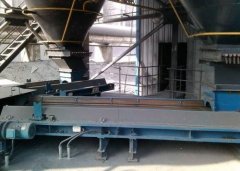
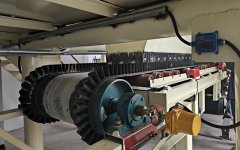
1. Appearance inspection: Check whether the scale frame, mechanical components, and manufacturing process of each component of the belt scale are qualified in appearance, such as whether the painting is uniform.
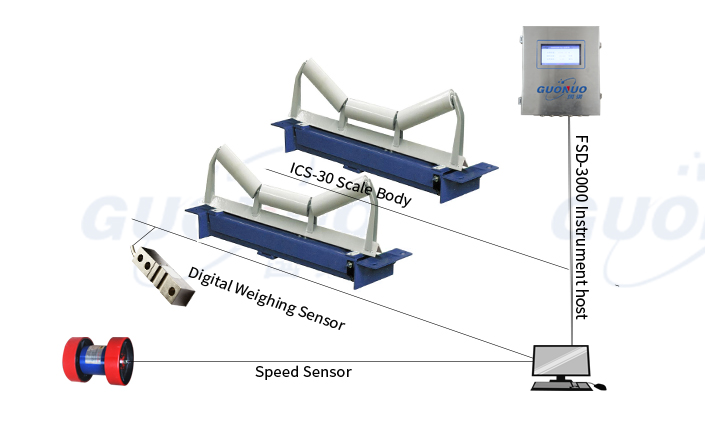
2. Functional testing of weighing sensors and speed sensors. Confirm whether the weighing sensor and speed sensor are working properly, whether they meet technical specifications, whether the weighing sensor can accurately monitor material flow, and whether the speed sensor can accurately reflect belt speed.
3. Verification method detection. Confirm whether the verification methods used for the belt scale meet the requirements, such as hanging code verification, chain code verification, and physical verification, and whether the verification accuracy meets the requirements.
4. Environmental impact performance testing. Test the application performance of electronic belt scales in harsh environments, such as the impact of environmental factors such as high and low temperatures, strong magnetism, etc. on their accuracy.
5. Maintenance and inspection. Check whether the daily maintenance work of the belt scale is in place, such as cleaning, lubrication, and making components smoother, to ensure compliance with requirements.
6. Security performance testing. It is necessary to test the safety performance of the belt scale, such as electrical safety, mechanical safety, etc., to ensure compliance with relevant national standards. It is particularly emphasized that explosion-proof belt scales must be strictly designed, manufactured, and tested according to explosion-proof electrical equipment, and must ensure application safety.
7. Performance stability testing. It is necessary to test the performance stability of the belt scale, such as the degree of impact on its accuracy caused by long-term operation and repeated use.
8. Electromagnetic interference detection. Check whether the belt scale is affected by electromagnetic interference to ensure its stable and reliable performance.
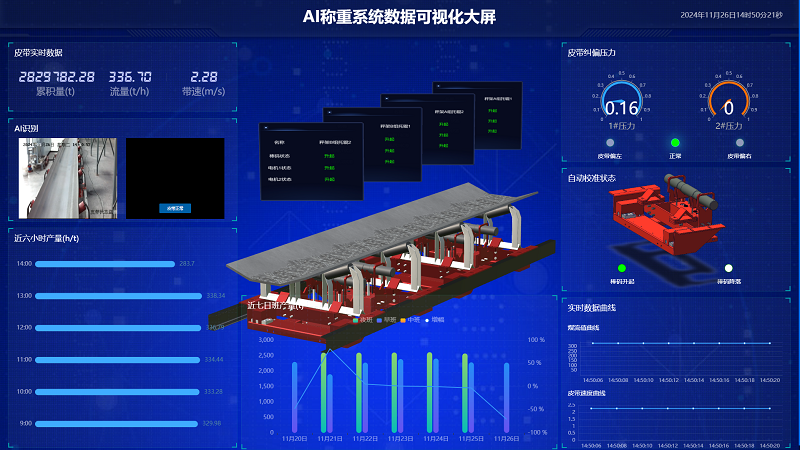
9. Data display detection. Check whether the data display of the belt scale instrument is accurate and real-time. If the upper computer software system of the belt scale is configured, the real-time display, historical query data, and reports of the upper computer software data will also be checked to ensure the accuracy of the data.
10. Information interface detection. Ensure that the number and type of information interfaces for the belt scale instrument are correct and can be connected to the information network for normal and stable data upload. There is also a printing interface to ensure that it can connect to a printer to complete data printing.
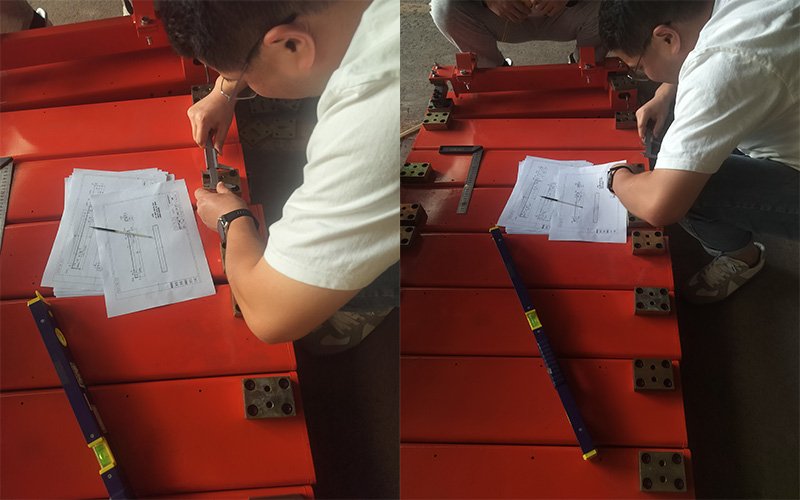
11. Structural dimension inspection. The electronic belt scale is customized according to customer needs and is compatible with the belt width and production process of the on-site conveyor. Before leaving the factory, it must be inspected according to the design scheme and drawings, and the structure and dimensions must be consistent with the drawings.
In short, the performance testing items of electronic belt scales before leaving the factory are very necessary and important. They must be strictly tested according to relevant standards to ensure their quality is qualified, stable and reliable performance, and meet user needs.