To achieve long-term stable and benign development goals, production enterprises must reduce labor and production costs, improve management decision-making capabilities, enhance product research and development innovation capabilities, and ultimately improve production efficiency and economic benefits of the enterprise.
One effective measure for production-oriented enterprises to achieve the goal of improving production efficiency, quality, and economic benefits, as well as reducing labor costs, is to use new industrial grade production equipment that is information-based, automated, and intelligent to replace manual operations, ensuring production efficiency and quality.
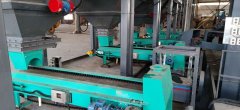
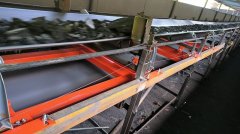
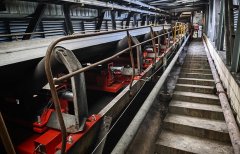
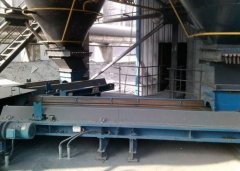
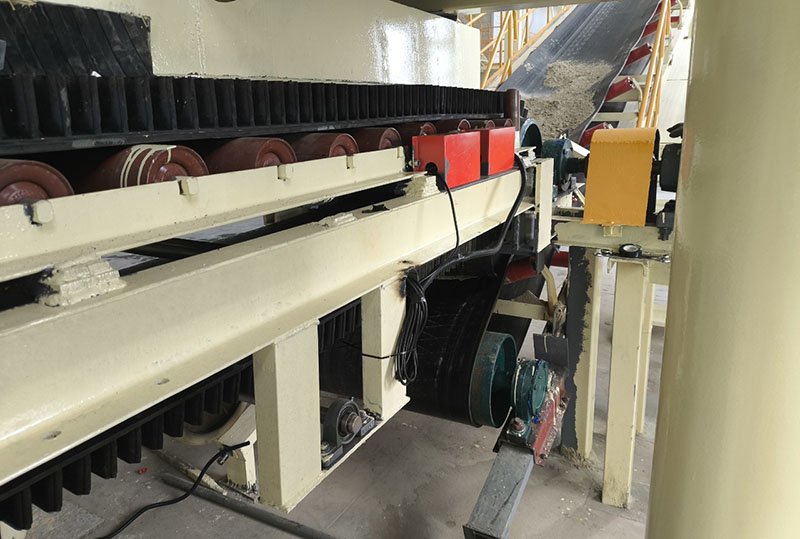
Quantitative feeding scale, also known as quantitative feeder or batching scale, is designed and manufactured to integrate material conveying, dynamic weighing, and automated control of batching in the logistics system of integrated production enterprises. The application of quantitative feeding scales enables the automatic, efficient, and precise completion of bulk material batching in factories, avoiding the discontinuity of conveying, weighing, and controlling the feeding amount, thereby helping to improve production efficiency.
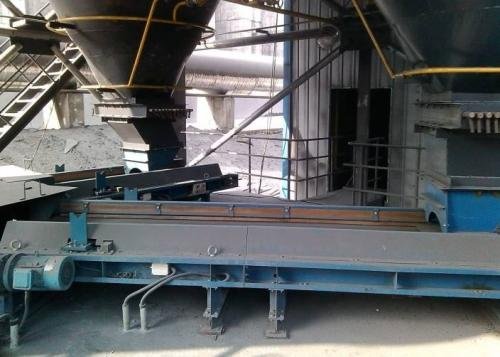
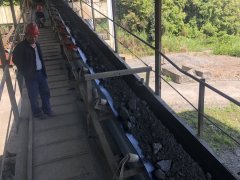
The operation mode of the quantitative feeding scale is continuously and dynamically carried out, and it simultaneously completes three production activities: continuous conveying of solid bulk materials, dynamic weighing and measurement, and automated control of feeding. The conveying process completes the weighing and measurement of materials and feeding, with a high level of automation, meeting the automation batching needs in the production process of enterprises.
Operators only need to complete simple and necessary parameter settings, start equipment, and other operations through the human-machine dialogue interface, and the system will run according to the parameters. There is no need for manual participation in the entire process, greatly reducing the labor cost of enterprise production.
The traditional production equipment of enterprises is relatively backward, which not only requires a large amount of manual participation in the production process, but also requires a lot of manual maintenance operations after the end of a certain shift, before the start of the next shift, and even in daily production activities. This invisibly increases the workload and costs of labor.
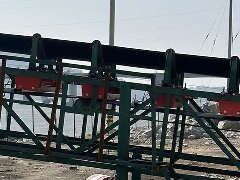
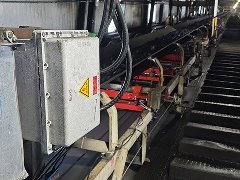
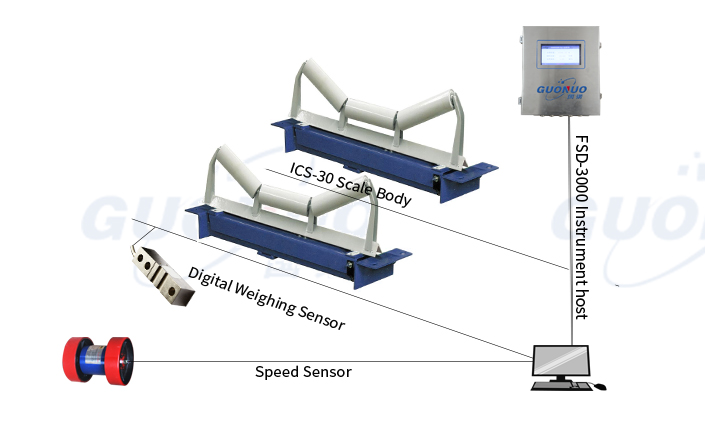
The quantitative feeding scale is equipped with a series of automated components, such as automatic cleaning devices, automatic deviation devices, etc. Sensors and other components are made of industrial grade parts and manufactured, ensuring performance and quality, stable operation, and reducing equipment maintenance and repair workload.
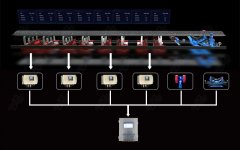
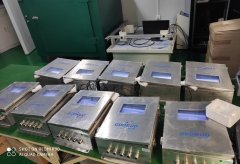
In addition, the instruments equipped on the quantitative feeding scale have intelligent features, which can monitor the feeding scale itself and the entire batching system in real time. When any abnormalities are detected, they will immediately trigger an automatic alarm and provide automatic fault and alarm information, improving the stability of equipment operation and avoiding the expansion of the impact caused by abnormal conditions in the production process.
In terms of production management, in the past, production and management methods were often separated, and managers needed to manually report production conditions, resulting in delayed production information and inability to control frontline production in real time.
The intelligent instrument of quantitative feeding scale can store and transmit production information in real time, and the manager can remotely query the data through the terminal to understand the production situation. Different production shifts can be set through instruments, and incentive policies can be set based on data from different shifts. Real time and comprehensive production data provides data support for production management.
Quantitative feeding scales have obvious advantages and irreplaceable positions in the application of factory production activities. They can stably, reliably, accurately, and continuously complete the transportation, weighing, and feeding of bulk materials, and improve the automation and intelligent production level of enterprises, which is conducive to the factory's sustainable development ability in the fierce market competition environment.