In the central control room of large cement plants, key figures related to cost and quality flicker in real time on huge display screens in front of operators, with the metering accuracy of raw material conveying lines reaching 0.2%.
Such high precision is delivered by high-performance weighing systems adopting combined electronic belt frame technology. In coal conveying corridors of harsh coal-fired power plants, raw coal rolls steadily on belt conveyors, while robust lever-type electronic belt scales keep operating reliably, enduring long-term impacts of large flow volume, vibration and temperature fluctuations.
With technological advances in recent years, combined electronic belt scales represented by direct load-bearing and suspended frame types boast outstanding precision.
They have seen expanding application scope in fields with stringent metering requirements including cement batching, chemical production, grain processing and port trade. This raises a question: have lever-type electronic belt scales, featuring conventional fundamentals and bulky structures, been eliminated and withdrawn from industrial scenarios?
To figure out the answer, it is essential to analyze the subtle differences and inherent principles between the two core technologies.
Lever-Type Electronic Belt Scale: Stable Structure, Cost-Effective and Durable
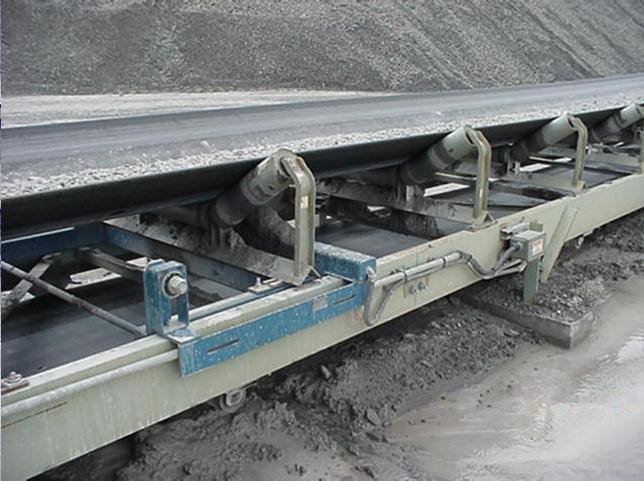
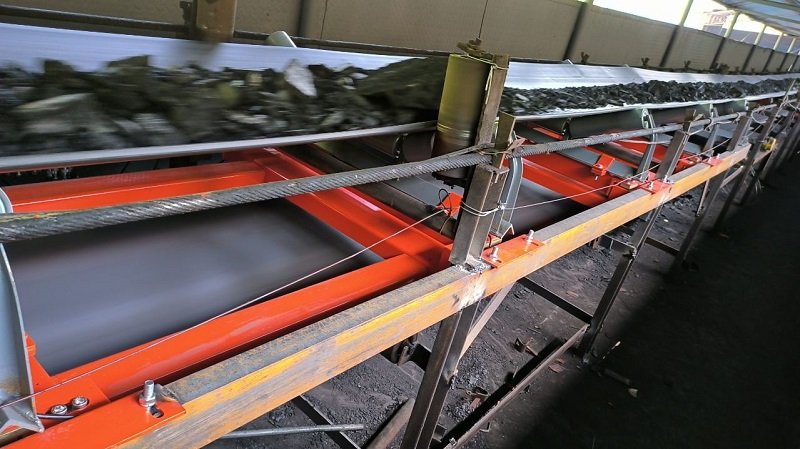
It adopts mechanical lever structure. Material weight is proportionally transmitted to one or a limited number of weighing sensors via the lever system on the scale frame. Typical types include single-roller lever scale and double-lever double-roller scale.
Advantages
• Solid structure and strong anti-interference capability. The lever disperses loads and buffers disturbances caused by belt deviation and material impact. It maintains excellent stability and durability under severe vibration and harsh environments such as ore and coal transportation, with low maintenance demands.
• Low initial investment cost thanks to relatively simple construction.
Limitations
• Restricted precision. Mechanical friction, pivot wear, structural deformation and insufficient sensors (generally 1 to 2 units) result in limited weighing accuracy ranging from ±0.5% to ±1%.
• Ordinary zero-point stability. Prone to zero drift affected by thermal expansion, contraction and structural distortion.
• Complicated on-site calibration relying on cumbersome weight hanging calibration procedures.
Combined Electronic Belt Scale: High Precision and Advanced Technology
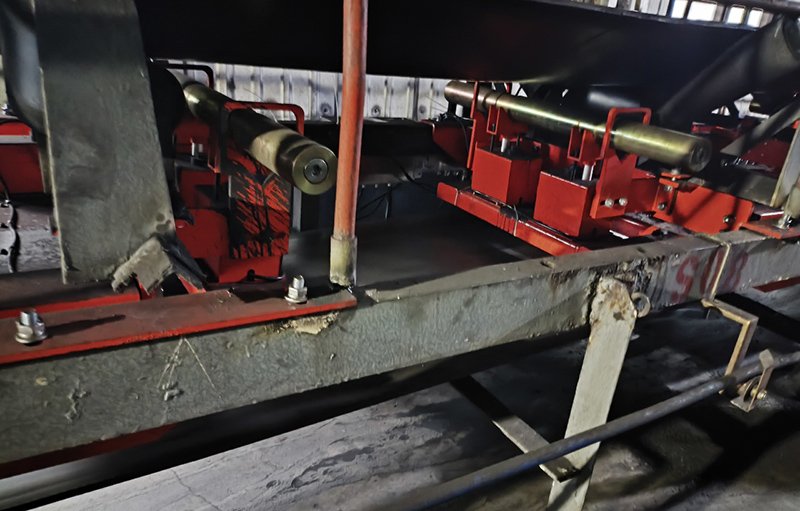
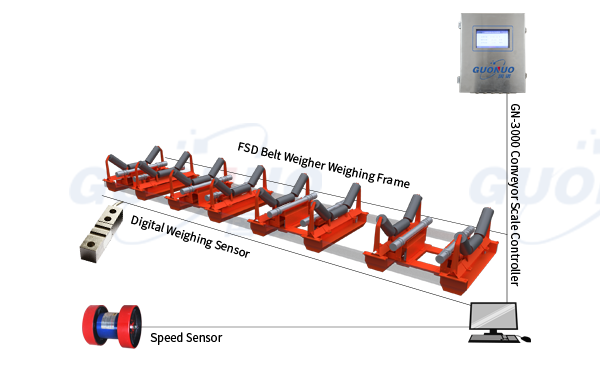
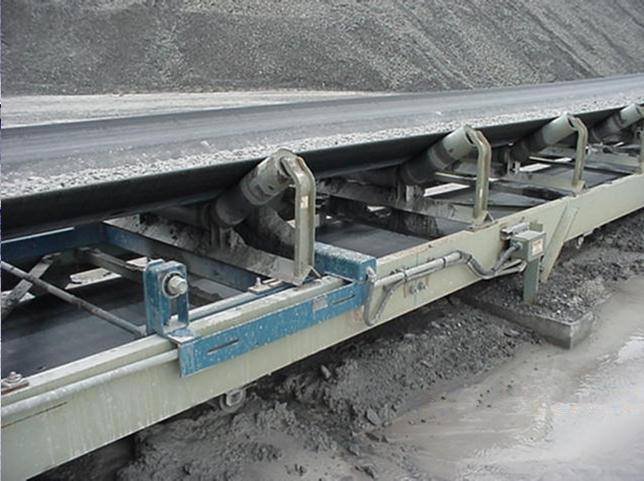
Abandoning complex lever mechanisms, it applies the design of multi-roller and multi-sensor direct load bearing. The scale frame is an integral rigid structure, with independent weighing sensors installed directly beneath each roller set, commonly 4, 6 or more sets. Direct load-bearing and suspended styles are two mainstream categories.
Advantages
• Superior precision. Multi-sensor direct measurement averages errors and minimizes interference from belt tension variation and deviation. Premium models are equipped with tension detection and compensation technology, achieving accuracy up to ±0.25% and above, satisfying strict demands of trade settlement and production process control.
• Favourable zero-point stability. Simple structure brings minor mechanical hysteresis and thermal deformation, effectively reducing zero drift.
• Convenient calibration. Compatible with weight hanging, chain code, circulating chain code and electronic calibration. Automatic online calibration greatly simplifies daily maintenance.
• Strong lateral force resistance, effectively countering lateral impact generated by belt deviation.
Drawbacks
It demands sophisticated manufacturing techniques with higher upfront costs, and sets stricter requirements for installation foundations.
From the perspective of market application, the conclusion is clear: combined electronic belt scales take the leading position in mainstream markets, yet lever-type products still retain applicable scenarios and have not been completely phased out.