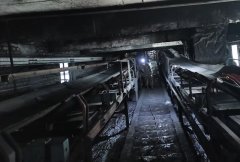
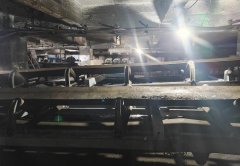
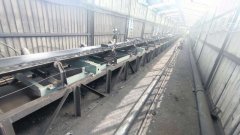
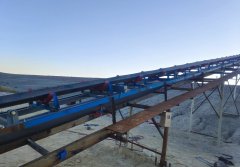
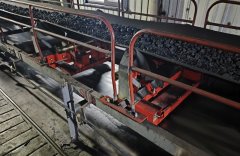
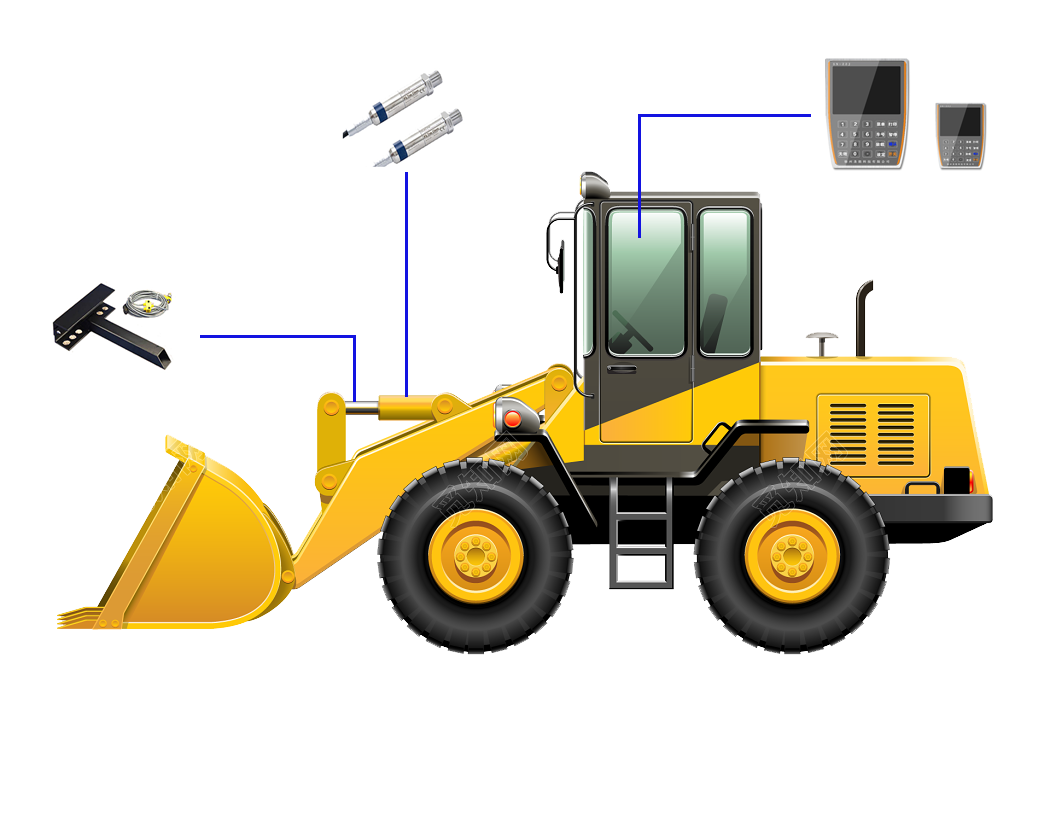
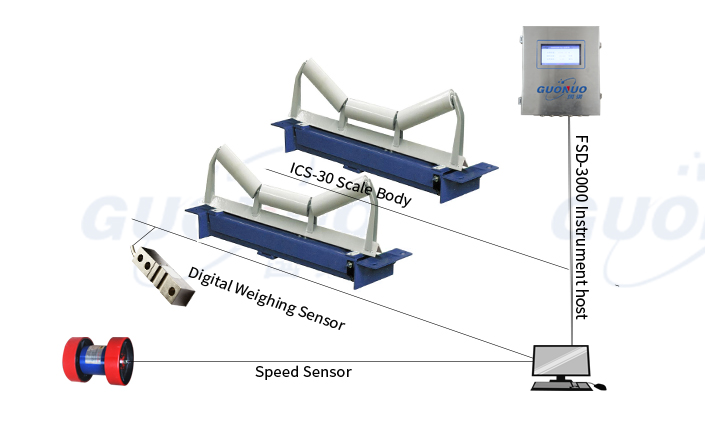
In complex working conditions such as high dust, strong vibration, and high humidity in coal mines and metal mines, electronic belt scales are the core equipment for material measurement, production control, and cost accounting. Many mining companies only focus on precision parameters and quotations when making purchases, ignoring core requirements such as adaptability to their own working conditions and long-term operation and maintenance costs.
As a result, equipment often drifts and loses accuracy within less than six months of use, and frequent shutdowns and repairs occur, causing even greater economic losses.
From the practical perspective of frontline mining enterprise users, when choosing a mining electronic belt scale, it is not enough to only look at the paper parameters, but also to carefully check from the following core dimensions.
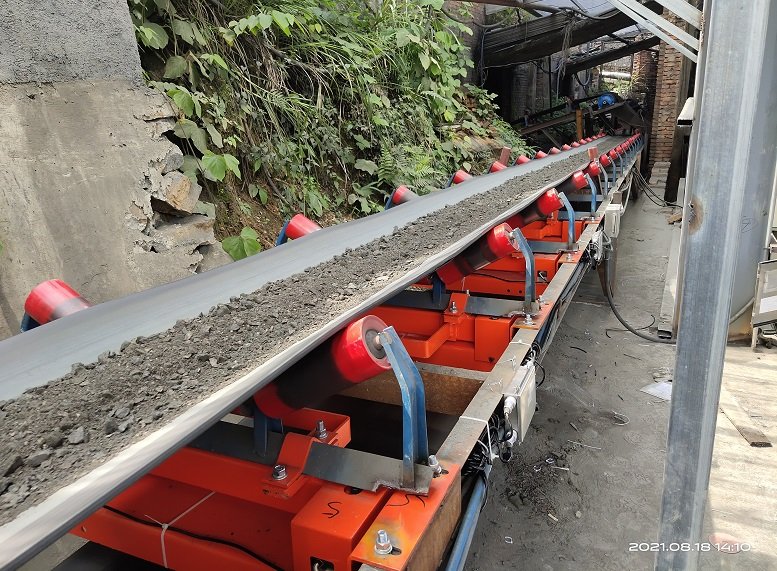
Firstly, based on the adaptability selection of mining conditions, establish a solid foundation for equipment operation. Mines are divided into different scenarios such as underground mining, surface washing, and open-pit mining, and the differences in operating conditions directly determine equipment configuration.
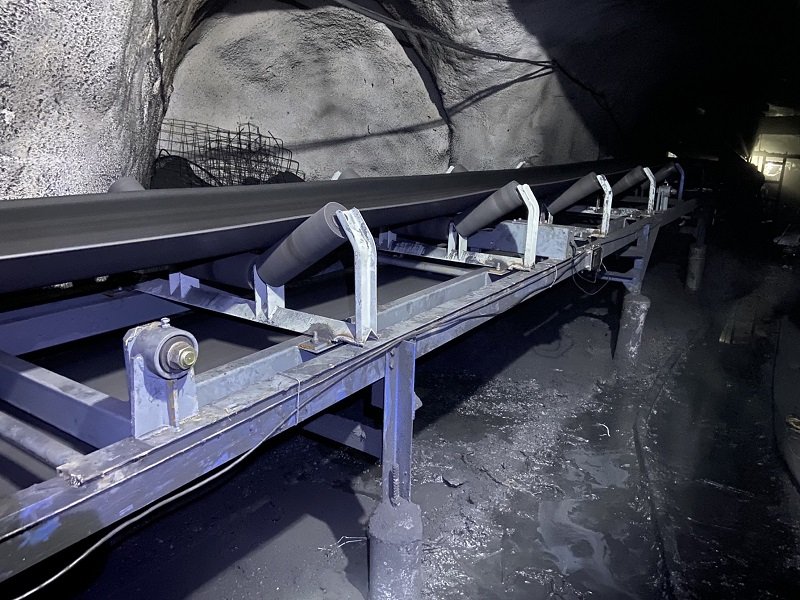
The underground environment is flammable and explosive, and explosion-proof equipment that meets mining standards must be selected. At the same time, the overall protection level of the equipment must reach IP65 or above to resist dust and moisture erosion.
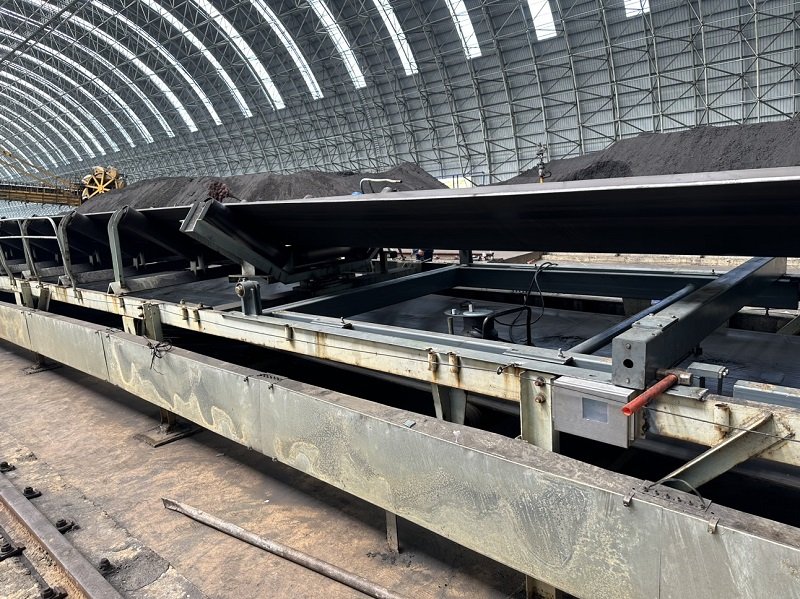
For the parameters of the belt conveyor, it is necessary to match the belt width, operating speed, and body inclination angle. The conventional selected load should reserve 1.5-2 times the margin to avoid measurement errors caused by material overload. In addition, underground equipment should have anti vibration and anti deviation capabilities, and a rigid and non deformable integral frame should be preferred to prevent accuracy drift caused by long-term deformation of thin frames.
Secondly, match the accuracy level according to the usage scenario, balancing practicality and cost-effectiveness. Many users have the misconception that "higher accuracy is better", but in fact, the accuracy requirements vary greatly in different production scenarios, and blindly upgrading will increase procurement costs. Equipment used for coal mine trade settlement and external purchase and sales measurement, with the highest precision requirements.
High precision models of 0.2 and 0.25 levels should be selected to ensure accurate and compliant transaction data; For scenarios such as workshop production statistics, internal production control, and material ratio, equipment with a precision of 0.5 level is sufficient to meet the requirements; And auxiliary processes such as raw coal pretreatment and coarse conveying are fully compatible with 1.0 level equipment, resulting in higher cost-effectiveness.
At the same time, it is necessary to confirm that the equipment has temperature compensation function and is suitable for the environment with large temperature differences between winter and summer in mines, to avoid the impact of sensor zero drift on measurement stability.
Furthermore, verify the core configuration and hardware quality to avoid purchasing pitfalls. Sensors and speed measuring devices are the core components of belt scales, which directly determine the service life and measurement stability of the equipment. Under harsh working conditions in mines, sealed explosion-proof sensors are preferred for their stronger dust, moisture, and anti-interference capabilities; The speed measuring device should have a uniform speed, accurately reflect the belt speed, and be suitable for long-term continuous operation needs.
At the same time, it is necessary to avoid common pitfalls in the industry and refuse to cut corners on lightweight racks. Trade settlement equipment must support chain code and physical load calibration, and relying solely on hanging code calibration cannot guarantee long-term measurement accuracy. The integrator needs to have data storage, report generation, and abnormal alarm functions to meet the traceability needs of mining production data.
Fourthly, strictly adhere to the bottom line of qualification compliance and ensure that safety production meets standards. Mining equipment belongs to special industrial and mining equipment, and complete qualifications are a prerequisite for production and use, as well as a core verification item for mine safety inspection.
For products applied in scenarios such as underground coal mines and coal washing plants, it is necessary to verify the manufacturer's coal safety certification, explosion-proof certification, and other qualifications when purchasing. Equipment without formal qualifications not only fails to pass safety inspections, but also bears full responsibility for any safety accidents caused by malfunctions.
At the same time, priority can be given to manufacturers with patented technology and self-developed production systems, which ensures better equipment quality control and stronger universality of accessories.
Finally, considering after-sales and comprehensive usage costs, reduce long-term operation and maintenance pressure. Mining belt scales often operate continuously for 24 hours, and equipment failure and shutdown will directly affect the efficiency of the entire production line.
When making a purchase, users should not only compare the purchase price, but also focus on the manufacturer's after-sales service capabilities. Priority should be given to selecting suppliers with nationwide service outlets, support for 7 × 24-hour rapid response, and regular on-site inspections. Simultaneously focusing on the modular design of equipment, modular equipment disassembly, maintenance, and replacement of accessories are more convenient, which can significantly shorten downtime for maintenance and reduce later operation and maintenance costs.
In summary, the core logic for selecting mining electronic belt scales is "on-demand matching and scene adaptation". Only by making rational trade-offs and choices in terms of accuracy, explosion-proof, core components, supplier services, and comprehensive costs based on one's own working conditions and measurement purposes, can one truly buy a usable and well functioning equipment.