With the increasing emphasis on environmental protection and energy conservation in society, biomass as a new clean energy combustion raw material has been widely used in industries such as power plants and power generation. Meanwhile, the double helix feeder plays an important role in the biomass operation process. Double helix feeder, as a common conveying and weighing equipment, is commonly used in the production and processing of biomass pellet fuel.
The application of double helix feeders in biomass operations includes two aspects: one is the production process of biomass, and the other is the operation process using biomass (such as thermal power plants) as raw materials. In the production process of biomass energy, the double helix feeder is mainly used to transport raw materials from storage areas or collection points to subsequent processing equipment or combustion systems, and to complete weighing and feeding during the transportation process.
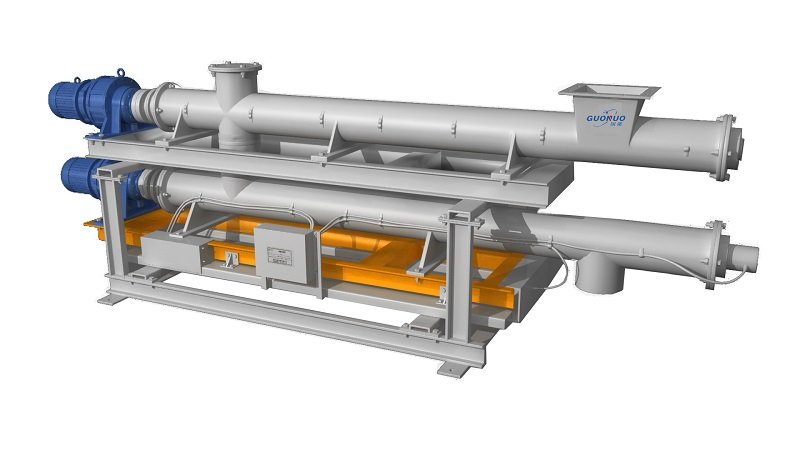
The double helix feeder plays an important role in biomass operations:
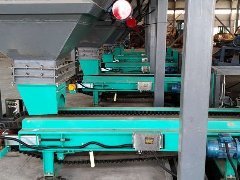
1. Stable conveying of raw materials: The double helix feeder can transport biomass raw materials from the stacking area or storage warehouse to the crushing equipment or feeding system. Through the rotation of the double helix, the upper helical tube completes the stable flow of biomass particles, allowing them to evenly and continuously fall into the lower helical tube. The lower helical tube can stably transport and weigh the biomass particles, ensuring that the raw materials are evenly and stably fed into downstream equipment and ensuring the smooth progress of the production process.
2. Storage and mixing: For biomass processing projects that require mixing different raw materials, multiple double helix feeders can be used to mix multiple raw materials in a certain proportion and transport the mixed raw materials to a granulator or compressor for further processing of biomass pellet fuel or other products.
3. Adjusting supply: The double helix feeder has the characteristics of adjustable conveying speed and feeding amount, which can be flexibly adjusted according to the needs of the production process. By controlling the speed of the double helix feeder and integrating PLC automation control, the supply of raw materials can be controlled to adapt to biomass operations of different scales and requirements.
4. Slag discharge and cleaning: In some biomass combustion or preparation processes, such as boiler combustion systems, double screw feeders are used to remove waste, ash, or other impurities. Using a double helix feeder to reduce blockages and malfunctions, ensuring the normal operation of the equipment.
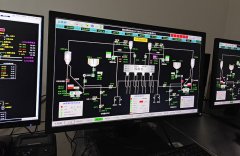
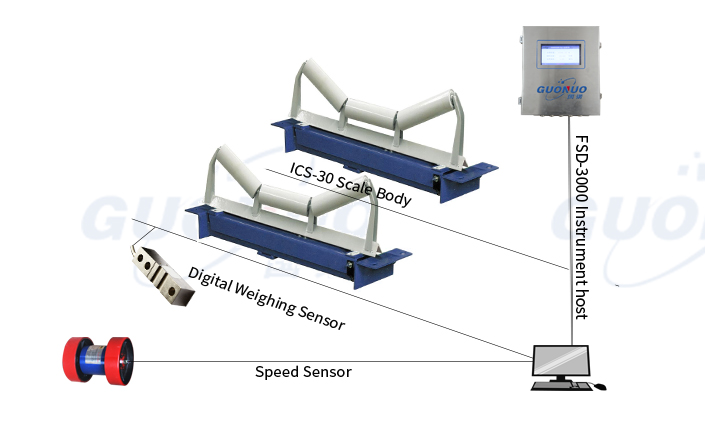
5. Improving management level: The double helix feeder integrates information technology and computer management technology to provide data support for biomass operation process management. Through the configured upper computer system, it can remotely view the real-time situation of the operation site and equipment operation.
The double helix feeder, as an efficient and reliable conveying equipment, plays an important role in biomass operations. It improves production efficiency, reduces labor intensity, and promotes the sustainable use of biomass energy. With the widespread application and development of biomass energy, the demand for double helix feeders will continue to grow, which also drives technological innovation and further improvement of the equipment.