In modern industrial production, automatic accurate metering and continuous high-efficiency material conveying are critical to smooth production processes and stable product quality.
As core bulk material processing equipment, belt weigh feeders play an indispensable role in production lines of building materials, coal, chemical, metallurgy and other industries. Serving as the core control component of the feeder, the control cabinet directly determines the operational efficiency, maneuverability and safety of the whole system.
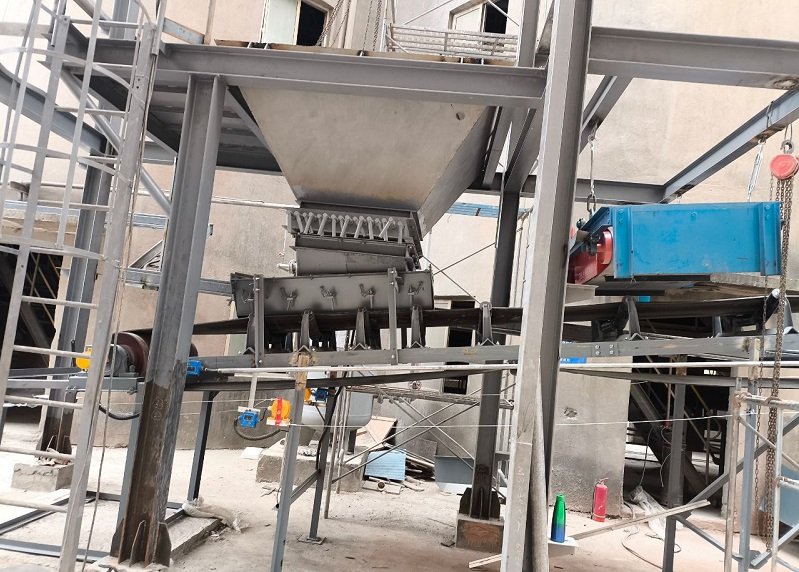
A belt weigh feeder is a dynamic metering and control device designed for continuous weighing, batch feeding and batching of materials, capable of precise measurement and transportation of bulk, granular and powdery materials.
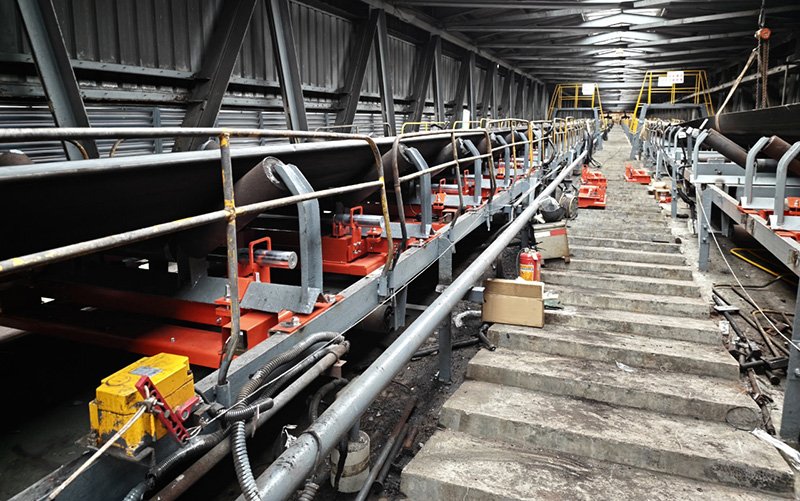
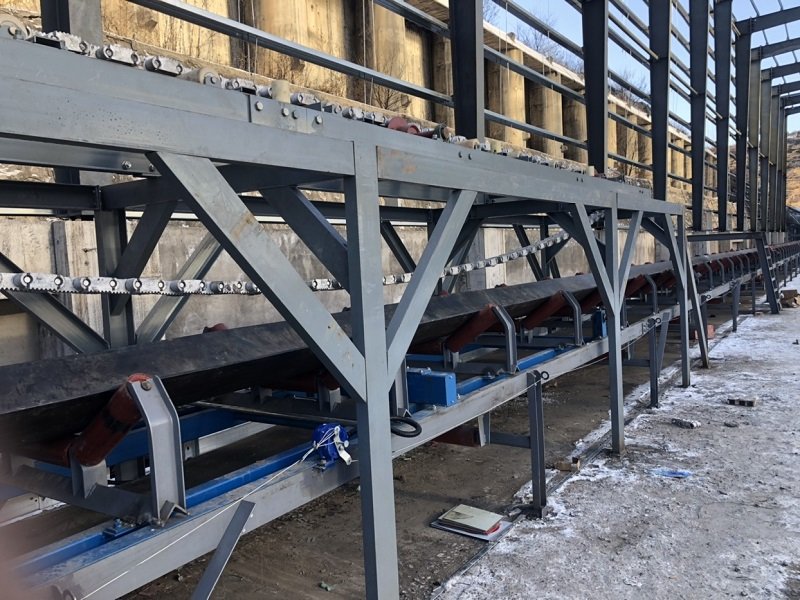
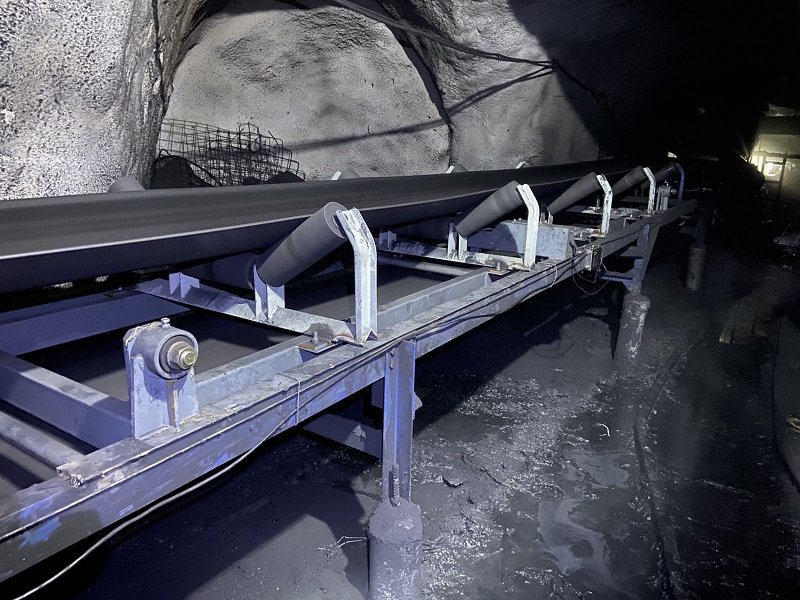
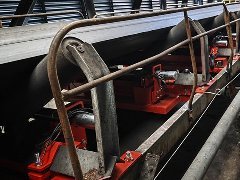
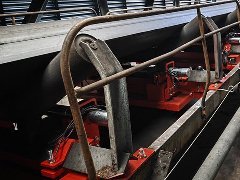
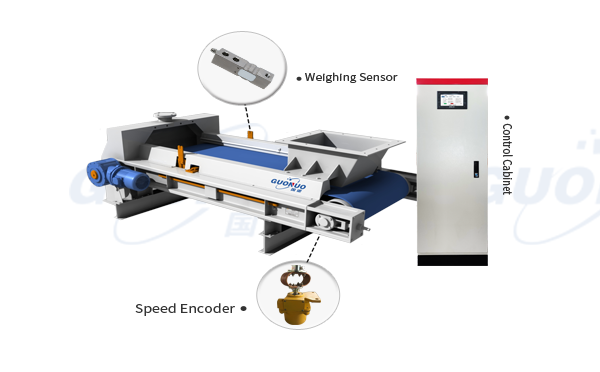
The system mainly consists of load cells, feeding mechanisms, belt conveyors and control cabinets. Load cells monitor real-time material weight; feeding mechanisms evenly discharge materials from silos to downstream equipment; belt conveyors realize continuous material transfer.
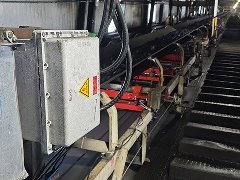
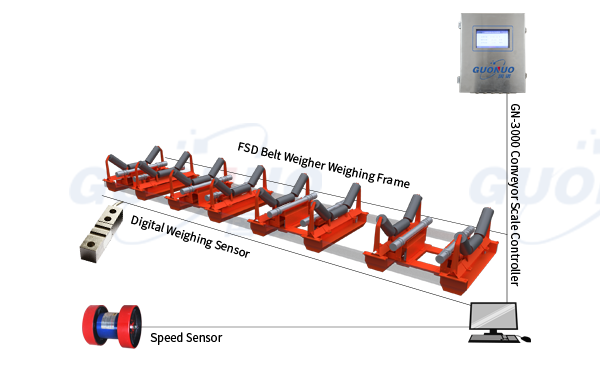
Equipped with PLCs, display screens and alarm units inside, the control cabinet acts as the "brain" of the entire feeder system. It receives signals from load cells and speed sensors, then adjusts the feeder belt according to processed data and preset control algorithms to achieve precise material flow regulation.
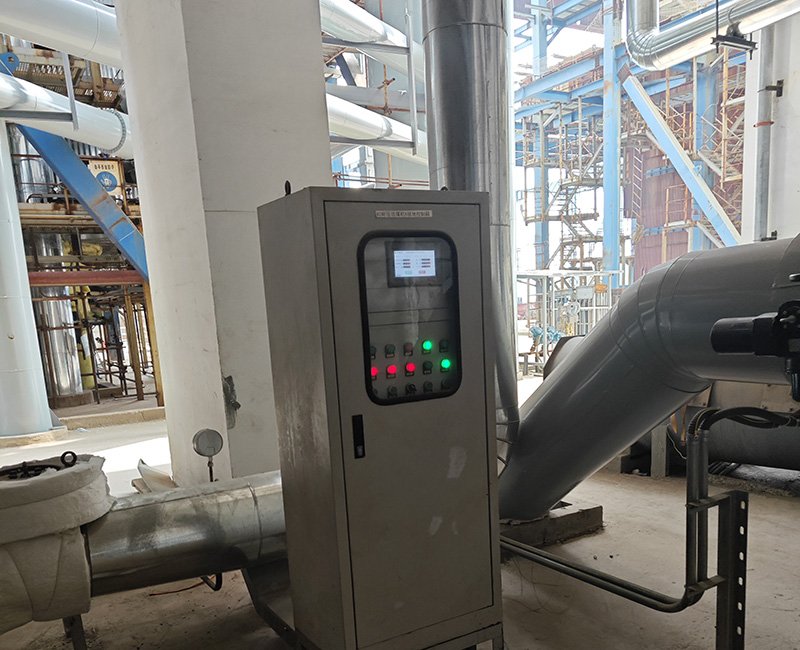
Core Functions of Belt Weigh Feeder Control Cabinets
1.Metering and Flow Control
Built-in control instruments acquire signals from load cells and speed sensors to calculate real-time material weight and instantaneous flow on the belt. The cabinet compares measured flow against preset values and modulates inverter output to change the rotating speed of the belt driving motor, realizing accurate feeding volume regulation.
2.Automatic Batching and Regulation
The control system automatically adjusts feeding rates per preset formulas to keep batching errors within qualified limits. Under automatic mode, the cabinet accepts external commands from upper computers to flexibly modify feed volume for diversified production requirements.
3.Communication and System Integration
Fitted with RS485, RS232 and other communication ports, the cabinet supports data exchange and remote control between feeders and upper monitoring systems, enabling seamless integration into large-scale factory automation platforms for optimized production management.
4.Operation Monitoring and Equipment Protection
Multiple protection modules such as belt deviation detection and abnormal speed alarm guarantee safe equipment operation. Real-time data including belt speed, instantaneous flow and accumulated output are displayed onsite for operators to monitor and adjust operating conditions conveniently.
5.Fault Diagnosis and Alarm Notification
The self-diagnosis module automatically detects equipment malfunctions and feeds back fault information to onsite staff for prompt troubleshooting. In case of belt breakage, equipment overheating or other abnormalities, audible and visual alarms will be triggered to accelerate emergency disposal.
Key Application Advantages
1. High Intelligence: Adopts PLC control with embedded intelligent algorithms to deliver automatic operation for easy handling and high production efficiency.
2. Outstanding Stability & Reliability: Built-in self-inspection and status monitoring functions effectively improve overall system operational stability.
3. Easy Maintenance: Pre-alarm system locates fault causes and provides reference solutions to simplify routine maintenance work.
4. Centralized Management: Multiple control instruments can be installed integrally in one cabinet, facilitating centralized supervision of multiple feeders and lifting management efficiency.
Conclusion
As the core control unit of belt weigh feeders, the control cabinet features high automation, superior intelligence, stable performance and convenient maintenance. It brings remarkable economic benefits to various industrial sectors and enables precise weighing and quantitative feeding on automated production lines.