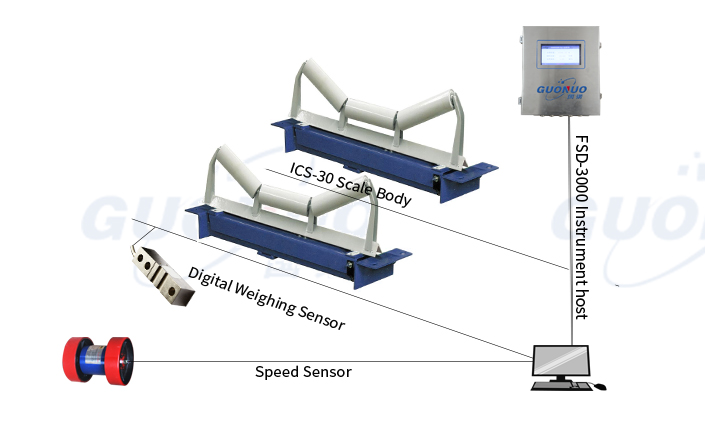
Belt scale, as a widely used dynamic measuring device, plays an irreplaceable role in production measurement control, cost accounting, and trade settlement in industries such as mining, coal, cement, power plants, and sand making. With the development and progress of the industry, enterprises are increasingly demanding refined management and higher precision requirements for production measurement.
The measurement accuracy and long-term operational stability of traditional belt scales are poor, and the level of informatization is low, which can no longer meet the needs of production site operations and production management. The industry urgently needs high-precision belt scales that can break through the current constraints.
Starting from the practical application needs of the industry, Guonuo Technology has made significant breakthroughs in the structural design, experience, calibration, anti-interference performance, and stability and reliability of belt scales, relying on rich experience and cases in industrial bulk dynamic weighing, as well as advanced dynamic weighing, sensors, and information technology. It has successfully developed high-precision matrix belt scales.
The high-precision matrix belt scale achieves high precision, minimal maintenance, good long-term stability, automatic code hanging verification, intelligent monitoring and analysis, online zero adjustment and other functions.
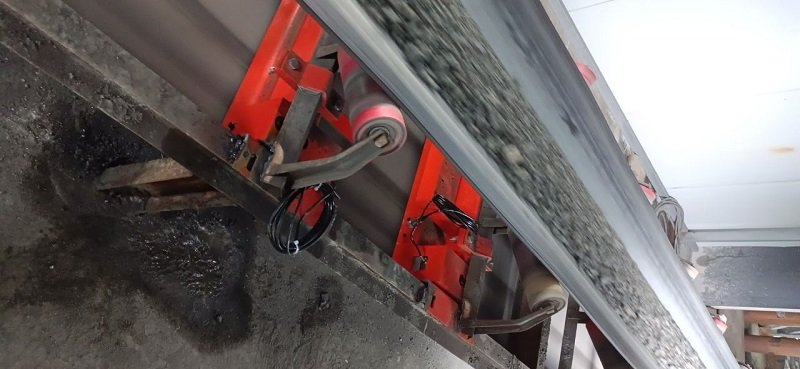
The functions and characteristics of high-precision matrix belt scales are as follows:
1. Multi group weighing unit combination structure, extending the effective weighing area
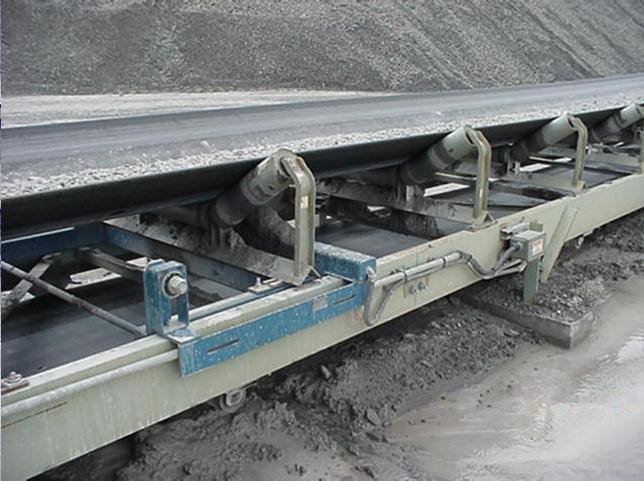
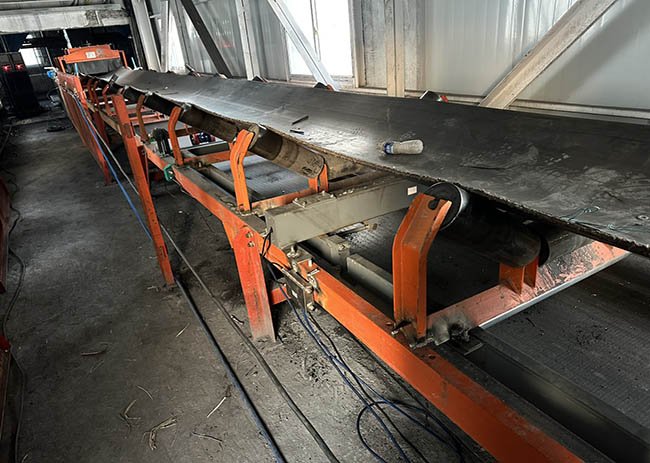
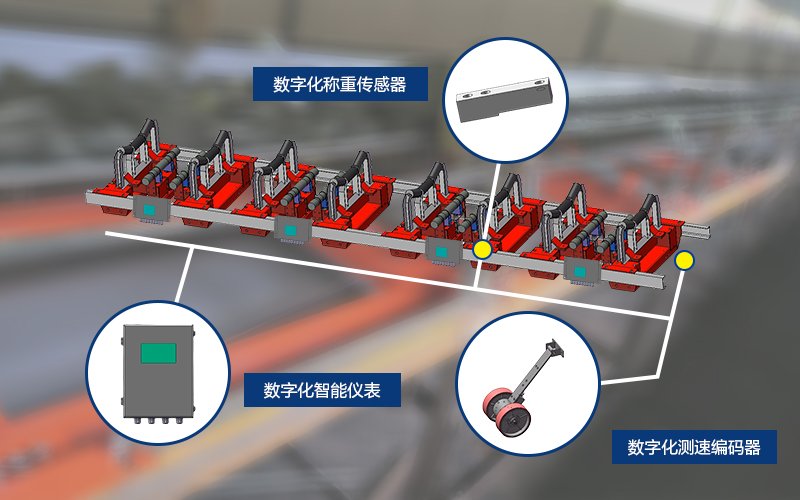
The high-precision matrix belt scale adopts a combination of weighing units. Each weighing unit consists of two sets of weighing rollers and four high-precision weighing sensors, all of which adopt a fully suspended structure.
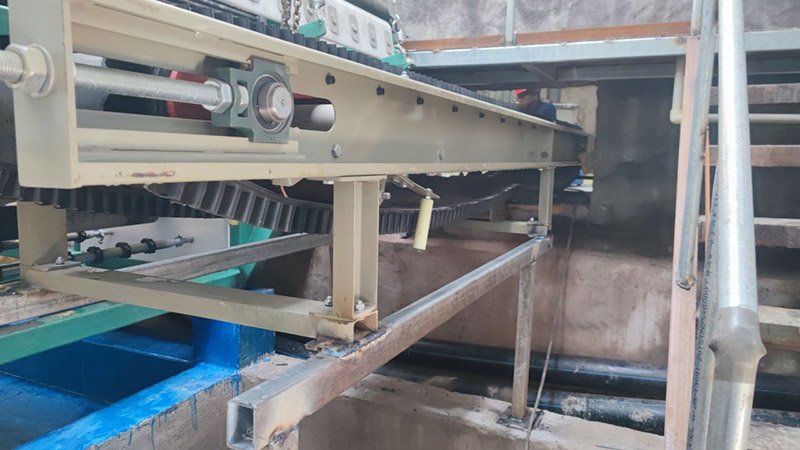
The structure is simple, without crossbeams, and the installation and maintenance are simple, fast, time-saving, labor-saving, and easy to transport. The more weighing unit modules are configured, the longer the combined weighing area, and the longer the effective measuring section, making material measurement more accurate and stable, and avoiding accidental errors.
The matrix belt scale has smaller requirements for conveyors and working environments, and can be suitable for conveyors with different bandwidths, inclination angles, and harsh industrial environments, especially in places with high precision requirements for production control and trade settlement measurement.
2. Automatic online verification and automatic zeroing technology
The physical verification operation of the belt scale is difficult and requires shutdown calibration, which affects efficiency. The high-precision matrix belt scale is equipped with intelligent instruments and has online calibration function.
During the conveying process, the belt scale compares and calibrates several sets of weighing unit data, corrects deviations, and ensures that the weight of materials conveyed by different units is equal. It can promptly detect faulty weighing units and issue alarms. In addition, the matrix belt scale also has an online zero adjustment function.
3. Double wheel small car heavy-duty speed measuring device, high-precision digital weighing sensor, stable and reliable
High precision heavy-duty speed sensor for two wheeled small cars, equipped with rubber rings, can ensure full contact with the belt, avoid slipping and bouncing, and is dustproof and moisture-proof, suitable for harsh industrial environments such as outdoor.
DC pulse generator has a longer service life and is stable and reliable compared to traditional speed measurement devices. The weighing sensor is equipped with a signal converter to convert analog signals into digital signals, greatly enhancing anti-interference ability and fully ensuring the accuracy of load signals and transmission.
4. Specialized intelligent high-performance instrument
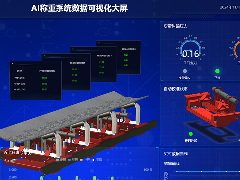
The high-precision matrix belt scale adopts advanced intelligent dynamic weighing technology, using complex data processing models and high-precision digital weighing sensors to process weighing data and display real-time belt operation and calibration status.
One click calibration, automatic zero point tracking, real-time monitoring, automatic fault judgment recording and alarm, out of tolerance removal and other functions truly achieve high-precision, self calibration, maintenance free and long-term stability of the belt scale.