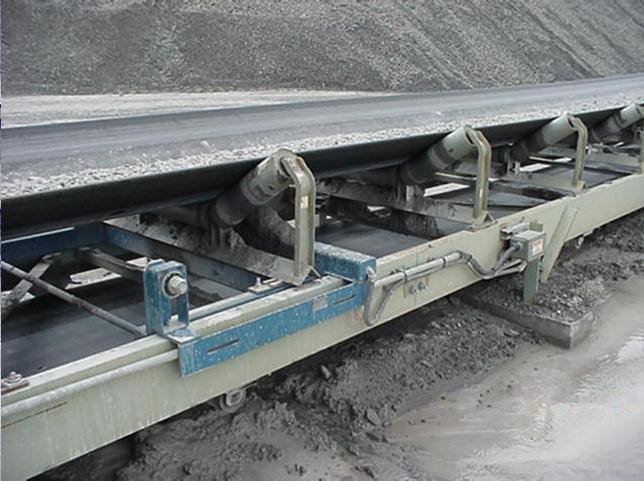
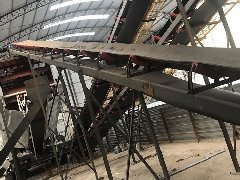
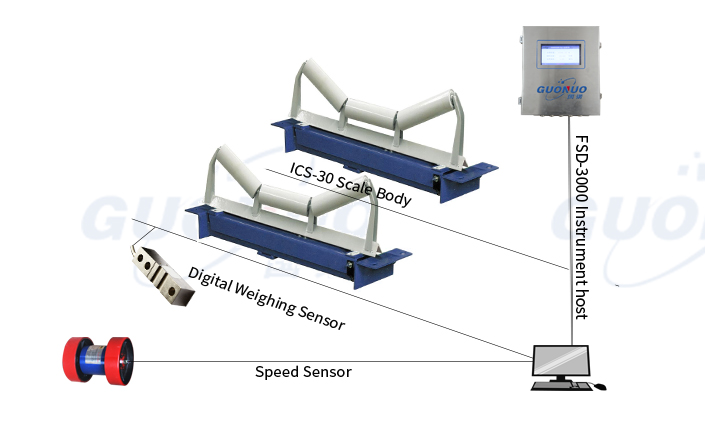
Electronic belt scales are highly sensitive dynamic measuring instruments. The accuracy and stability that can be achieved during use are not only related to their own quality and performance, but also to installation, commissioning, daily calibration, and testing. Pay attention to the details that are easily overlooked, which is of great significance for maintaining the accuracy and stability of the belt scale, as well as extending its service life.
Guonuo Technology has summarized some issues that are easily overlooked in the debugging, calibration, and daily testing of electronic belt scales, as well as correct practices, based on practical case experience and relevant knowledge materials, for reference.
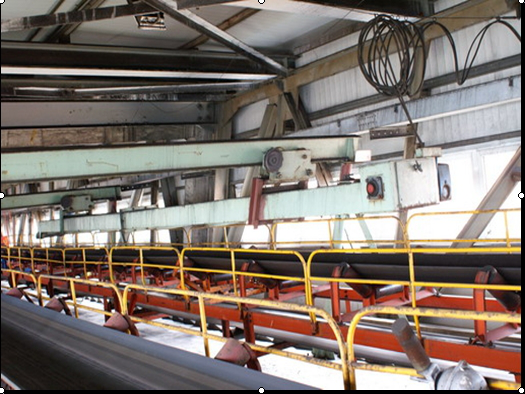
(1) Precautions for preload adjustment
When adjusting the preload, adjust the balance mechanism of the scale frame or the preloading system of the weighing sensor according to the predetermined design requirements, so that the preloading on the weighing sensor meets the design requirements, and then zero it electrically.
For belt scales composed of two or more weighing sensors, the preload adjustment should be made to ensure that the preload of each sensor meets the design requirements in static state, and is basically equal, while maintaining consistency in dynamic and static states.
To meet the above requirements, when selecting weighing sensors, it is advisable to make the characteristic parameters of each sensor as consistent as possible, which is beneficial for achieving preload adjustment. Some can use special compensation circuits to ensure that each weighing sensor outputs the same potential under the same pressure.
(2) Pay attention to the selection of materials during calibration
The calibration methods commonly used for belt scales are chain code verification or physical verification, with physical verification being the most accurate method. The advantages of physical verification mainly include: obtaining traceable accuracy of the belt scale; Can experiment with the entire system, including the electronic components, scale frame, and conveyor's impact.
The materials used for physical verification should be the materials expected to be weighed by the belt scale or the materials actually weighed by the belt scale. At this time, the material is a medium for traceable value transmission, and it is considered as a standard instrument with high requirements.
For example, the material used in a thermal power plant is coal, which is affected by its characteristics. If the moisture content is too high, it will cause the weight of the belt to change, resulting in a high degree of adhesion.
Many materials will stick to the surface of the belt, and repeated measurements will affect the calibration results. Therefore, during school, the moisture and cohesion of coal should not be too high.
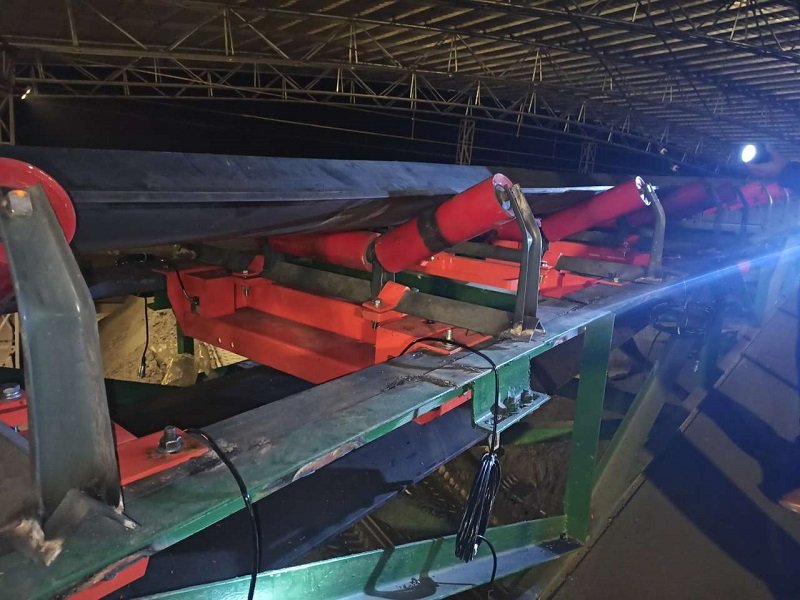
(3) Do not make arbitrary error adjustments during the daily inspection of the belt scale
Electronic belt scales should undergo daily inspections, and many people will immediately adjust them if they are found to be out of tolerance during the inspection. In fact, if there is an out of tolerance during the inspection, do not adjust it immediately. First, carefully and comprehensively analyze the cause.
There are multiple factors that can cause the belt scale to exceed its tolerance.
Firstly, external interference should be eliminated, such as the belt scale frame getting stuck or the deterioration of the belt conveyor's operating status;
Secondly, the experimental methods, experimental equipment, and intermediate links, especially the use of simulated load devices, should be checked to eliminate their own factors, and finally the internal quality issues of the belt scale should be considered.
In short, if problems are found during the debugging, calibration, and testing of electronic belt scales, a comprehensive analysis should be conducted from the details to grasp some points of attention, which will help to better maintain the belt scales.