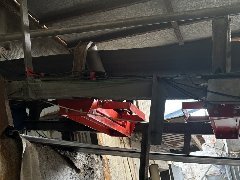
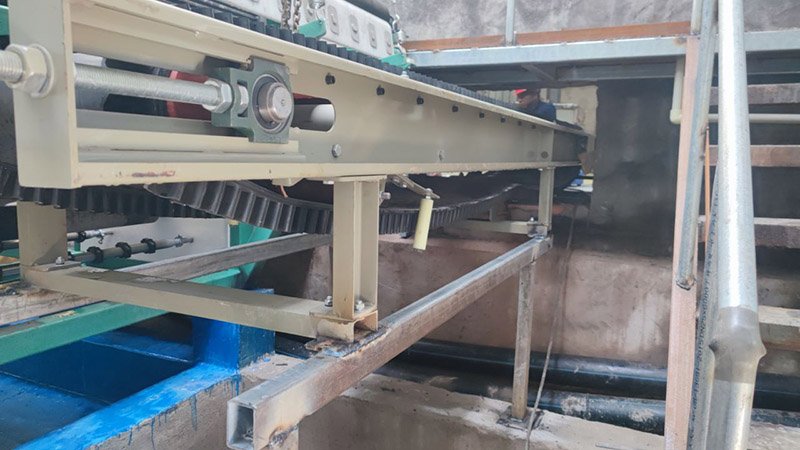
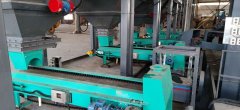
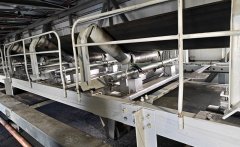
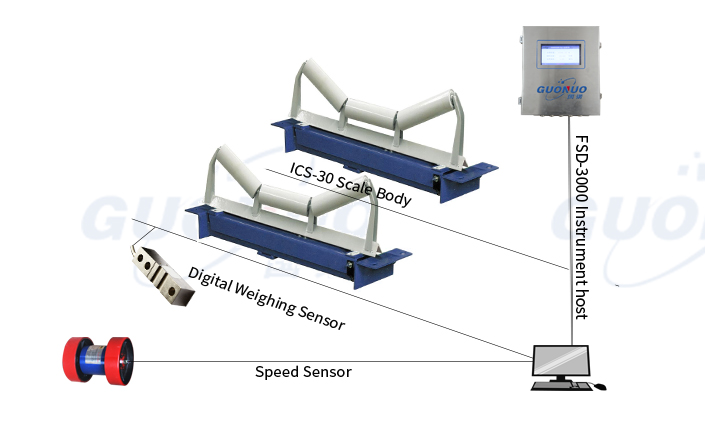
Belt type quantitative weighing feeder is a comprehensive production equipment that integrates automatic conveying, dynamic weighing, and automatic control. It is usually used to control and adjust the material flow in the production process, achieving the purpose of quantitative control feeding. It has high accuracy, strong adaptability, high reliability, and low maintenance, and is suitable for industrial production sites in various industries. In metallurgical production operations, it has important applications that are related to the efficiency and quality of the entire metallurgical process.
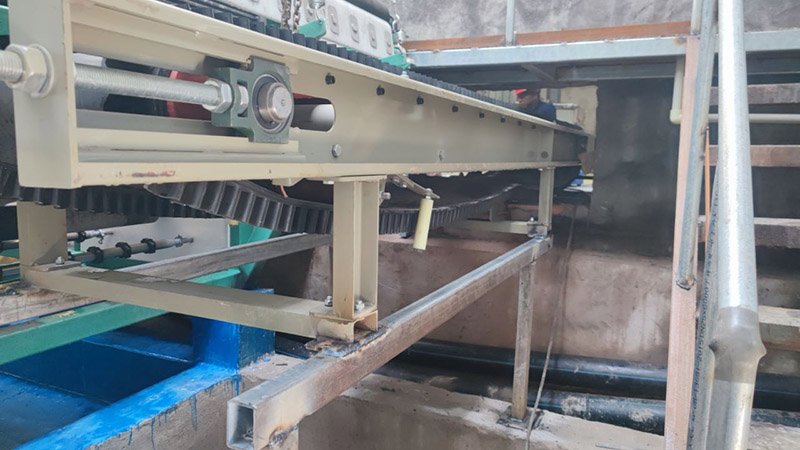
In metallurgical production activities, the application role of belt type quantitative weighing feeders is mainly reflected in the following aspects:
1. Flow control: Through belt feeders, metallurgical enterprises can accurately control the material flow rate, ensuring that the feeding ratio in the production process meets the process requirements, reducing errors in actual ratios and formulas, and improving and maintaining production quality.
2. Reduce losses: Due to the high-precision weighing and measuring capability of the belt feeder, and its ability to operate stably for a long time, it can effectively reduce waste losses and help enterprises significantly reduce material costs in production.
3. Time saving and labor-saving: The belt feeder realizes the automation of metallurgical production batching operations, reducing labor costs in weighing, conveying materials, and reducing operation time.
4. Improving quality: Through high-precision weighing and precise material flow control, belt feeders can help enterprises improve the quality of their production products.
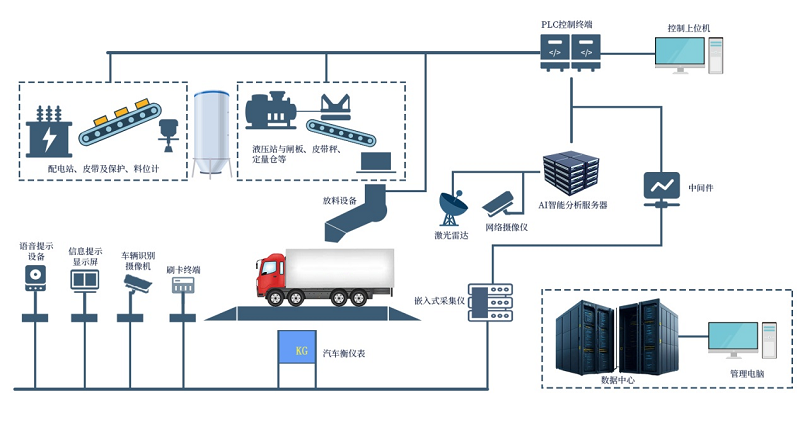
5. Optimizing processes and production: Modern belt feeders have a high degree of informatization, with network information interfaces that can upload ingredient and equipment operation data, providing real-time production data for enterprises. These data can help enterprises optimize production processes, regulate production plans, and make decisions more scientific and reasonable.
6. Improve control level: The belt feeder can be equipped with an upper computer batching system, and managers can remotely view equipment operation and batching status through the software system, without the need to go to the site to monitor the production site. In addition, production data is stored in real-time, and managers can view reports generated based on multiple conditions through upper computer software. Through data traceability of the production process, it helps enterprises analyze data and optimize and adjust production decisions.
In the process of metallurgical production, the belt type quantitative weighing feeder can automatically complete weighing measurement, control batching and other operations, greatly reducing manual intervention, avoiding errors caused by manual operation, effectively improving weighing measurement and batching efficiency and product quality, reducing cost input, and ensuring production efficiency.