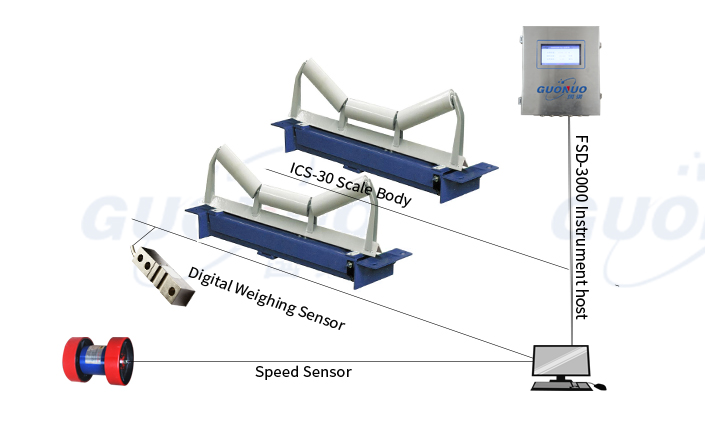
In industrial production sites, the working environment of electronic belt scales is often described as "harsh" - dusty, variable humidity, constant vibration, and fluctuating temperature. For this high-precision dynamic measurement system, environmental interference is almost ubiquitous as an "enemy". So, in the face of various challenges brought by complex working conditions, what dimensions should we start from to effectively ensure the effectiveness of electronic belt scales?
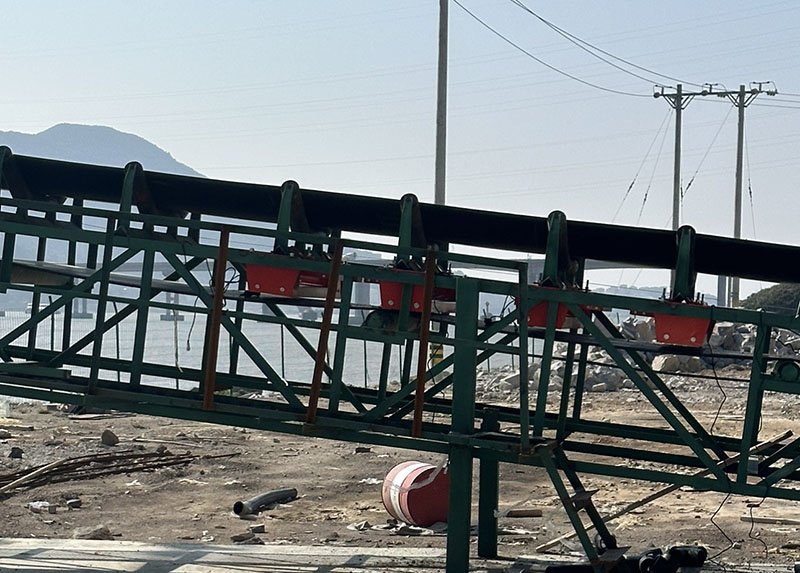
1、 The three major culprits of environmental interference
To solve a problem, one must first recognize the problem. In practical applications, the environmental factors that affect the accuracy of electronic belt scales mainly focus on the following aspects:
Dust adheres to materials. In industries such as building materials, metallurgy, and chemical engineering, dust on conveyor lines often permeates everywhere. When dust accumulates on the weighing bridge, sensor junction box, or roller surface, it can easily change the initial equilibrium position of the weighing frame, leading to zero drift; The weight affects the flexibility of the roller rotation, changes the tension distribution of the belt, and causes regular deviations in the weighing results.
Vibration and impact interference. The driving drum, motor, reducer and other equipment of the belt conveyor will continuously generate vibration during operation. If the installation position of the scale body is too close to the vibration source, the vibration wave will directly couple to the weighing sensor and superimpose with the material load signal, causing the instrument to be unable to accurately extract the true weight information. More seriously, when the vibration frequency approaches the natural frequency of the sensor or scale structure, resonance may also occur, causing the measurement data to completely lose control.
Temperature and humidity changes. The core component inside the weighing sensor, the resistance strain gauge, is sensitive to temperature changes. Environmental temperature fluctuations can cause changes in the sensitivity coefficient of sensors, known as' temperature drift '. Experimental data shows that sensors without temperature compensation may increase output error by more than 0.2% for every 10 ℃ temperature change. If the humidity is too high, it may cause condensation inside the junction box, decrease the insulation of the signal line, introduce leakage interference, and cause irregular fluctuations in instrument readings.
2、 Systematic response measures
Once the source of interference is identified, targeted measures can be taken. To ensure the effectiveness of electronic belt scales, it is necessary to work together from three aspects: equipment selection, installation and construction, and daily maintenance.
Selection process: Choose products with environmental adaptability. Priority should be given to using weighing sensors and junction boxes with a protection level of IP65 or higher, which have good dust and water resistance capabilities.
The temperature compensation range of the sensor should cover the actual temperature change range on site, and the compensation accuracy directly determines the drift amplitude during long-term operation.
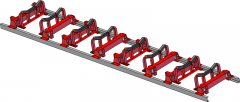
For working conditions with severe vibration, weighing instruments with anti vibration design or built-in digital filtering function can be selected to actively filter out vibration frequency components through algorithms. In addition, the selection of weighing bridge structure is equally important - a high rigidity, low deformation integral weighing frame can effectively resist vibration and external impact, and maintain long-term stability of the measuring reference plane.
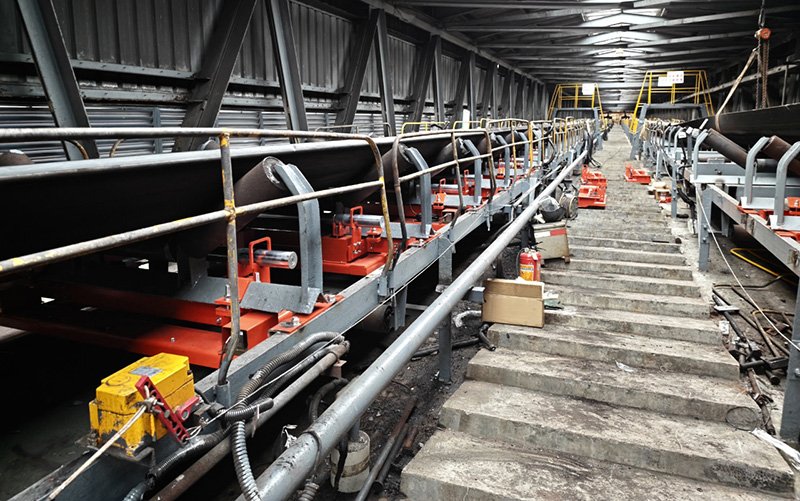
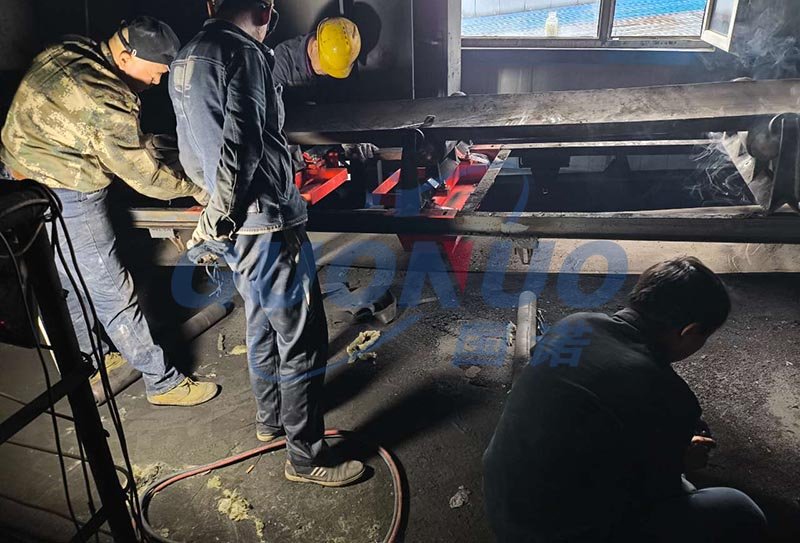
Installation and construction: Isolate the interference source outside the measurement area. The selection of installation location is the first line of defense against vibration. The scale body should be arranged as much as possible in the section where the tension change and vibration of the conveyor are the smallest, and it is generally recommended to be at least 6-8 meters away from the tail drum or head drum.
The installation foundation must be firm and reliable, and the connection with the conveyor frame should be rigid. At the same time, it is necessary to avoid setting up maintenance channels or stacking materials near the scale body to reduce human vibration interference. For sites with severe dust, junction boxes should be installed inside protective boxes, and sensor leads should be sealed to prevent dust from entering.
Daily maintenance: Establish a preventive inspection mechanism. Ensuring the effectiveness of use is not just about installing it, regular maintenance and inspection are indispensable. The daily key inspection items include: whether there is material accumulation on the scale frame that needs to be cleaned, whether the rollers rotate flexibly, whether the sensor connection bolts are loose, and whether the junction box seal is intact. It is recommended to establish equipment operation and maintenance files to record the results of each zero and range calibration, in order to track drift trends and detect potential hazards in advance.
Although environmental interference is objectively present, it is by no means insurmountable. By selecting high-quality equipment with environmental adaptability, implementing scientific and standardized installation and construction, and establishing a systematic maintenance and inspection mechanism, electronic belt scales can fully maintain ideal measurement results under complex working conditions.