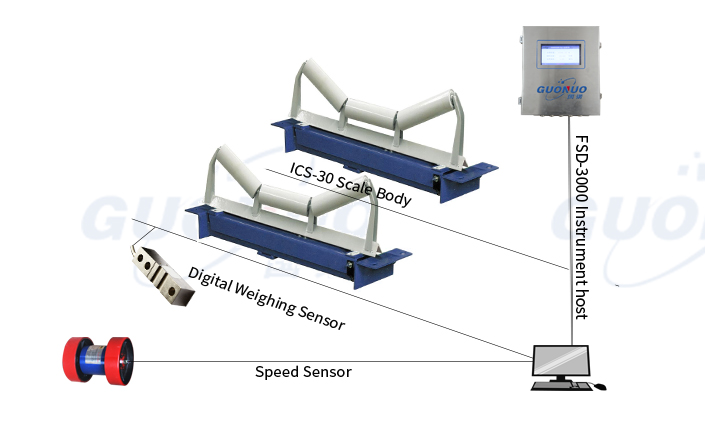
In modern industrial production, weighing and batching scales (also known as weighing-type batching systems) serve as crucial equipment for precisely controlling raw material feeding. They are widely applied in industries such as chemicals, feed, cement, and building materials.
With the development of industrial automation, weighing and batching scales not only undertake basic weighing tasks but also play important roles in production process optimization and quality control. The technical performance of these scales directly impacts production efficiency, product quality, and material cost control.
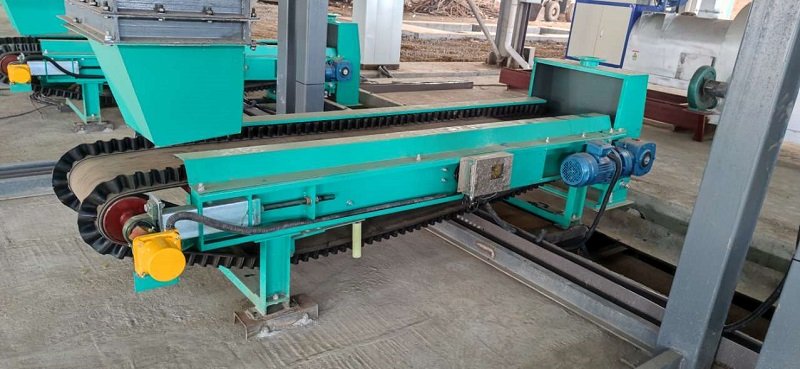
The following is an objective exposition of the main technical performance aspects of weighing and batching scales:
1. Core Aspect: Weighing Accuracy
- Static Accuracy: The accuracy level achieved during precise weighing in a state without material flow, typically expressed as a percentage of full scale (e.g., ±0.1% FS) or tolerance. High-precision applications impose stringent requirements in this regard.
- Dynamic Accuracy (Batching Accuracy): The precision achieved in reaching the target value during actual continuous material feeding processes, representing the most critical indicator for assessing the practical value of batching scales. It is influenced by multiple factors, including sensor performance, feeder control, material characteristics, and system algorithms. Under stable operation, accuracy can range from ±0.1% to ±0.5% FS.
2. Efficiency Guarantee: Weighing Speed and Response
- Sampling Rate: The frequency at which weight sensors collect weight data per second (e.g., >50Hz/500Hz). A high sampling rate enables quicker perception of weight changes, forming the hardware foundation for precise control.
- Control System Response Time: The delay time from when the system receives a weight signal to when it processes, judges, and outputs a control signal to the actuator. Quick response is key to achieving "fast, accurate, and stable" batching.
- Feeder Control Performance: The sensitivity of actuator start-stop (e.g., screw or vibratory feeders) and the stability of speed regulation directly affect feeding speed and final accuracy.
3. Stable Foundation: Structural and Environmental Adaptability
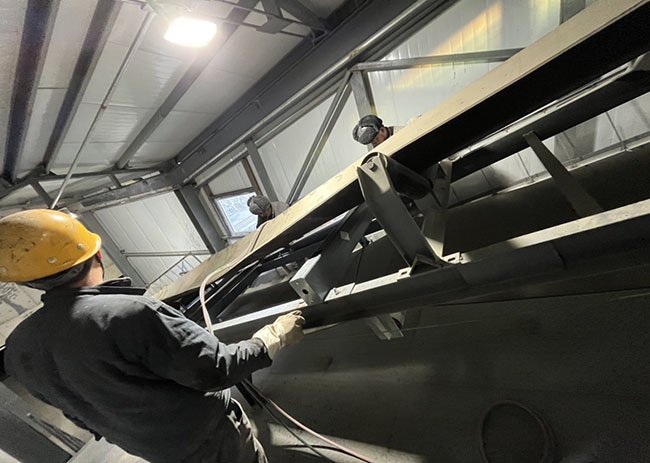
- Structural Rigidity and Anti-Interference: The scale body and load-bearing structure must possess high rigidity to effectively resist interference from vibrations, impacts, and material impacts, ensuring that sensor signals accurately reflect material weight.
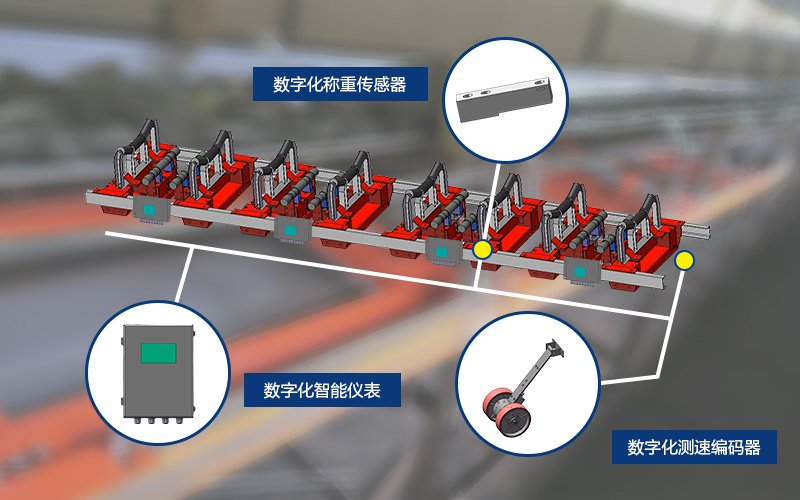
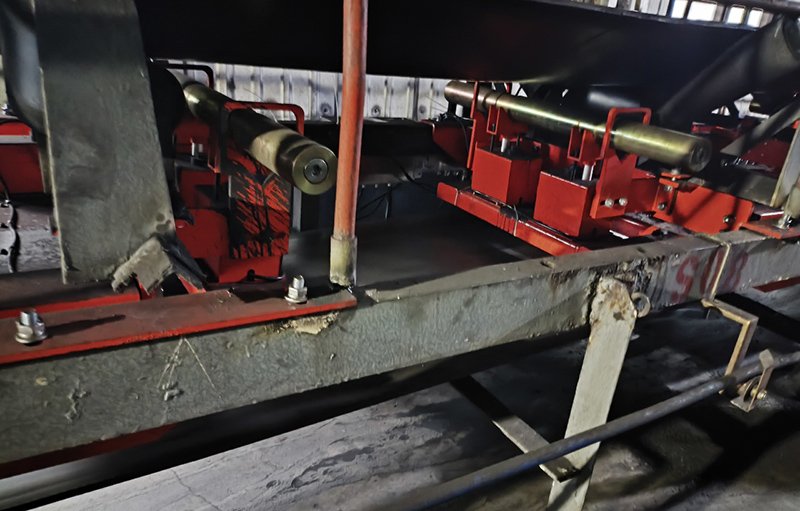
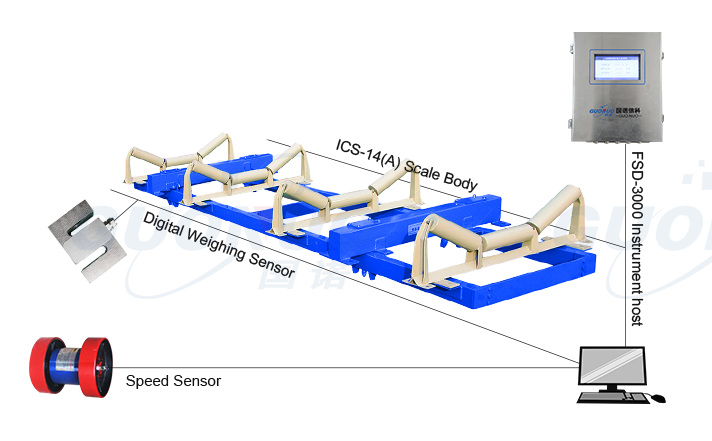
- Sensor Performance: High-precision, low-creep, and low-temperature drift weighing sensors should be selected to guarantee long-term stability and reliability under varying environmental temperatures. The protection level should meet on-site environmental requirements (e.g., dust, humidity).
- Wind/Airflow Resistance: For open silos or scenarios involving lightweight materials, scale design must consider interference from wind or airflow on weighing stability.
4. Long-Term Reliability: Stability and Repeatability
- Long-Term Stability: The range of variation in zero drift and span stability indicators after prolonged equipment operation (e.g., ±0.05% FS/year). This reflects the durability and reliability of the equipment.
- Repeatability: The consistency of results obtained from multiple weighings of the same weight under identical material and operating conditions (typically superior to static accuracy). This directly reflects the consistency of the batching process.
5. Critical Support: Control and Data Processing
- Control Algorithms: Advanced control strategies (e.g., PID adaptive, predictive control) form the software core for achieving high dynamic accuracy, enabling intelligent adjustment of feeding speed and effective suppression of overshoot and undershoot.
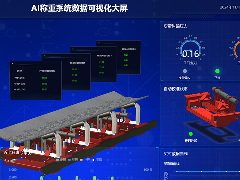
- Data Acquisition and Communication: Real-time acquisition of weight and status data, and efficient integration with upper-level systems (e.g., PLC, DCS) through standard industrial interfaces (RS485, Ethernet, CAN, etc.) for recipe management, process monitoring, and traceability.
In practical applications, it is essential to comprehensively consider factors such as material characteristics (flowability, density, viscosity, humidity), process requirements (target accuracy, batch size, cycle time), on-site environment (temperature, humidity, dust, vibration), and budget when selecting a batching scale with the appropriate technical performance combination.
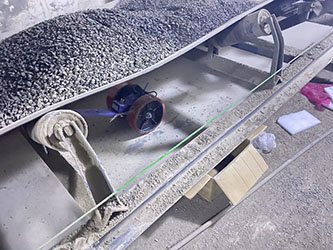
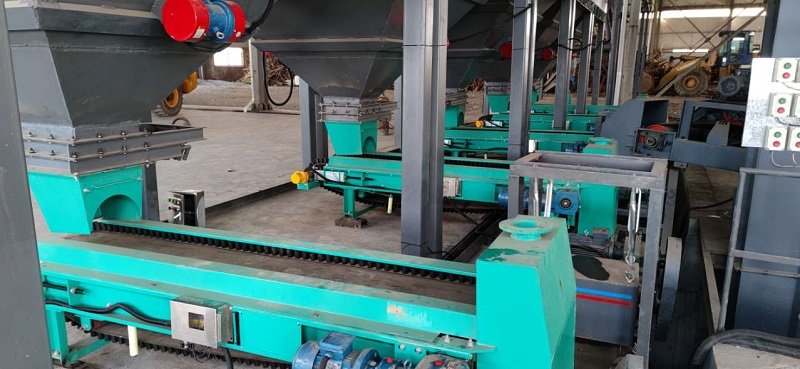
For example, belt weighing and batching scales are more suitable for blocky materials and high flow rates, while screw weighing and batching scales are more appropriate for powdery materials with high flowability, light weight, and dust generation.
The technical performance of weighing and batching scales represents a comprehensive manifestation of multi-dimensional capabilities. Precision, speed, stability, and reliability constitute their core values, with advanced control technologies and robust structural designs serving as guarantees for achieving these objectives.
Selecting the appropriate equipment requires a comprehensive evaluation of these technical performance aspects. It is particularly important to note that devices with high static accuracy may not necessarily perform optimally in dynamic batching processes—stable and reliable control systems, excellent mechanical structures, and anti-interference capabilities often have a decisive impact on actual outcomes.
Additionally, when setting accuracy targets, reasonable allowances should be made based on the flowability of the materials themselves (e.g., ease of adhesion or dust generation can increase actual errors).