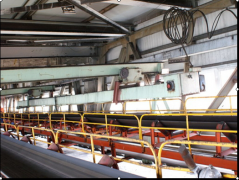
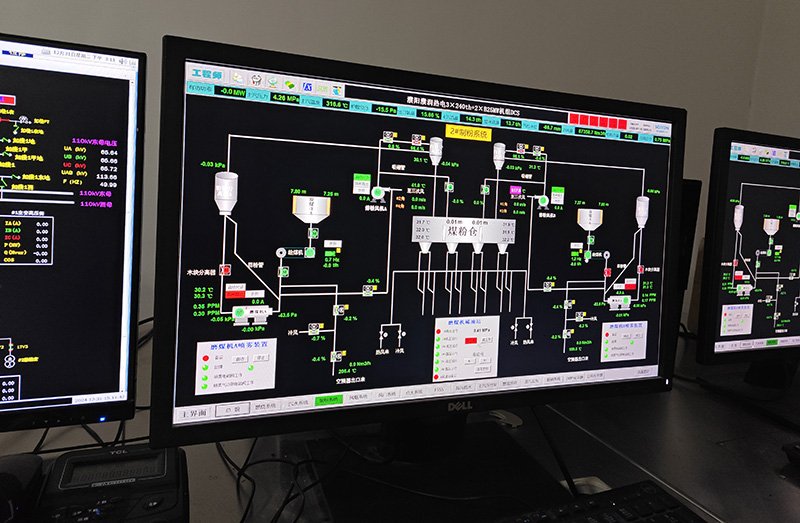
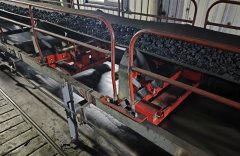
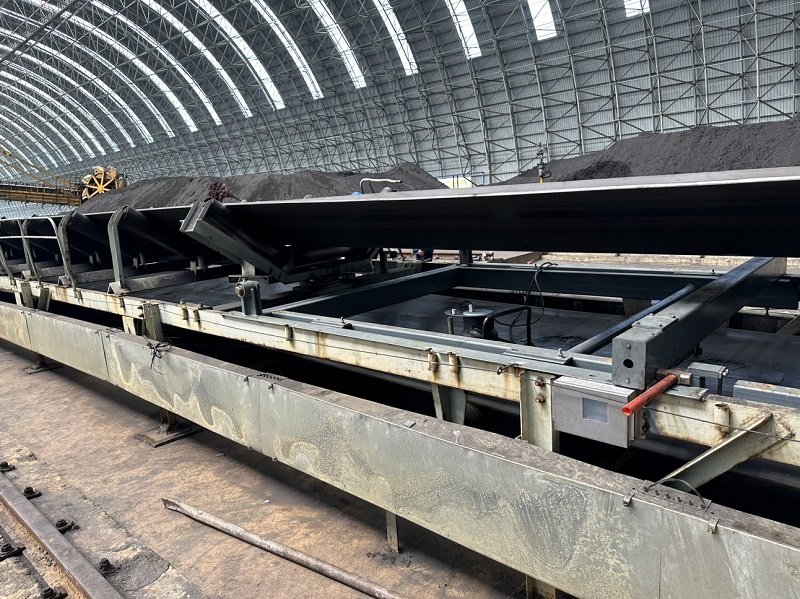
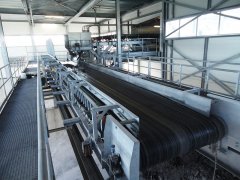
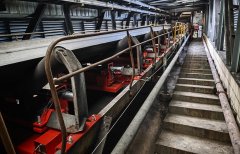
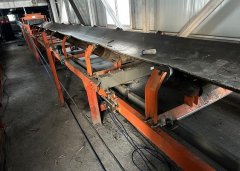
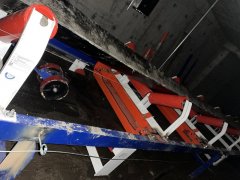
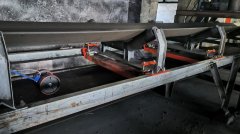
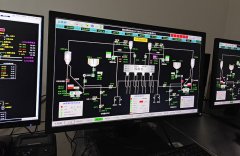
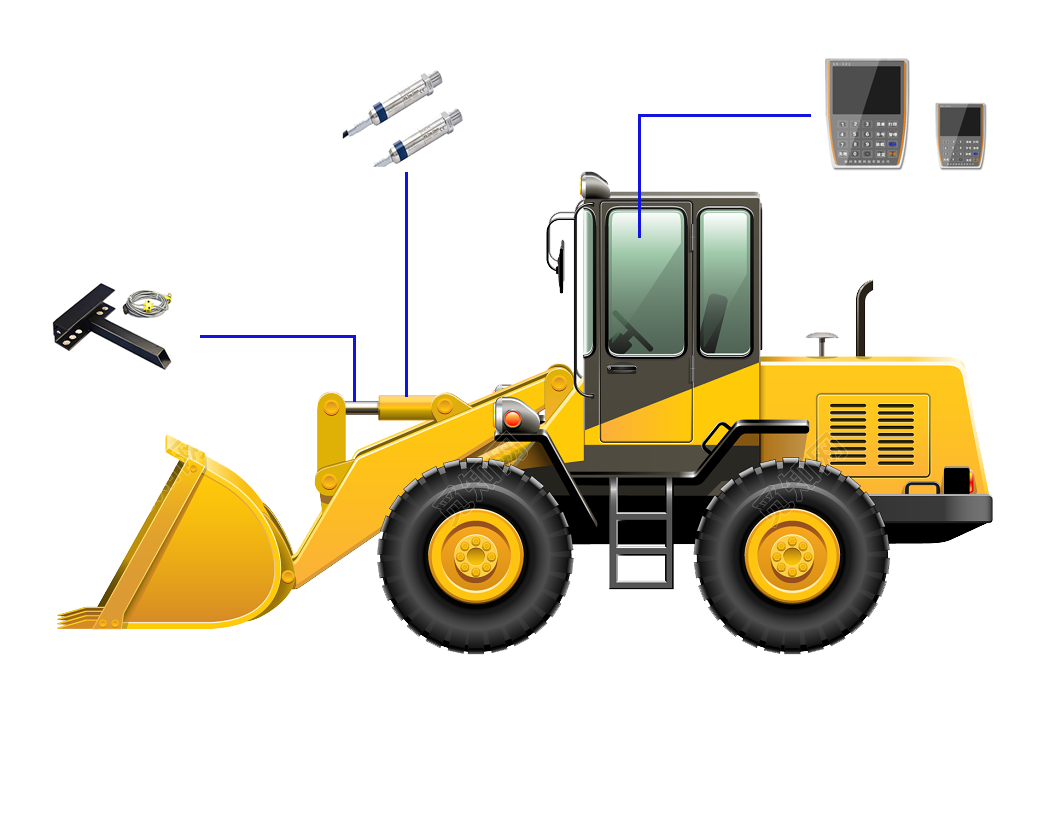
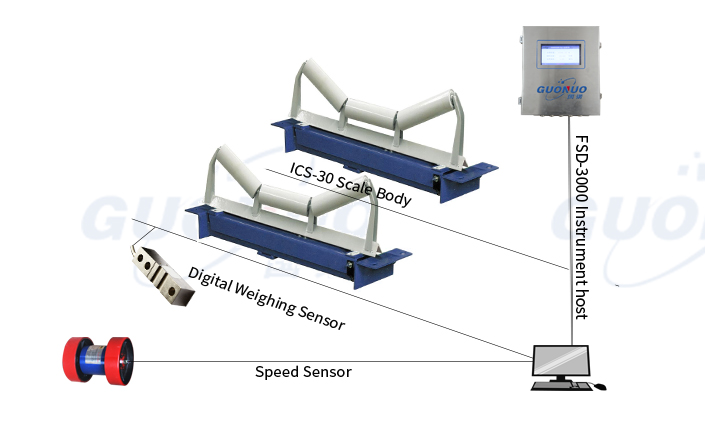
In coal mines, open-pit coal mines, and thermal power plants, there is a coal conveying system composed of belt conveyors that transport coal. The coal conveying electronic belt scale is applied to these belt conveyors to complete the weighing and measurement of coal transportation, and provide coal weight data for enterprises. These data can be used as coal production monitoring data, coal consumption calculation, etc.
Therefore, the accuracy and stability of the use of coal conveying electronic belt scales are extremely important for enterprises. To ensure their accuracy and stability, it is not only related to the technical quality, installation and commissioning of the belt scales themselves, but also to their on-site operation and ability to handle faults. To ensure the accuracy, stability, and durability of the coal conveying electronic belt scale, relevant precautions should be followed on site. At the same time, on-site personnel can master some common faults and handling methods.
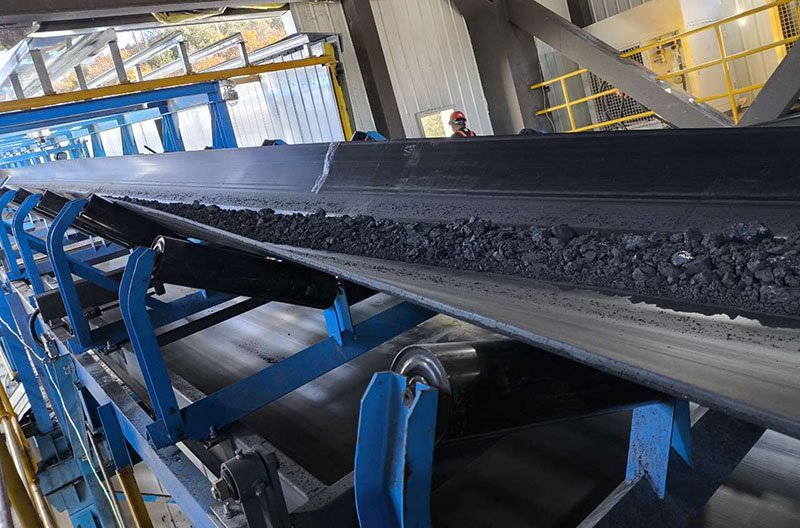
Precautions for on-site use of coal conveying electronic belt scale
To ensure the reliable operation of the coal conveying electronic belt scale, on-site personnel must ensure correct maintenance and upkeep. Specific precautions include:
(1) Relevant personnel should understand the specific working conditions on site, including changes in the site environment, temperature, power fluctuations, electromagnetic interference, belt vibration, belt deviation, tensioning devices, and other factors.
(2) Properly detect the tension of the entire belt and maintain it constant. Once the tension of the belt changes beyond the allowable range, adjustments should be made immediately. When the belt runs out of service or the belt tension changes due to replacement, it should be readjusted and the belt scale recalibrated.
(3) When the mechanical part of the belt scale is adjusted, such as loosening or moving the site, it should be dealt with quickly.
(4) Protective measures should be taken to prevent damage to weighing components such as scales, speed sensors, and weighing sensors when they are unstable, such as installing protective covers, dust covers, etc.
(5) The weighing roller should be lubricated at least once a year, and the belt scale should be recalibrated for zero point after lubrication.
(6) Under no-load and load operation, it is required that the entire weighing range of the belt must be adjusted to align with the centerline of the idler roller. When there is a bias load, the load should be adjusted. When the belt does not deviate when unloaded, and when the load deviates, it is required to calibrate the belt to at least deviate within the weighing section.
(7) During the weighing operation of the belt scale, it is strictly prohibited to exceed the range of the load, and the load rate should be ensured to operate smoothly between 20% and 80%.
(8) On site personnel should be familiar with the working conditions, understand the performance of the belt scale, and be able to independently and correctly operate, use, and calibrate the belt scale.
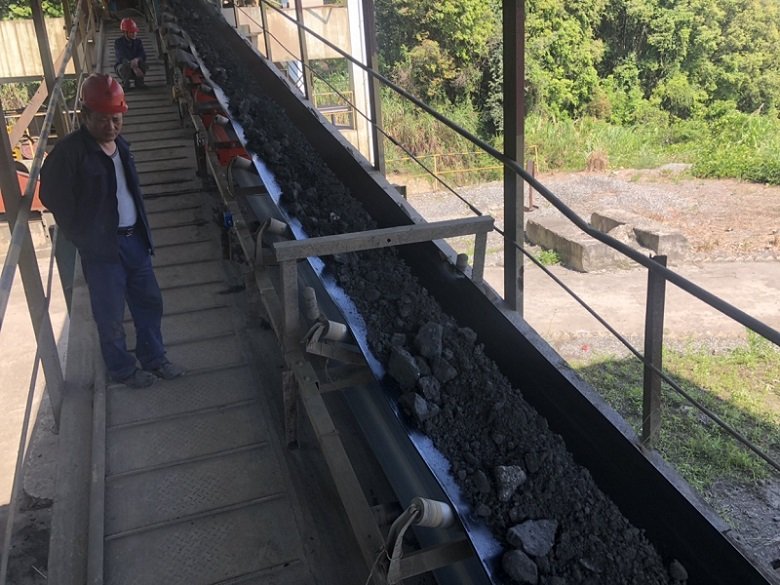
Common causes and solutions of faults in coal conveying electronic belt scales
(1) Zero point is too high
Reason: Coal dust accumulation on the conveyor belt and scale components, or changes in working conditions such as belt replacement, can cause the zero point to be higher and the measured value to be larger.
Handling: Regular cleaning, maintenance, and zeroing.
(2) The instantaneous measurement value fluctuates greatly
Reason: Belt deviation and vibration cause strong vibration of the speed sensor.
Solution: Adjust the centerline of the belt and roller to align them.
(3) Load without cumulative value
Reason: The coal ball got stuck on the speed roller, causing the speed sensor to stop rotating and resulting in no voltage output from the sensor. The measuring bridge in the weighing sensor had no power supply voltage, and there was no cumulative output from the vehicle.
Solution: Clean the coal lump, keep the scale body clean, and pay attention to daily cleaning.